
Last updated October 17, 2026
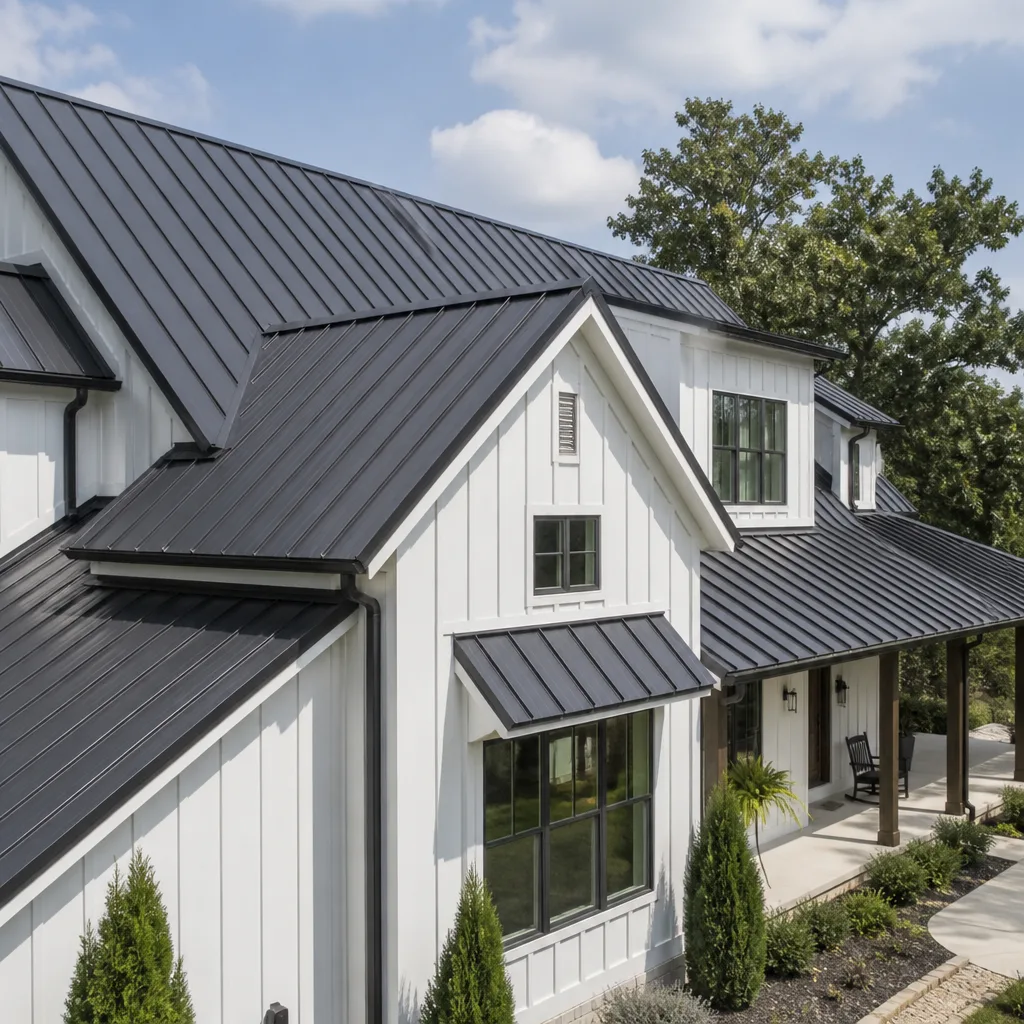 Metal roofing
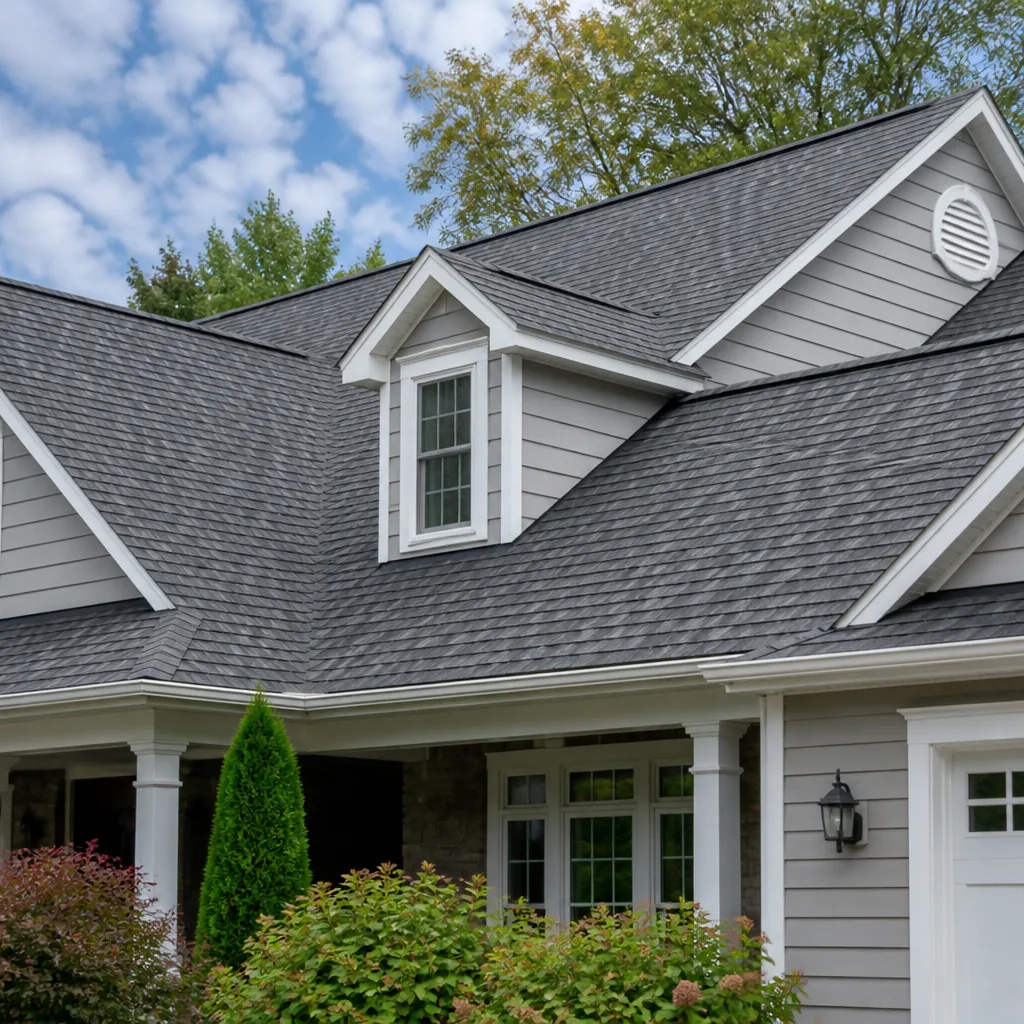 Architectural shingles
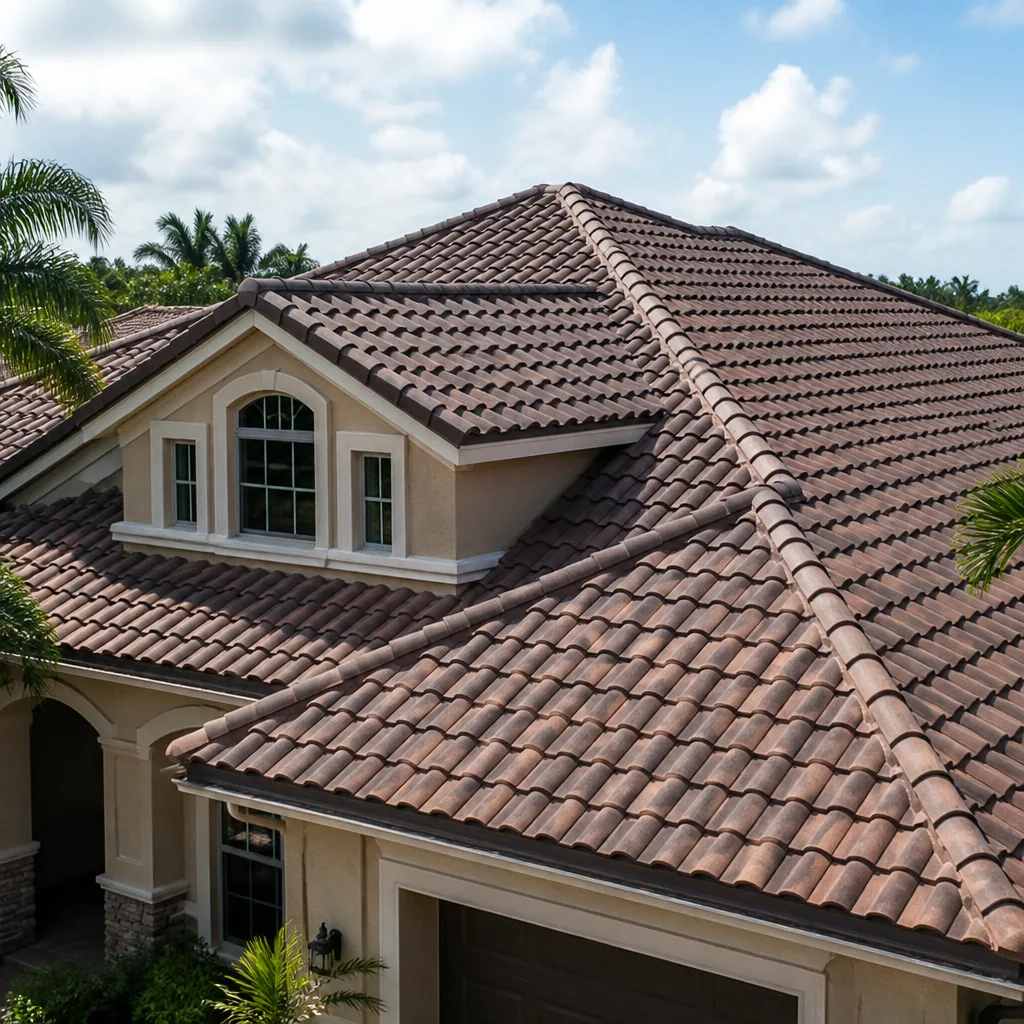 Tile roofing
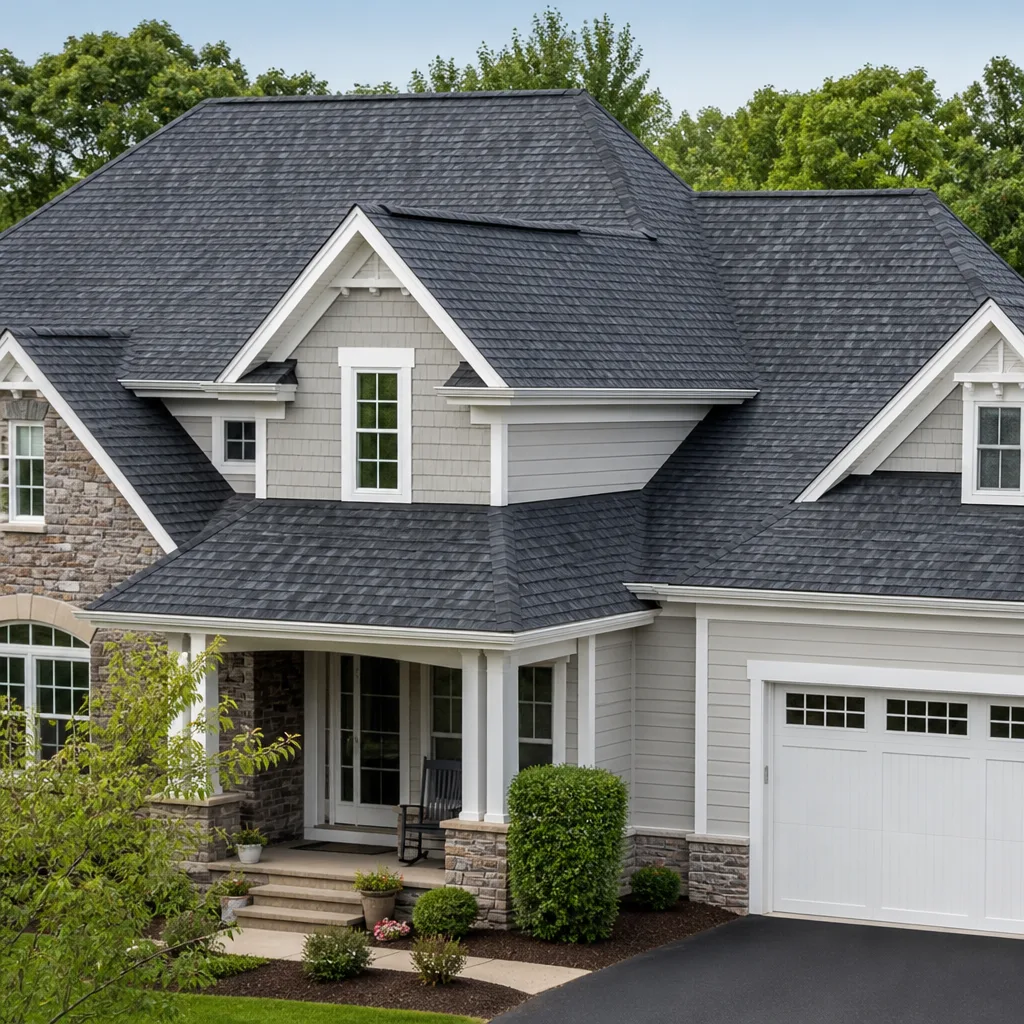 GAF
GAF Owens Corning
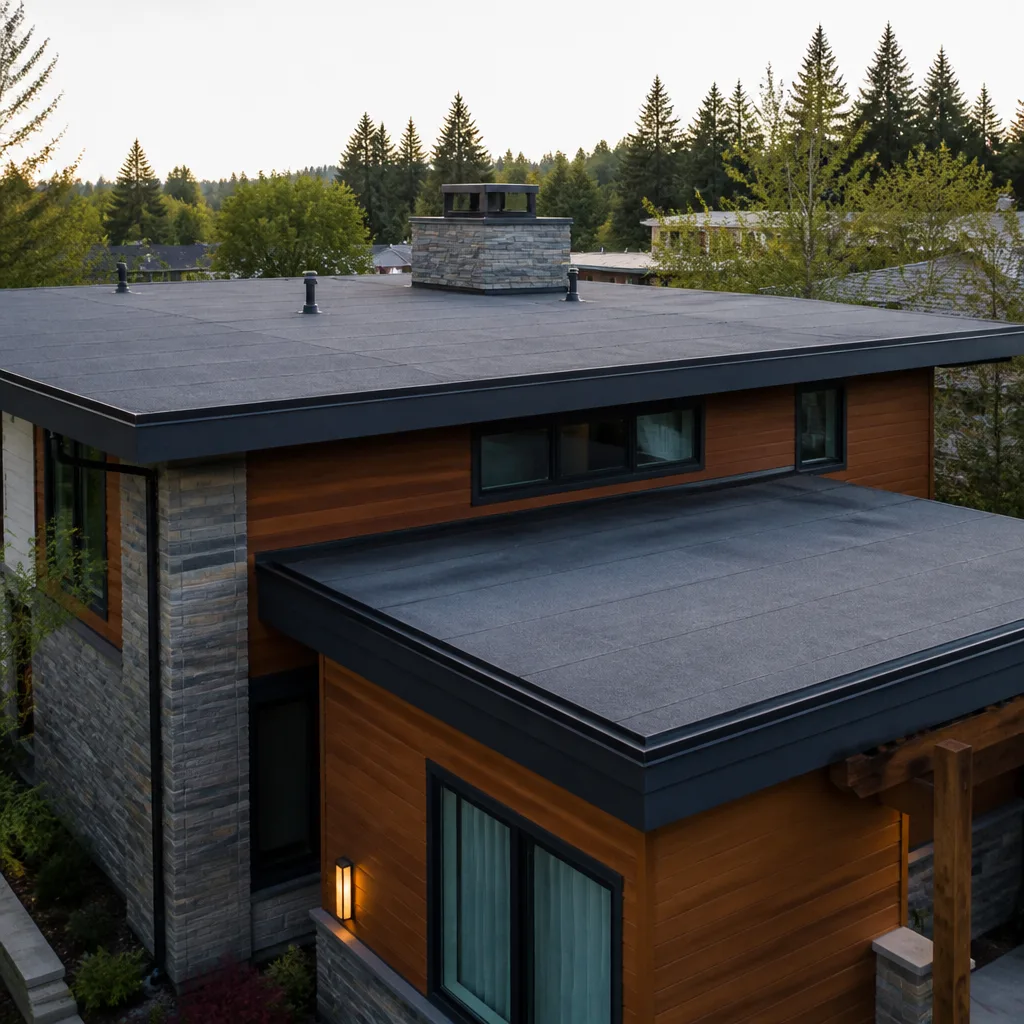 Flat & low-slope
Free roof inspection with deck photos before we talk money - GAF and Owens Corning certified installation
Seasonal Roofing Care for Fort Lauderdale: Year-Round Homeowner’s Guide
Most Fort Lauderdale homeowners think about their roof twice: when it leaks and when a hurricane is three days out. Both are expensive times to think about it. June 1 is not the moment to start calling roofers in this city. Contractors are already booked out for weeks, material lead times stretch, and any repair that opens your deck during the active rain season is a gamble against a passing afternoon storm. This guide lays out a smarter calendar, one built around how the subtropics actually stress a roof and when the Fort Lauderdale market gives you the best price and the best workmanship. For a deeper dive, see The Complete Guide to Roofing in Fort Lauderdale. You’ll learn which repairs belong in which month, what the dry season does to sealants and adhesives, and how to time a full replacement so it’s done before the first named storm rather than after.
Quick Answer
Seasonal roof care in Fort Lauderdale means aligning work with two stress seasons (hurricane season from June through November, and the relentless heat that runs year-round) and two opportunity windows (roughly October – November and February – March). Most standard repairs run $275 – $650, while full roof replacements in Fort Lauderdale typically run $9,000 – $18,000 depending on the roofing system and square footage. The single best move a homeowner can make is scheduling maintenance in the dry season months of February through April, when contractors have availability and sealants cure properly. If you’re weighing whether to tackle any of this yourself, our DIY vs Professional Roofing: The Fort Lauderdale Homeowner’s Decision Guide can help you decide.
Styles & brands we work with
Table of Contents
- Fort Lauderdale’s Two-Season Roof Reality
- Hurricane Season: What It Costs and When It Bites
- The February – March Prime Window for Full Roof Replacements
- April and May: The Last Realistic Prep Window
- Dry Season Science: Why Timing Affects Adhesives and Cures
- October – November: The Damage Documentation Season
- A Month-by-Month Maintenance Calendar for Fort Lauderdale
- What Seasonal Roof Care Costs in Fort Lauderdale
Fort Lauderdale’s Two-Season Roof Reality
Fort Lauderdale doesn’t experience the freeze-thaw cycles that wreck roofs up north. What it has instead is a combination of ultraviolet radiation, salt-laden air, and wind-driven rain that works on roofing materials year-round. The sun here is not a mild sun. It beats on shingles, tiles, and membranes for over 3,000 hours a year, breaking down the petroleum-based compounds that keep asphalt shingles flexible and the polymers that give flat-roof membranes their elasticity. The salt air off the Atlantic, moving inland through neighborhoods like Victoria Park and Rio Vista, accelerates corrosion on flashing, the metal strips that seal joints around chimneys, vents, and skylights. And from June through November, the wind-driven rain of afternoon thunderstorms and tropical systems pushes water sideways into places gravity alone would never carry it.
That’s why we talk about two stress seasons and two opportunity windows instead of spring, summer, fall, and winter. The stress seasons are hurricane season and the heat, which never really pauses. The opportunity windows are late fall, after the peak storm threat passes but while the weather is still dry enough for good work, and early spring, before the books fill up and before the humidity and afternoon storms return. Homeowners who align their spending with those windows get three things: better contractor availability, more competitive pricing, and materials installed under conditions that let them perform the way the manufacturers intend.
Most roofs in Fort Lauderdale are replaced on a 15 to 20 year cycle, though the specific lifespan depends on the system: asphalt shingle typically lasts 15 to 20 years in this climate, tile can go 30 to 50, and metal 30 to 50. Those are manufacturer ranges under ideal conditions. Fort Lauderdale conditions are rarely ideal. UV exposure alone can shave years off the lifespan of a shingle roof, and salt air can eat through the zinc coating on nails and flashing faster than inland homes ever experience. The honest way to think about it: this city is a wearing environment, and your roof is a wearable item, not a permanent fixture.
Understanding this rhythm is the difference between a $400 repair done in March and a $7,000 interior damage claim from a leak that started in August and wasn’t found until the ceiling stained in October. The Fort Lauderdale homeowner’s job is not to prevent every possible roof problem. It’s to find problems during the seasons when fixing them is cheapest and safest.
Hurricane Season: What It Costs and When It Bites
Hurricane season officially runs from June 1 through November 30, and in Fort Lauderdale, the practical effect on your roof starts earlier than the first named storm. The season’s first cost is not storm damage, it’s demand. Come late May, every homeowner in Broward County starts looking at their roof with fresh anxiety, and suddenly every reputable contractor in the area has a two-to-four-week backlog. Material lead times, especially for underlayment and tile, stretch from days to weeks. And because labor is fixed and demand is not, prices tick up, typically 10 to 20 percent for the same repair that would have cost less in March.
The second cost is the work itself. A repair that requires removing shingles or tile to access the deck beneath creates an open roof. In the dry months, that’s not a problem. In July, a 20-minute afternoon thunderstorm can turn a routine repair into a water intrusion event. Contractors who know what they’re doing will tarp and monitor the site, but no tarp is as good as an untouched roof. This is why we tell homeowners to treat June 1 as a deadline for any work that opens the deck. If you miss it, you’re either rolling the dice on weather or waiting until the dry season returns.
Here’s what a typical hurricane season actually does to a Fort Lauderdale roof, in the order we see it most often:
- Loose ridge caps and missing shingles: The most common entry point. A 60 mph gust finds the edge, and once one shingle lifts, the wind gets underneath and peels back its neighbors.
- Flashing failures at chimneys and vents: Years of salt air and UV whittle away at the sealant and the metal itself. When wind drives rain sideways, these joints leak.
- Clogged gutters and drainage backups: A month’s worth of palm fronds and seed pods can turn a gutter into a dam, sending overflow down behind fascia boards and into soffits.
- Tile displacement: Flat, concrete tile roofs common in the western parts of the city hold up well to wind, but a single dislodged tile opens a route for the next storm to work the underlayment.
What does it cost to ride out a season if you’ve kept up with maintenance? Most homeowners in Fort Lauderdale who get an annual inspection and handle small repairs as they come up spend between $200 and $800 per year on roof upkeep. Homeowners who skip inspection and wait for the ceiling stain spend more, because by the time water shows up inside, the decking under the shingles has often been wet for weeks or months. That means deck replacement, insulation replacement, and interior repairs on top of the roof work. The range there is $3,000 to $15,000 depending on how long the leak ran and what it soaked on the way down. The cheapest hurricane season is the one you prepared for in February.
The February – March Prime Window for Full Roof Replacements
If you know your roof is nearing the end of its useful life, February and March in Fort Lauderdale are the months to replace it. The logic is simple and it is supported by how contractors actually schedule their year. Demand drops after the holidays. The weather is dry and mild, with low humidity and little rain. Crews can work full days without afternoon storm interruptions. Material suppliers are stocked and not yet in surge mode. And a full replacement, which typically takes three to five days for an average single-family home, can be completed with the deck open and minimal weather risk.
There’s a pricing effect too. In our experience, a roof replacement quoted in February or March is typically priced at the lower end of the year’s range. That’s not a discount, exactly. It’s simply what the market looks like when demand is soft and suppliers aren’t passing along rush charges. By late April, demand picks up. By late May, you are paying peak-season rates for both labor and materials.
The other reason February – March wins is the buffer it creates. A replacement finished in March gives you eight to ten weeks before hurricane season begins. That’s enough time to live with the new roof, watch how it sheds rain in a few spring showers, and have any minor follow-up addressed before the real weather arrives. A roof replaced in October is also fine, but it goes through its first hurricane season at three months old. A roof replaced in March goes through its first hurricane season at eight months old, with months of on-the-job performance behind it.
What should you expect to pay for a full replacement in Fort Lauderdale during this window? For a standard asphalt shingle roof on a 2,000-square-foot home, the range is typically $9,000 to $14,000. Tile systems run higher, often $16,000 to $25,000 or more depending on profile and underlayment requirements. Metal falls between $13,000 and $20,000. These are realistic ranges for our market, not national averages, which always run lower than South Florida costs because they include places where roofs don’t fight hurricanes. A roof replacement in Fort Lauderdale is priced for the wind-load codes, the underlayment requirements, and the permitting process of this specific city. We recommend getting written quotes during this window, even if you plan to wait on the work. A quote anchored in February gives you a benchmark to judge June pricing against.
April and May: The Last Realistic Prep Window
By April, if you haven’t scheduled a full replacement, you’re not alone. But you still have roughly six to eight weeks before the season starts, and that’s enough time for a lot of valuable work. The key is to understand what fits in this window and what doesn’t. A one-day repair fits. A three-day replacement doesn’t, not comfortably, not if you want it finished before June 1.
Here’s a practical sequence for April and May in Fort Lauderdale:
- Get a full inspection, on the roof, with photos. The goal is to find loose tile, deteriorating sealant, rusted flashing, and any shingle granule loss that points to an aging roof. In April, the dry season is still in effect, so what the inspector sees is what’s there, not what the rain has hidden.
- Fix every small thing that can be fixed in a day. Missing shingles, cracked pipe collars, lifted flashing at valleys, clogged gutters, and failed sealant around skylights are all one-day repairs. Individually they run $200 to $600 in our market. Together they’re far cheaper than the interior damage they prevent.
- Check the attic, not just the roof. Look for daylight coming through the deck, insulated areas with dark stains, and any rust on the nails poking through. These are early signs that moisture has been getting in and staying. In South Florida, a wet attic in June becomes a mold issue by August.
- Trim overhanging branches. A limb over the roof can rub shingles during winds, drop leaves into valleys, and in a storm, break through the deck. This is a tree-trimming line item, not a roofing line item, but it’s part of roof care.
- If the roof doesn’t have another season in it, make a decision by May 1. Schedule the full replacement for October if the roof has visible signs of advanced wear but isn’t actively leaking. If it’s leaking in May, you need to fix it now and accept the higher seasonal price, because a leaking roof in September is worse.
We tell Fort Lauderdale homeowners this plainly: the last realistic prep window for the current season closes around May 15. After that, you’re in reactive mode, and reactive mode costs more. A homeowner who gets an inspection in early April and fixes five small things for $1,200 total has done more for their hurricane season than one who waits until August and pays $1,500 for a single emergency repair, plus whatever has stained the ceiling by then.
Dry Season Science: Why Timing Affects Adhesives and Cures
South Florida has a dry season that runs roughly November through April, and it matters more than most people think. It’s not just that roofers prefer working when it’s not raining. It’s that roofing materials, particularly sealants, adhesives, and self-adhering underlayments, perform differently depending on humidity, temperature, and surface moisture.
Take sealant. The products used around flashing, pipe collars, and vents are typically polyurethane or silicone-based, and they cure through a chemical reaction with moisture in the air. In the dry season, that reaction is more predictable. The substrate is dry, the temperature is moderate, and the sealant can form a full bond before any rain tests it. In the wet season, even a brief shower before the sealant sets can compromise the bond, creating a leak path that may not show up for months. The same logic applies to self-adhered underlayment, which is the peel-and-stick membrane used under tile and shingle roofs to provide a waterproof barrier. It bonds best to a clean, dry deck. Install it in April and you get a mechanical bond that lasts. Install it in July, with a deck that’s been exposed to morning dew and 90 percent humidity, and you’re fighting the very conditions the product is designed to resist.
Adhesives used for tile, particularly the foam-based adhesives that have become common in recent years, also have temperature and humidity windows. Most manufacturers specify application between 40 and 100 degrees Fahrenheit with limited humidity. Fort Lauderdale’s dry season keeps you inside the spec. Its wet season regularly pushes the envelope. When adhesives are applied outside the spec, the failure isn’t always immediate. Sometimes it’s a tile that shifts two years later, or a ridge cap that lifts in the first storm after the warranty expires.
For flat or low-slope roofs, the dry season is essential for membrane work. Thermoplastic and modified-bitumen membranes require clean, moisture-free surfaces for the heat welding or adhesion that creates watertight seams. An invisible film of moisture, which is common in the humid months, is the enemy of a good weld. Roofers in Fort Lauderdale who do membrane work in the wet season are constantly checking dew points and waiting out afternoon showers. In the dry season, the work simply flows.
This is why we angle every Fort Lauderdale homeowner toward the same calendar: structural work and anything involving sealants, adhesives, or underlayment belongs in the dry season. Emergency repairs will always exist, but elective work should never be scheduled when the atmosphere is working against the products.
October – November: The Damage Documentation Season
When the peak storm months pass and the afternoon thunderstorms slow down, many Fort Lauderdale homeowners breathe a sigh of relief and stop thinking about their roofs. That is a mistake, because October and November are the most important months for one specific task: documenting damage before it weathers away.
Here’s the problem. Storm damage to a roof is often subtle. A ridge cap lifts and settles back down. A tile cracks but doesn’t immediately leak. Flashing separates at a corner just enough to let water in during wind-driven rain. These problems are visible to a trained eye in October but may be invisible by February, after weeks of sun, rain, and fungus have worn down the evidence. If you’re filing an insurance claim, the adjuster needs to see the damage, not just hear about it. The time to document is now.
- Start with a roof inspection in October. Don’t wait for a leak. A professional inspection after the season catches damage while it still looks like storm damage.
- Take photos yourself, from the ground if possible. Capture the entire roof from multiple angles. Use a camera with a real zoom, not a phone that’s cropping pixels. Look for lifted shingles, missing granules, bent flashing, and any dark stains that appear new.
- Document the date and the weather history. If you know a particular storm hit on a particular date, write it down. Insurance claims go more smoothly when the homeowner can tie the damage to a specific event.
- Get repair estimates in writing now. Even if you plan to file insurance, a written estimate from a Fort Lauderdale roofing contractor gives the adjuster a benchmark. If the adjuster’s number comes in far below the contractor’s, you have a documented disagreement instead of a vague sense of being lowballed.
- Keep everything: photos, estimates, inspection reports. If a later inspection reveals the damage was more extensive than it looked in October, your earlier documentation establishes that the problem existed and was not new damage from later events.
The other thing about October and November: it’s a reasonable time to catch up on repairs you deferred during the season. The worst of the weather has passed, but the dry season is settling in, and crews have working room. A repair done in November gets the full benefit of the dry season for curing and bonding. A repair done in January is also fine. The difference is only a matter of scheduling pressure: by January, some homeowners are already booking their pre-season work, and you’re competing for the same calendar slots.
A Month-by-Month Maintenance Calendar for Fort Lauderdale
Most homeowners don’t need a theory of roofing. They need a list. Here is a month-by-month schedule for what to do and when to do it in Fort Lauderdale, assuming you already have a roof that’s in serviceable condition.
- January: Inspect interior ceilings and attic for stains from the previous wet season. Schedule any sealant or flashing repairs that were deferred. This is the lowest-demand month of the year for roofers.
- February: Get a comprehensive roof inspection. If the roof has five to eight years of life left, schedule any needed repairs now. If it’s nearing end-of-life, get replacement quotes in writing now.
- March: Best month of the year for a full roof replacement in Fort Lauderdale. Dry weather, reasonable temperatures, and contractor availability all align. Schedule it.
- April: Handle last-minute repairs. Clean gutters and downspouts. Trim branches. Check flashing around chimneys, skylights, and vents for cracked, peeling, or missing sealant.
- May: Final prep window closes around May 15. If the roof needs work that opens the deck, now is the last reasonable moment. After mid-May, wait for fall unless it’s an emergency.
- June through September: Reactive mode. Monitor ceiling stains, check the attic after heavy rain, and address only true emergencies. Avoid scheduled tear-off work during these months unless the roof is actively failing.
- October: Post-season inspection. Document any storm damage. Take photos. Get insurance-related repair estimates in writing while damage evidence is fresh.
- November: Complete any storm-damage repairs before the holiday scheduling lull. Sealant and underlayment work done now cures under ideal conditions.
- December: Light month. Check gutters after fall leaf drop, especially in neighborhoods with heavy tree canopy like Sailboat Bend and Shady Banks.
What Seasonal Roof Care Costs in Fort Lauderdale
Let’s talk about dollars, because vague advice about maintenance is cheap but the work is not. Here are the typical ranges we see in Fort Lauderdale for the most common seasonal jobs, as of 2025. These assume a standard single-family home with asphalt shingle roofing, though prices apply broadly across tile and metal systems for similar work.
- Annual roof inspection with photo documentation: $150 – $350. Some companies charge by the square of the roof; others charge a flat fee. A thorough Fort Lauderdale inspection includes checking the attic, not just the roof surface.
- Single shingle repair (replacing a few missing or damaged shingles): $250 – $500, depending on access and pitch. A steep roof with two-story access costs more.
- Flashing repair around a chimney or vent: $300 – $700, depending on the length of flashing and the condition of the surrounding materials.
- Sealant replacement around pipe collars and roof penetrations: $150 – $300 per penetration. This is one of the highest-value small repairs you can do before hurricane season.
- Gutter cleaning and minor repair: $150 – $400 for a single-story home, more for two-story or heavily clogged runs.
- Full roof replacement (asphalt shingle): $9,000 – $14,000 for a typical 2,000-square-foot home in Fort Lauderdale. Tile and metal run higher, as noted earlier.
- Emergency tarp or temporary roof patch during a storm event: $350 – $1,000, depending on access, urgency, and the size of the tarped area. This is always more expensive than the repair it postpones.
These numbers move with the season. A $350 flashing repair in March might cost $450 in August, not because the work changed but because the contractor’s schedule is full and the demand is high. A full replacement quoted in February often comes in 5 to 15 percent lower than the same scope quoted in June. That’s not a sale price. That’s the market doing what markets do.
At Crestview Roofing Co Fort Lauderdale, we put our prices in writing before any work begins. The number on the written quote is the number on the invoice. For seasonal maintenance and repair work, that includes a full-year guarantee on every repair we complete in Fort Lauderdale. If something fails within 365 days, we return and make it right at no charge, no exceptions and no negotiation. That’s the 365-Day Done Right Promise, and it’s part of every job we do, in writing.
Common Mistakes to Avoid
- Waiting until June to think about the roof. By the time hurricane season starts, the good contractors in Fort Lauderdale are booked. What’s left is either a premium-priced slot or a contractor who’s available for a reason.
- Skipping the annual inspection to “save” money. A $200 inspection that finds a $400 repair before the storms costs you $600. A leak that runs for two months costs you decking, drywall, insulation, and mold, and the bill starts around $3,000. The math is not close.
- Ignoring small sealant cracks around vents and pipes. These are the most common entry point for water in Fort Lauderdale, even if they look insignificant from the ground. Wind-driven rain finds every opening, and a hairline crack in sealant is an opening once the rain is moving sideways.
- Letting gutters fill with palm fronds and seed pods for months. Clogged gutters in this city overflow during afternoon storms and send water behind fascia boards, where it rots the wood and stains the soffit. Clean them in April and again in December.
- Assuming a tile roof needs no maintenance because it’s tile. Tile is durable, but the underlayment beneath it is not protected from time and heat. Tile systems in Fort Lauderdale need underlayment replacement on roughly a 20-year cycle. The tiles may last 50 years; the waterproofing beneath them will not.
- Taking photos after the damage has weathered away. Storm damage evidence fades in South Florida within weeks: sun, rain, and organic growth erase the signs. Document in October, not February.
- Signing with a contractor who won’t put the price in writing before work starts. If the roofer won’t commit to a number on paper, you’re accepting the risk that the number changes once the deck is open. There are too many good contractors in Fort Lauderdale who operate transparently to take that risk.
See the difference
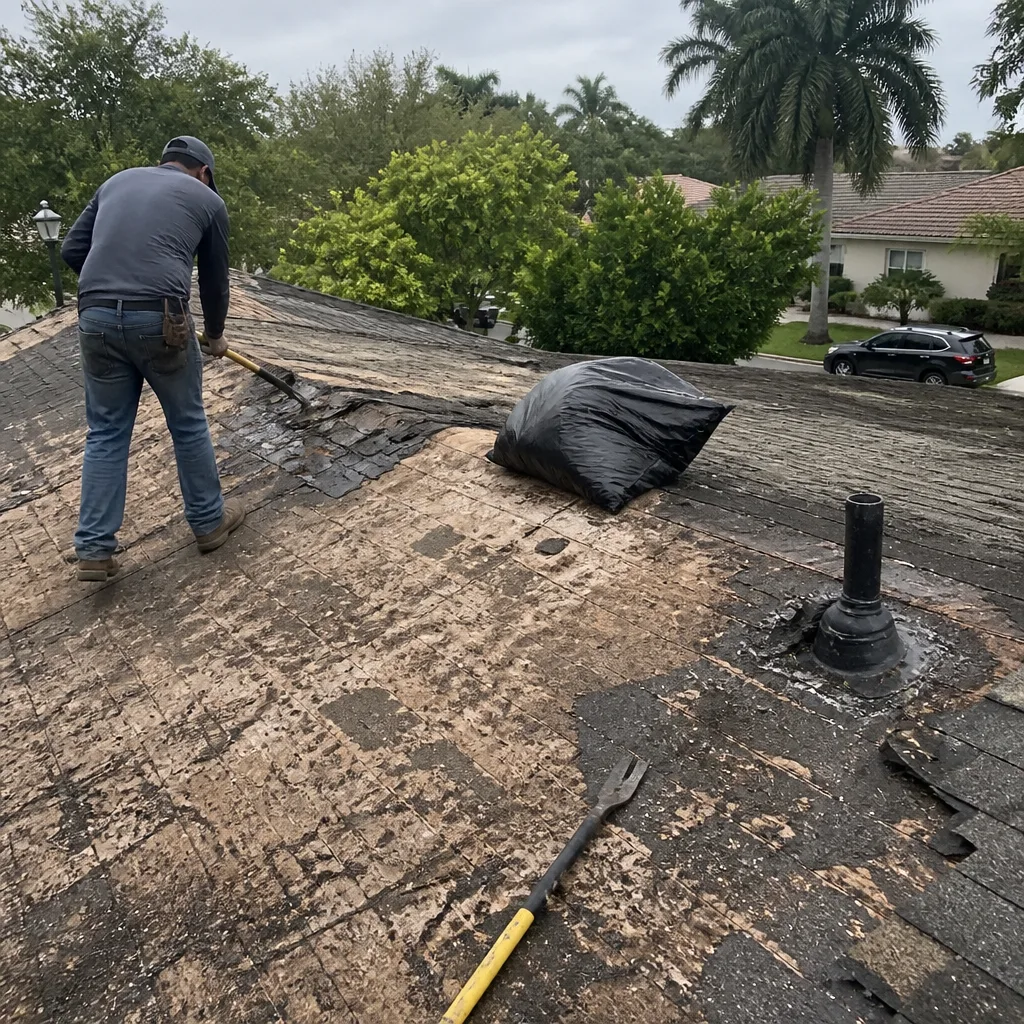 Before
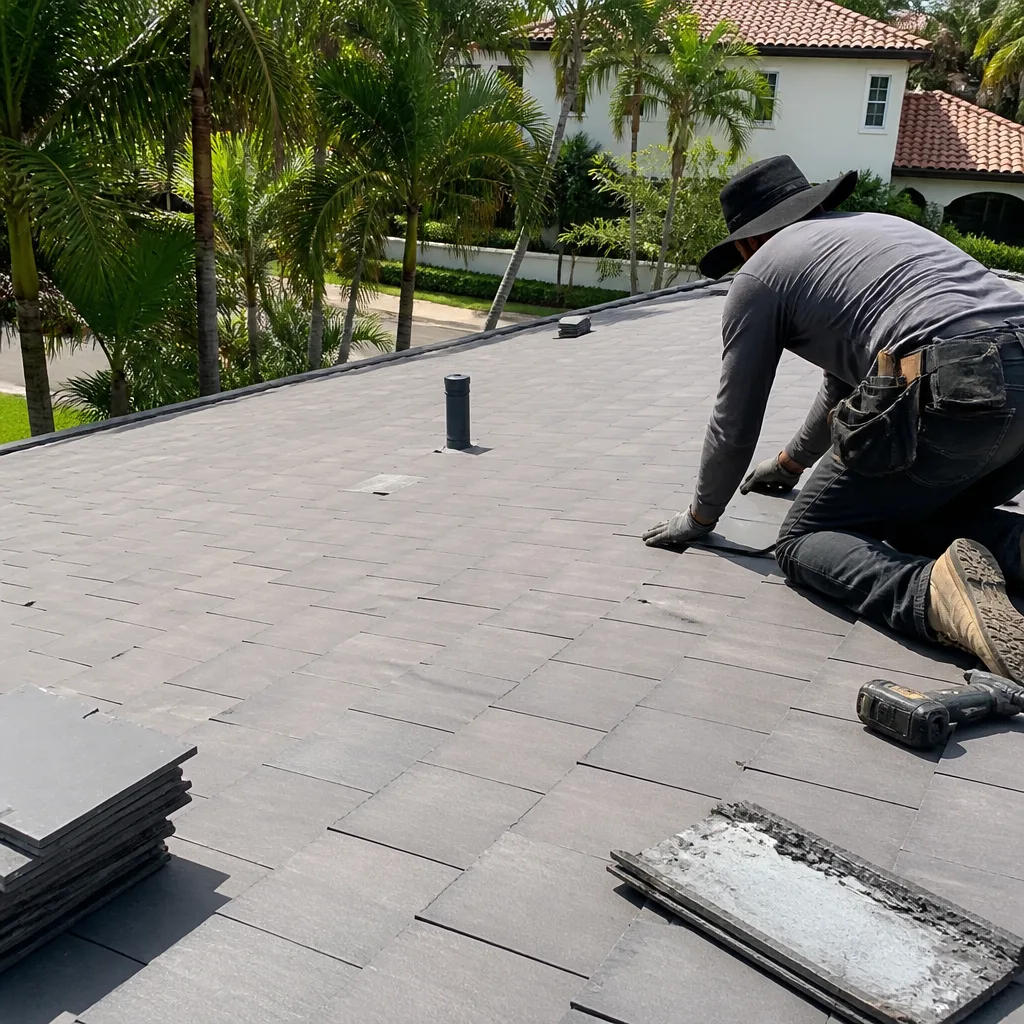 After
After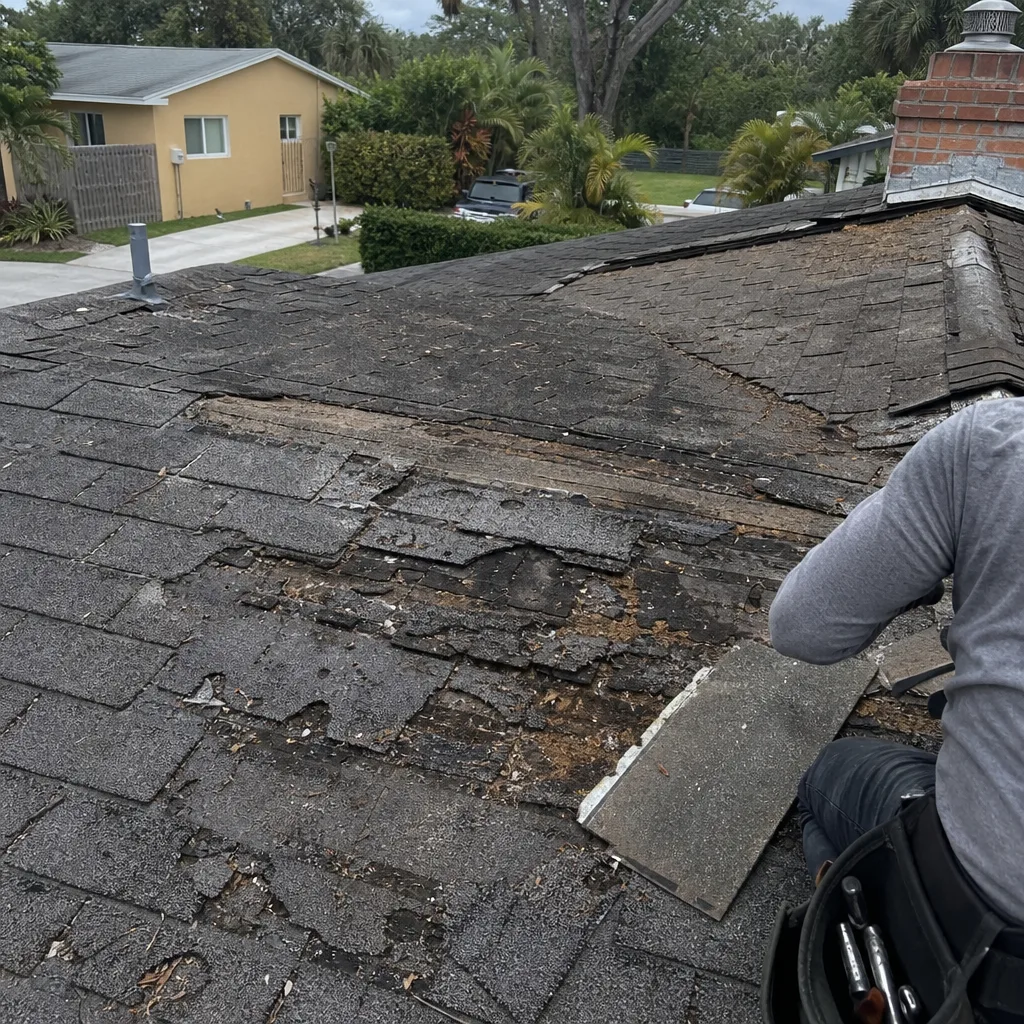 Before
 After
After Before
 After
AfterWhen to Call a Professional
Some things are fine to check yourself: a visible ceiling stain, a gutter full of leaves, a branch resting on the roof. But once you’re on a ladder with a caulk gun and a question about what you’re looking at, you’re past the point of useful DIY. Roofing in Fort Lauderdale involves steep pitches, two-story heights, and materials that don’t forgive mistakes. If you see dislodged tile, lifted flashing, granule loss shedding into gutters, or any water stain inside the house that wasn’t there two weeks ago, call a professional before the next rain. Safety matters too: working on a roof without the right fall protection and footwear is how South Florida homeowners end up in emergency rooms. Roof repair in Fort Lauderdale is best left to people who do it daily, with the training and equipment to do it safely. Crestview Roofing Co Fort Lauderdale offers free estimates in Fort Lauderdale – call (754) 354-8628 and we’ll put the price in writing before any work begins.
Frequently Asked Questions
The best window is February through early March, when demand is low, the weather is dry, and a full replacement can be completed before hurricane season starts in June. A replacement in February or March typically costs 5 to 15 percent less than the same job quoted in June, and it gives your new roof months of real-world performance before its first storm.
A realistic annual budget for a well-maintained Fort Lauderdale roof is $200 to $800 per year, assuming an annual inspection plus a few small repairs such as sealant replacement, flashing touch-ups, and gutter cleaning. If the roof is older and needs more involved work, that number climbs, but the alternative – waiting for leaks – always costs more.
You can, but you’ll pay more. A repair done after damage has occurred is always more expensive than the maintenance that would have prevented it, and in Fort Lauderdale, post-storm demand drives prices up while material availability gets tight. The cheapest hurricane season is the one you prepared for in February, March, or April.
Yes. Roof sealants and peel-and-stick underlayments cure best in dry, moderate conditions. The South Florida dry season, roughly November through April, provides those conditions. Installing these products during the humid months risks a weaker bond and a premature failure that may not show up until the next storm. This is a strong argument for scheduling elective work in the dry season.
A standard asphalt shingle replacement on a typical single-family Fort Lauderdale home takes three to five days, assuming good weather and no hidden deck damage. Tile and metal replacements often run longer, up to a week or more, because the materials require more handling and detail work. If significant deck replacement is needed once the old roof comes off, add a day or two.
Yes. Every repair we complete in Fort Lauderdale is covered by our 365-Day Done Right Promise, which is written into the contract. If a covered repair fails within 365 days, we return and correct it at no charge, including a free second visit. We also provide written pricing before any work begins, so the quote you approve is the price you pay.
The Bottom Line
Fort Lauderdale roofs fail on a schedule, and that schedule is written by two forces: hurricane season and heat. The homeowners who get the most life from their roofs are the ones who respect the calendar – who inspect in February, repair in March and April, document damage in October, and avoid opening their decks during the storm months. You don’t need to become a roofing expert. You need to know which months to act and which months to wait, and you need a contractor who will show you, in writing, what the work will cost before it begins. Use the dry season. Use the downtime. Let your roof go through its first hurricane season with months of inspection and repair behind it, not weeks.
Written by Dylan Pace, Owner at Crestview Roofing Co Fort Lauderdale, serving Fort Lauderdale since 2000.