
Last updated October 17, 2026
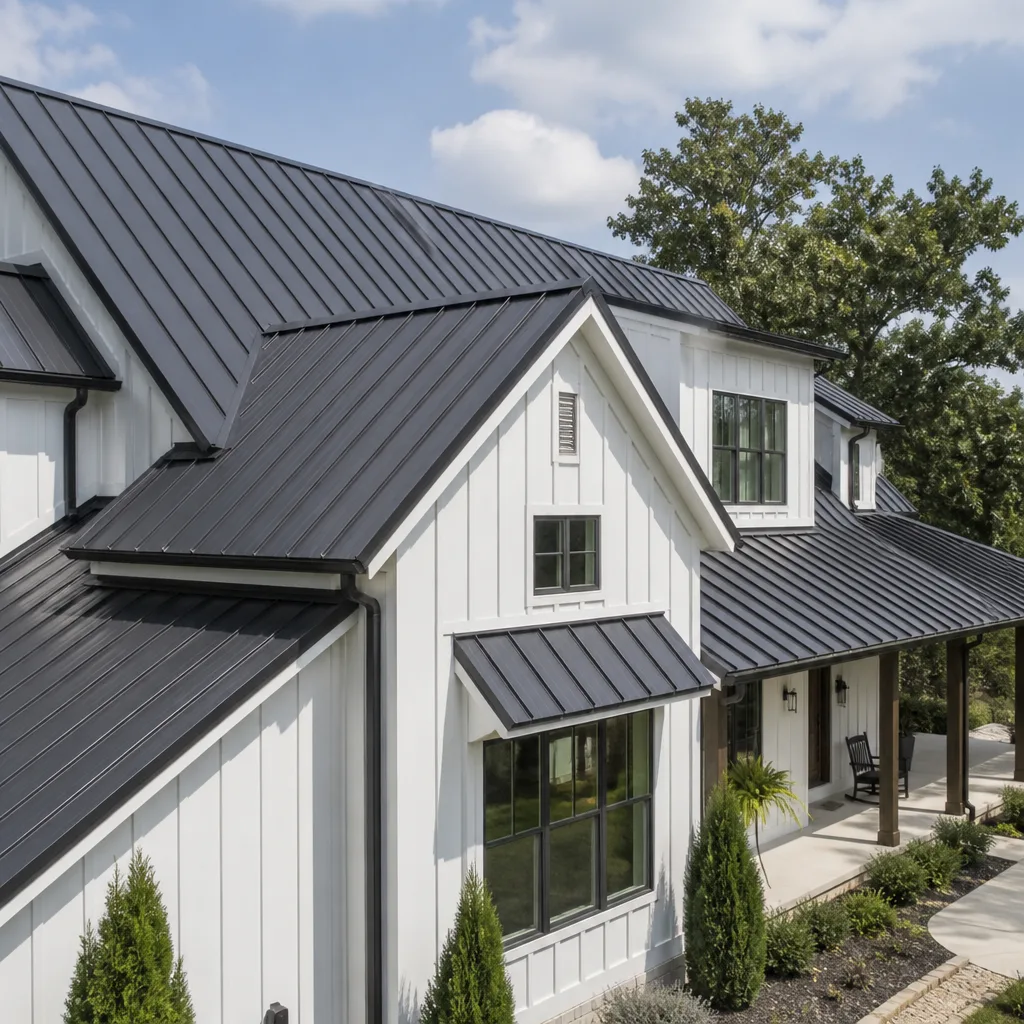 Metal roofing
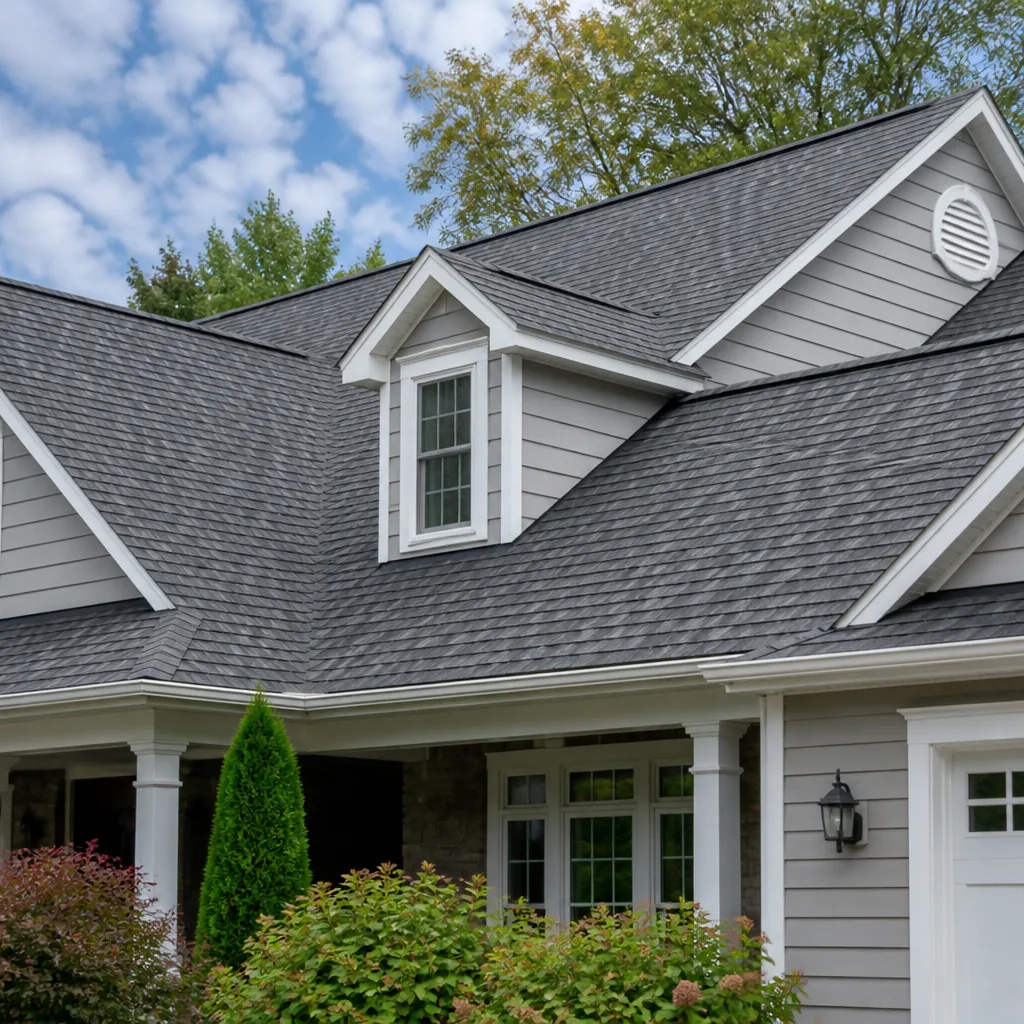 Architectural shingles
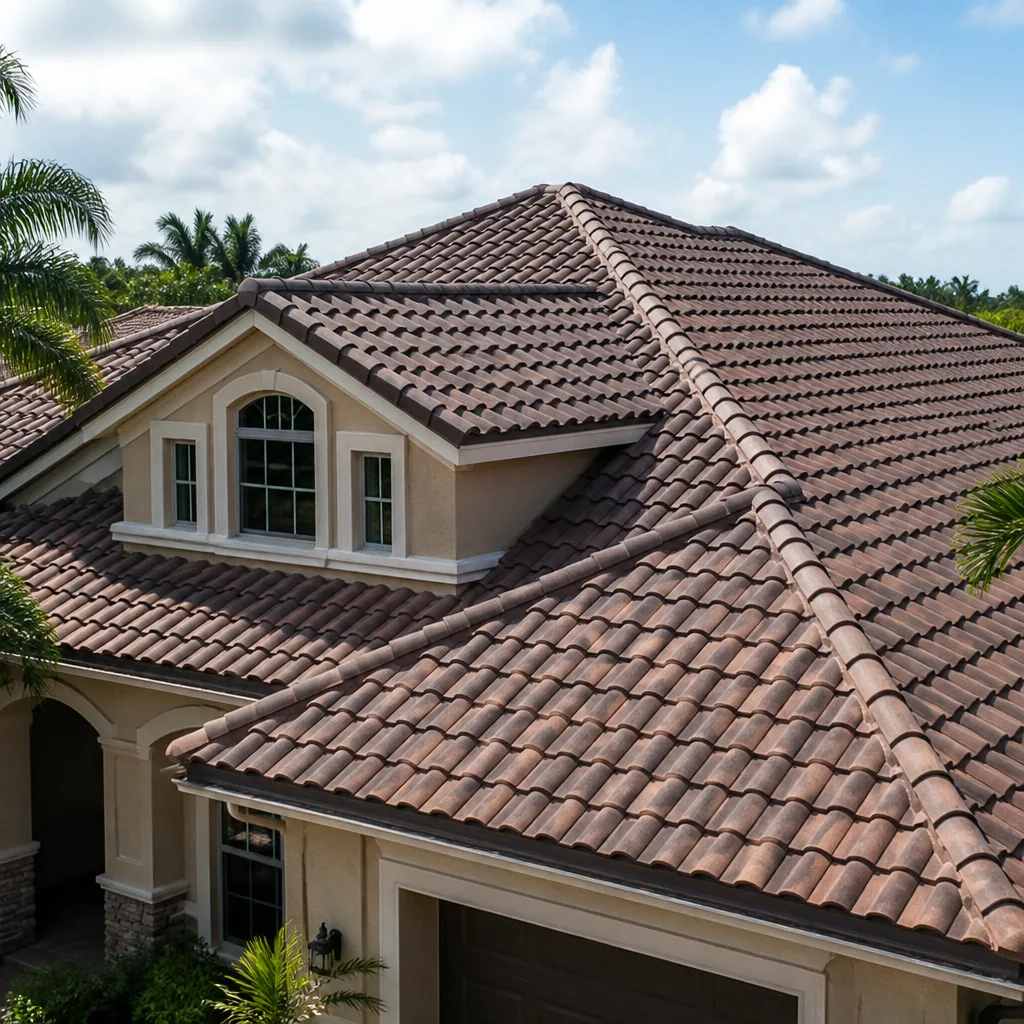 Tile roofing
 GAF
GAF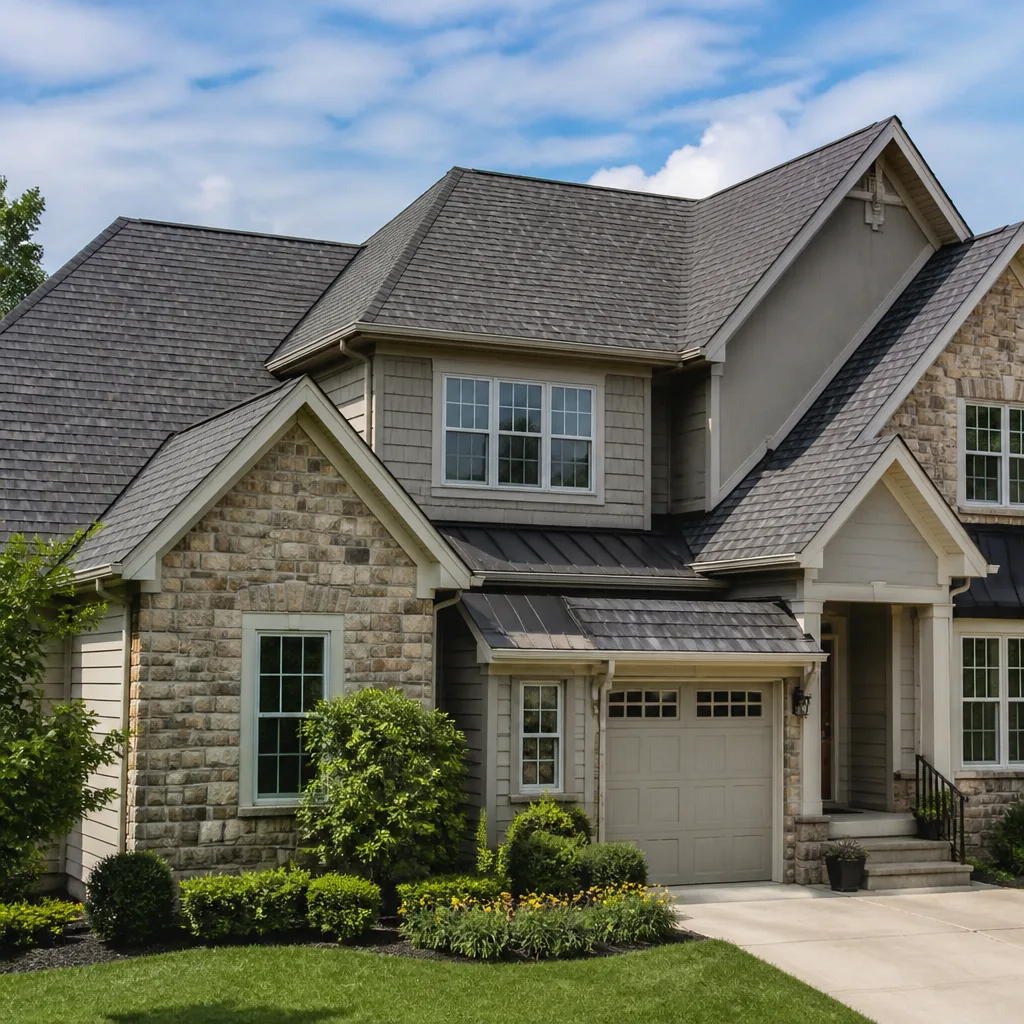 Owens Corning
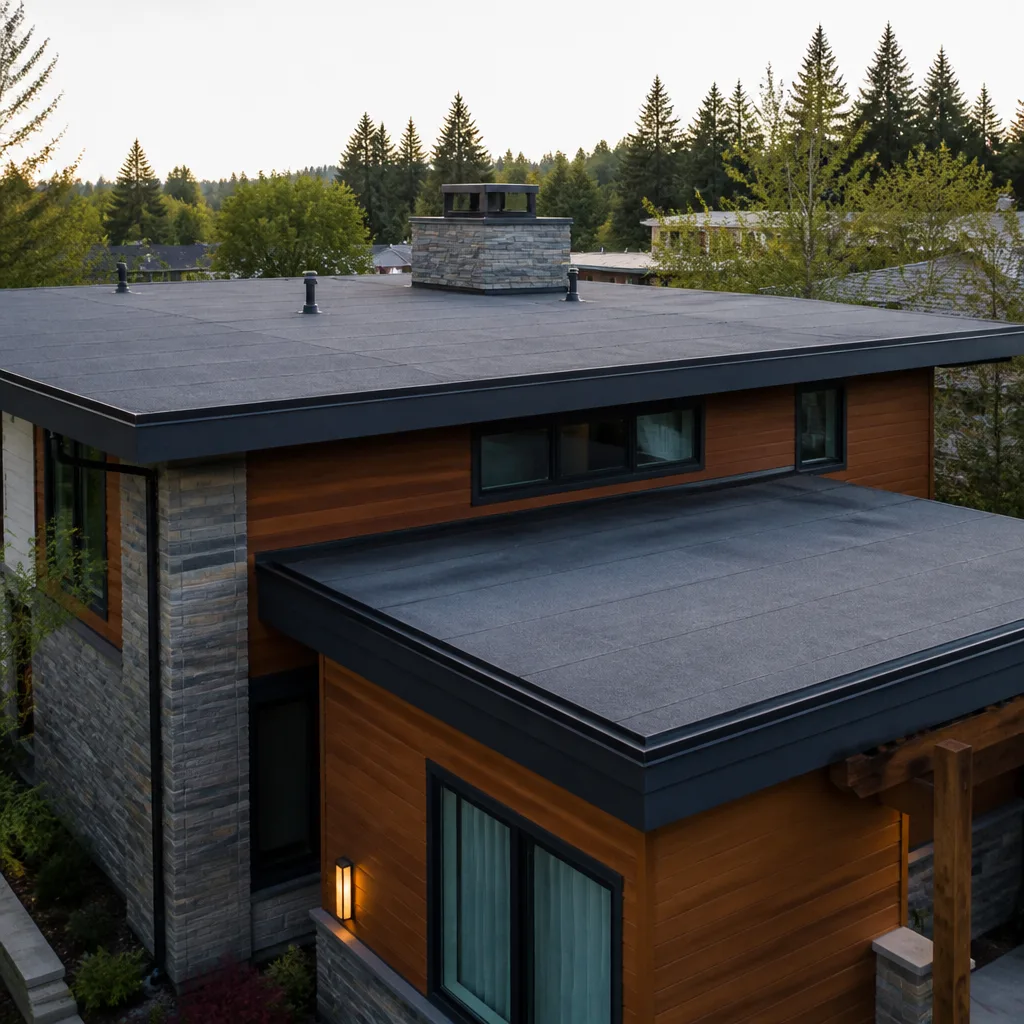 Flat & low-slope
Free roof inspection with deck photos before we talk money - GAF and Owens Corning certified installation
How to Hire a Roofing Contractor in Fort Lauderdale: A Step-by-Step Guide
After Hurricane Ian, Florida’s Department of Business and Professional Regulation fielded more unlicensed contractor complaints than in any prior storm recovery period. The majority involved roofing, and most victims had done what they thought was due diligence: they got three quotes, checked a reference or two, and signed with the lowest bidder. The problem in Fort Lauderdale isn’t a lack of information, it’s knowing which information actually protects you from a market flooded with out-of-state crews and paper contracts designed to collapse on day one. This guide and our Roof Repair Maintenance Checklist for Fort Lauderdale Homeowners walk through the exact verification steps, document checks, and interview questions that separate a contractor who will stand behind the roof from one who will vanish before the final inspection.
Styles & brands we work with
Quick Answer
To hire a roofing contractor in Fort Lauderdale, verify they hold an active Florida CCC (Certified Roofing Contractor) license, confirm their Broward County permit pull history shows a clean record of passed inspections, and demand a written estimate with a price-lock clause before any work begins. Ask for proof of manufacturer certification from the shingle brand you choose, and require a written warranty that covers workmanship for at least one full year.
Table of Contents
- Step 1: Verify the Florida CCC License (Not Just Any License)
- Step 2: Search Broward County Permit Pull History
- Step 3: Read the Written Estimate Like a Contract (Because It Is)
- Step 4: Verify Manufacturer-Certified Installer Status Directly
- Step 5: Ask the Five Questions That Expose Quote-Billing Gaps
- Step 6: Confirm Insurance Coverage and Lien Waivers
- Step 7: Understand Fort Lauderdale HVHZ Code Requirements
- Common Mistakes to Avoid
- When to Call a Professional
- Frequently Asked Questions
- The Bottom Line
Step 1: Verify the Florida CCC License (Not Just Any License)
Florida issues several contractor license types, and this is where Fort Lauderdale homeowners get burned. A general contractor license (CGC) is not the same as a roofing contractor license (CCC). The CCC designation means the holder passed Florida’s roofing-specific examination, carries the required insurance, and is authorized to perform roofing work anywhere in the state. A general contractor can legally pull permits for many projects, but roofing requires the CCC or, in limited cases, a state-certified residential roofing license (CCC with a residential scope).
To verify a license, go to the Florida DBPR website and search by license number or business name. You’re looking for:
- License type: CCC (Certified Roofing Contractor) or CRC (Certified Residential Contractor with roofing scope). If the license type says CGC, the person is not licensed to roof your home.
- License status: Active, not probationary, suspended, or revoked.
- Expiration date: The license must be current, not lapsed and pending renewal.
- Insurance information: The DBPR record should list current general liability and workers’ compensation coverage.
In Fort Lauderdale, unlicensed roofing work carries an extra layer of risk because of HVHZ (High Velocity Hurricane Zone) building code requirements. An unlicensed contractor cutting a roof in Broward County is not just skipping paperwork; they’re likely skipping the code itself, which is why so many post-storm repair jobs fail the first county inspection. The license check takes five minutes. Do it before you let anyone on the roof.
Step 2: Search Broward County Permit Pull History
Broward County maintains a public database of every building permit pulled by every contractor. You can search by contractor name, license number, or property address through the county’s ePermits portal. This is not optional due diligence. It’s the single clearest signal of how a contractor operates when they think no one is watching.
Here’s what to look for:
- Permit volume: A contractor with zero pulled permits in Broward County either works illegally or is new to this market. Neither is good for a Fort Lauderdale roof.
- Inspection results: Failed inspections happen to everyone, but a pattern of repeated failures on the same address, or a string of permits where final inspections were never recorded, indicates a contractor who walks away before the job is signed off.
- Expired permits: A permit that expires means the work was never completed or the contractor never scheduled the final inspection. A roof with an open, expired permit is a problem when you sell the house.
- Permit type accuracy: Look for roofing-specific permits, not generic “repair” permits. A roofer who pulls a building permit for a roof replacement is hiding something.
Dylan Pace, who heads Crestview Roofing Co Fort Lauderdale, has seen the aftermath of skipped permits in neighborhoods across the city. We’ve walked onto roofs in Victoria Park and Rio Vista where the previous contractor’s work was sound, but the permit was never closed. The homeowner now has an unpermitted roof on a property they may want to sell, and the buyer’s inspector will flag it. Pulling permits and closing them out is not a bureaucratic nicety. It’s the difference between a roof you own free and clear and one that owns you.
Step 3: Read the Written Estimate Like a Contract (Because It Is)
Every roofer in Fort Lauderdale will give you an estimate. Most of those estimates are worthless as protection. The difference is specificity.
A written estimate that actually protects you contains:
- Line-item pricing: Materials, labor, disposal, permits, and any subcontractor fees listed separately. “Full roof replacement: $24,000” is not an estimate. It’s a number with no means of contesting change orders.
- Specific materials identified by brand and product line: “Architectural shingle, GAF Timberline HDZ, color: Charcoal” tells you exactly what you’re buying. “30-year shingle, color TBD” tells you the contractor will use whatever is on the truck.
- Scope of work stated in plain language: Number of squares, underlayment type, flashing locations, ventilation components, and whether existing decking is included in the base price or billed per sheet if replacement is needed.
- A price-lock clause: This is the language that separates honest contractors from the storm-chaser playbook. The estimate should state, in writing, that the price on the page is the price on the invoice unless the homeowner approves a written change order for hidden conditions.
- Completion timeline with specific milestones: Not “about two weeks.” Something like: “Demolition Day 1, dry-in Day 2, shingles and flashing Day 3, final inspection Day 5, weather permitting.”
Red flags to reject outright:
- “Estimate subject to final measurement” with no cap on the adjustment.
- No mention of permit fees, which means they’ll be added later.
- Vague material descriptions that allow for substitution.
- No written warranty language, just a verbal promise.
- A contract that requires full payment before work begins.
Crestview Roofing Co Fort Lauderdale puts a written price in front of every customer before any work starts. The number on the page is the number on the invoice. That’s not a policy we invented as a marketing line. It’s the Relay Visibility Guarantee, and it’s binding on every job we take.
Step 4: Verify Manufacturer-Certified Installer Status Directly
Many roofing contractors in Fort Lauderdale claim to be “certified” or “preferred” installers for major shingle manufacturers. The claim is often true, sometimes inflated, and occasionally fabricated. Here’s what that status actually means, and how to verify it yourself.
Manufacturer certification is not a participation trophy. To become a GAF Master Elite contractor, for example, a roofer must meet minimum insurance requirements, maintain a certain volume of GAF installations, pass manufacturer training, and earn consistently high customer satisfaction scores. CertainTeed and Owens Corning run similar programs. The benefit to you is warranty enhancement: certified installers can often offer stronger material warranties, including coverage for workmanship that the manufacturer wouldn’t extend to a random contractor.
How to verify:
- Search the manufacturer’s website directly. GAF, CertainTeed, Owens Corning, and Tamko all maintain public contractor locators. If the contractor’s name isn’t there, they are not certified, no matter what their marketing says.
- Ask for the certification number. Manufacturers issue IDs to certified installers. You can call the manufacturer’s contractor support line and confirm the number.
- Confirm the certification is current. These designations typically renew annually. A contractor certified in 2021 is not necessarily certified today.
- Match the certification to the product being installed. A contractor certified by one manufacturer is not automatically certified by another. If the estimate specifies Boral tile but the certification is with Tamko, ask for the Boral certification or change the product.
At Crestview Roofing Co Fort Lauderdale, we install and repair using materials from GAF, CertainTeed, Owens Corning, IKO, Atlas, Tamko, and Boral. We don’t ask you to take our word on certification. We’ll point you to the manufacturer’s contractor locator and let you confirm it directly. That’s the level of verification you should expect from any roofer in Fort Lauderdale.
Step 5: Ask the Five Questions That Expose Quote-Billing Gaps
The gap between the number on a quote and the number on the final invoice is where most Fort Lauderdale roofing disputes live. These five questions, asked in order, expose whether a contractor operates with price certainty or hopes you’ll find out after the roof is on.
- “What is your written price-lock policy?” Ask for it in writing. If the answer is “we can’t lock prices because material costs change,” move on. Material prices do change, but a contractor who owns their supply chain and pricing discipline can honor a quote for a reasonable window, typically 30 days. If they won’t put the lock in writing, they’re planning to bill you more.
- “Who will be on my roof, and are they your employees or subcontractors?” Subcontractors are not inherently bad, but you need to know who is doing the work. If the contractor won’t name the crew or confirm background checks, you’re rolling the dice on who shows up.
- “What documentation will I receive during and after the job?” The correct answer includes before-and-after photos, a digital invoice, and a written warranty. If the contractor looks confused by the question, they don’t document their work, which means you’ll have no evidence if something goes wrong.
- “How do change orders work if you find rotted decking or failed flashing?” A straight answer: “We’ll stop, show you photos, explain the cost per sheet or per linear foot as stated in your estimate, and get your written approval before proceeding.” A red-flag answer: “We’ll just take care of it and add it to the final bill.”
- “What is your workmanship warranty, and is it in writing?” You want a specific term: one year, two years, five years. Crestview Roofing Co Fort Lauderdale covers every repair for 365 days under the 365-Day Done Right Promise, including a free second visit if the repair fails. No charge, no negotiation, no runaround. If a contractor won’t commit to a written term, the warranty is worth nothing.
Step 6: Confirm Insurance Coverage and Lien Waivers
A roofing contractor without proper insurance is a financial time bomb on your property. If a worker falls off your roof and the contractor has no workers’ compensation, the claim lands on your homeowners insurance. If the contractor damages your property and has no general liability, you’re paying for the repair or fighting in small claims court.
Request certificates of insurance directly from the contractor’s agent, not just a photocopy handed over at the kitchen table. Verify:
- Workers’ compensation coverage: Active, with limits appropriate for roofing work. Florida law requires it for roofing contractors with employees.
- General liability coverage: At least $1 million per occurrence, with the certificate naming the contractor’s legal business name, not a DBA with no assets behind it.
- Policy dates: The certificate must be current, not expiring next week.
Equally important is the lien waiver. Florida’s construction lien law lets unpaid subcontractors and suppliers place a lien on your home even if you paid your contractor in full. To protect yourself, require lien waivers in the contract. At minimum, final payment should be contingent on receiving signed lien waivers from all subcontractors and major material suppliers. A contractor who won’t agree to this in writing is planning to leave you holding their bills.
Step 7: Understand Fort Lauderdale HVHZ Code Requirements
Fort Lauderdale sits inside Florida’s High Velocity Hurricane Zone, a designation that imposes stricter roofing standards than almost anywhere else in the country. The HVHZ code governs everything from shingle attachment methods to underlayment type to the fasteners used on flashing. A roof that meets code in Orlando might fail code in Broward County.
Key HVHZ requirements for Fort Lauderdale roofs:
- Underlayment: HVHZ code requires specific high-wind underlayment products, typically self-adhered modified bitumen or similar, not the standard felt used elsewhere.
- Fastening patterns: Shingles must be nailed in a specific pattern with the correct number of nails per shingle. The code is prescriptive about nail placement, not vague.
- Flashing details: Flashing, the metal strips that seal joints around chimneys, vents, and roof-to-wall transitions, must meet HVHZ specifications for material thickness and fastening.
- Permit and inspection: Every roof replacement in Fort Lauderdale requires a permit, and the work must pass a county inspection to close the permit.
This is why the license check in Step 1 matters so much. A contractor licensed in Florida but not experienced in Broward County’s HVHZ enforcement may not know the difference between Miami-Dade’s NOA (Notice of Acceptance) requirements and what Broward County inspectors look for. Ask your contractor directly: “What HVHZ code sections apply to my roof, and how does your scope of work address them?” If the answer is vague, call someone else. At Crestview Roofing Co Fort Lauderdale home, we work in this code every day, and we’ll walk you through exactly what your roof needs to pass inspection the first time.
Common Mistakes to Avoid
- Hiring the first storm-chaser who knocks on your door. After any named storm, out-of-state crews flood Fort Lauderdale. They knock, they quote low, they disappear. If you didn’t call them, don’t hire them.
- Skipping the license check because the estimate looks professional. A polished truck wrap and a laser-printed estimate mean nothing. Verify the CCC license on the DBPR website before anything else.
- Signing a contract without a written price-lock clause. In a competitive market, material prices shift. A contractor who won’t lock the price in writing is planning to charge you the difference.
- Paying a large deposit upfront. Florida law caps deposits for residential roofing at a percentage of the total contract value, and even that should be reasonable. Paying 50% or more upfront removes every incentive to finish the job correctly.
- Assuming manufacturer warranty covers workmanship. It doesn’t. Manufacturer warranties cover the shingles, not the installation. Workmanship coverage comes only from the contractor, and only if it’s in writing.
- Ignoring the permit status on the county portal. A contractor who pulls a permit and never closes it leaves you with an unpermitted roof that will surface at resale. Check the permit history before you sign, and confirm closure after completion.
- Choosing the lowest bid without comparing line items. A low bid that omits underlayment, flashing replacement, or permit fees is not cheaper. It’s just less roof. Compare the scope, not just the bottom number.
When to Call a Professional
Some roofing situations are clear calls for professional help. You see water stains spreading on a ceiling after heavy rain. Granules from shingles are collecting in your gutters, which means the shingle surface is failing. You notice missing or cracked shingles after a wind event. Your roof is more than 20 years old and you’re planning to sell or refinance. Or you find daylight coming through your attic sheathing. In each of these cases, the longer you wait, the more the underlying damage costs to repair. Fort Lauderdale’s wet season from June through November accelerates rot and mold growth inside the decking and framing. Crestview Roofing Co Fort Lauderdale offers free estimates in Fort Lauderdale. Call (754) 354-8628 and we’ll tell you exactly what’s wrong, what it costs, and what documentation you’ll receive before, during, and after the work.
Frequently Asked Questions
A full roof replacement in Fort Lauderdale typically runs $12,000 to $28,000 depending on roof size, pitch, shingle choice, and whether decking replacement is needed-see our Roofing Cost Breakdown: The Fort Lauderdale Homeowner’s Reference for 2026 for deeper context. Architectural shingles on an average 1,800-square-foot single-story home usually fall in the $14,000 to $20,000 range. For a line-item estimate specific to your roof, call (754) 354-8628. Estimates are free, and the price is locked in writing before work starts.
Most residential roof replacements in Fort Lauderdale take two to five days from tear-off to final inspection, weather permitting. Larger or steeper roofs, tile roofs, or jobs requiring significant decking replacement can extend to a week or more. The permit process may add a few days before work begins, depending on county review timelines.
No. In Florida, roofing work requires a specific roofing license, either a CCC (Certified Roofing Contractor) or a CRC with roofing scope. A general contractor license (CGC) does not authorize the holder to perform roofing work. Always verify the license type on the Florida DBPR website before hiring.
The 365-Day Done Right Promise is the written workmanship guarantee that covers every repair Crestview Roofing Co Fort Lauderdale performs. If a covered repair fails within 365 days, we correct it at no charge, including a free second visit. The promise is included with every job, in writing, at no extra cost.
Yes, in most cases. Fort Lauderdale and Broward County require permits for roof replacements and for most structural roof repairs. Minor, non-structural repairs like sealing a small leak or replacing a few shingles may not require a permit, but any work involving decking, underlayment, or structural components does. Your contractor should handle the permit process and close it out with a passed final inspection.
Go directly to the shingle manufacturer’s website, such as GAF, CertainTeed, or Owens Corning, and search their public contractor locator by business name or ZIP code. If the contractor doesn’t appear, they are not currently certified. You can also call the manufacturer’s contractor support line and provide the certification number your contractor gives you.
The Bottom Line
Hiring a roofing contractor in Fort Lauderdale comes down to verification and documentation. Verify the CCC license on the DBPR website. Check the Broward County permit history for inspection failures and abandoned permits. Demand a written estimate with line items and a price-lock clause. Confirm manufacturer certification directly. Require a written workmanship warranty with a specific term. And never, under any circumstances, hire a contractor who comes to your door after a storm. The roofer who earns your business will welcome every check on this list because they have nothing to hide. Roof Repair in Fort Lauderdale, Roof Replacement in Fort Lauderdale, and Roof Installation in Fort Lauderdale all follow the same standard. Call (754) 354-8628 for a free estimate, and you’ll have a written price before anyone climbs a ladder.
Written by Dylan Pace, Owner at Crestview Roofing Co Fort Lauderdale, serving Fort Lauderdale since 2000. Browse more guides & resources from our team.
See the difference
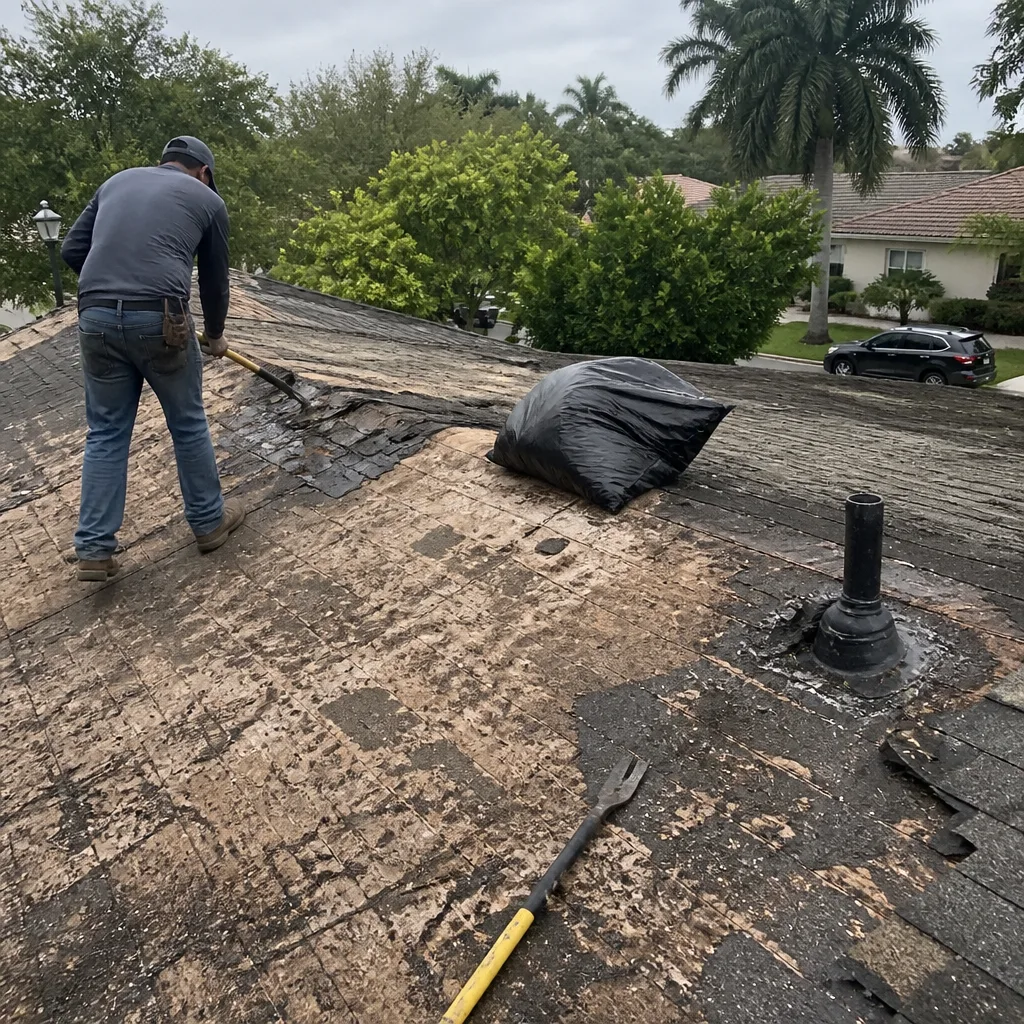 Before
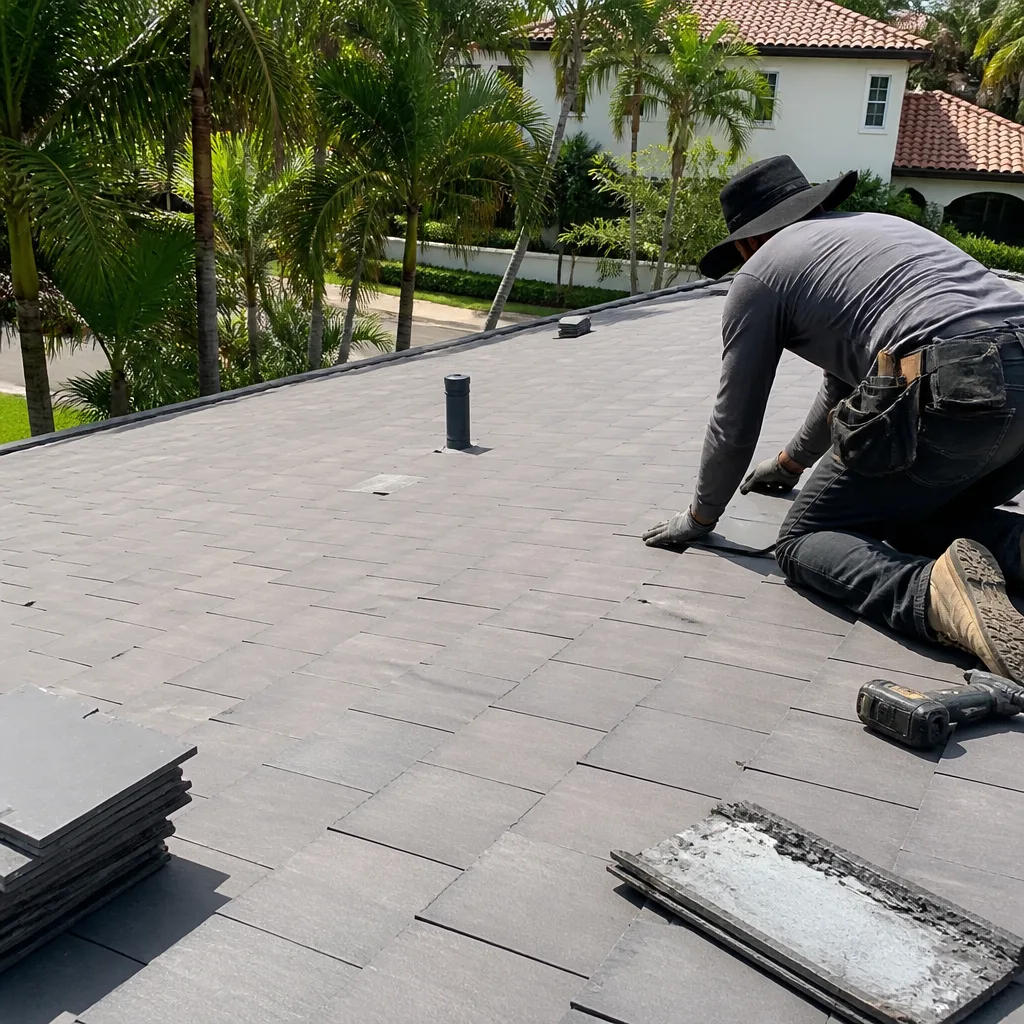 After
After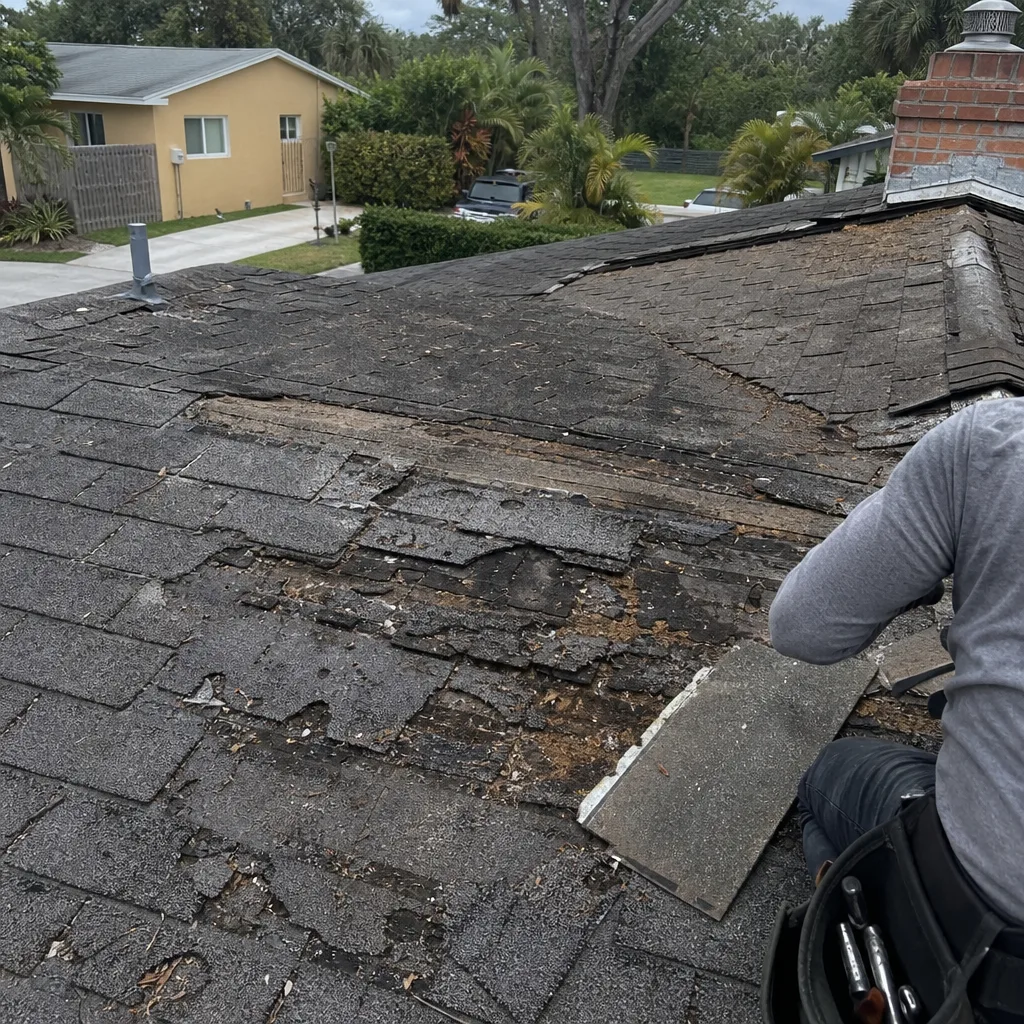 Before
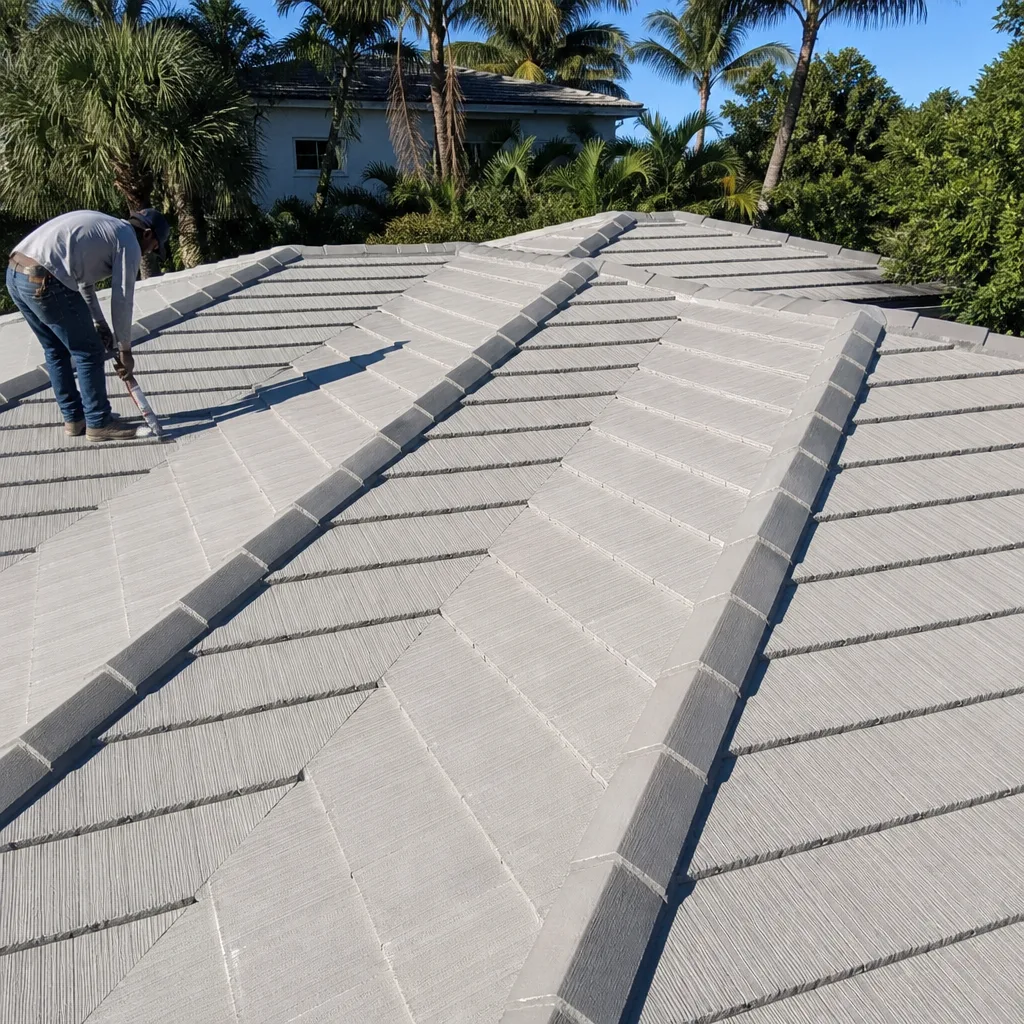 After
After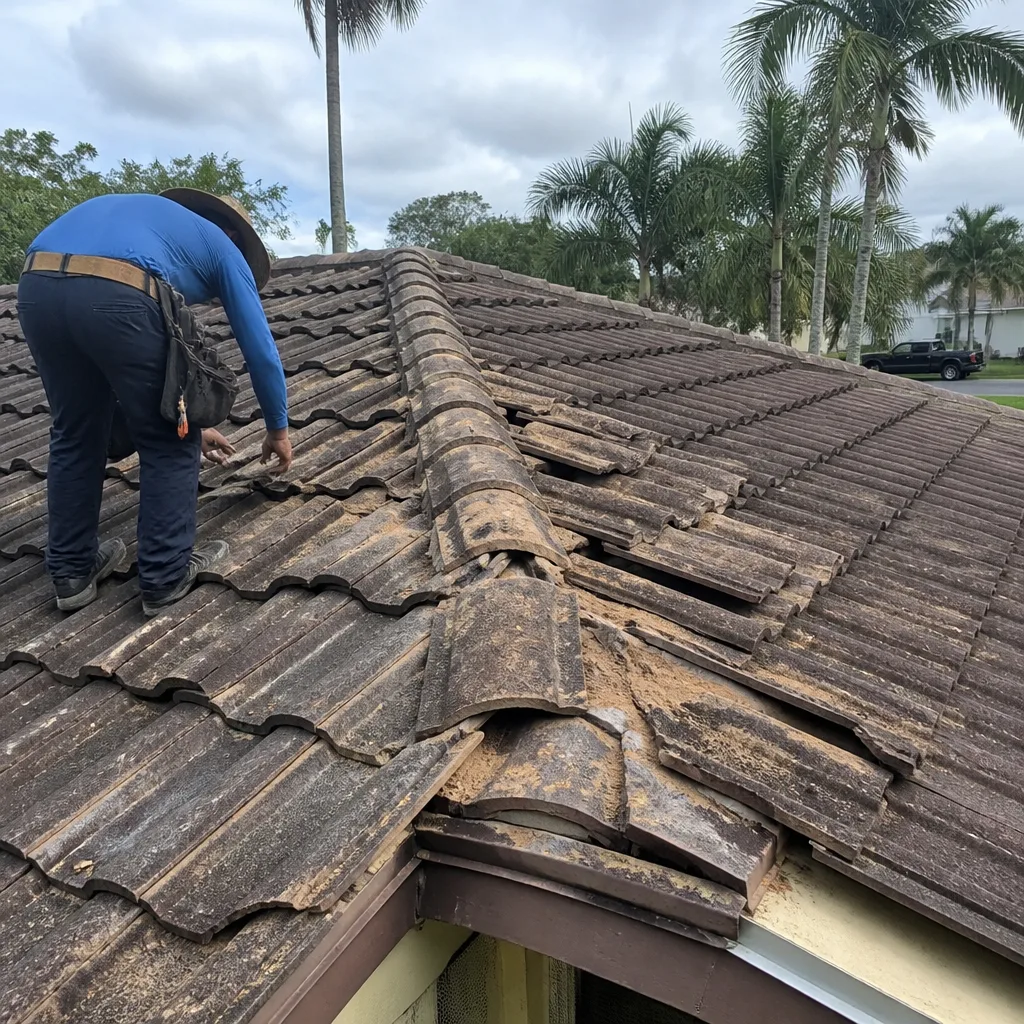 Before
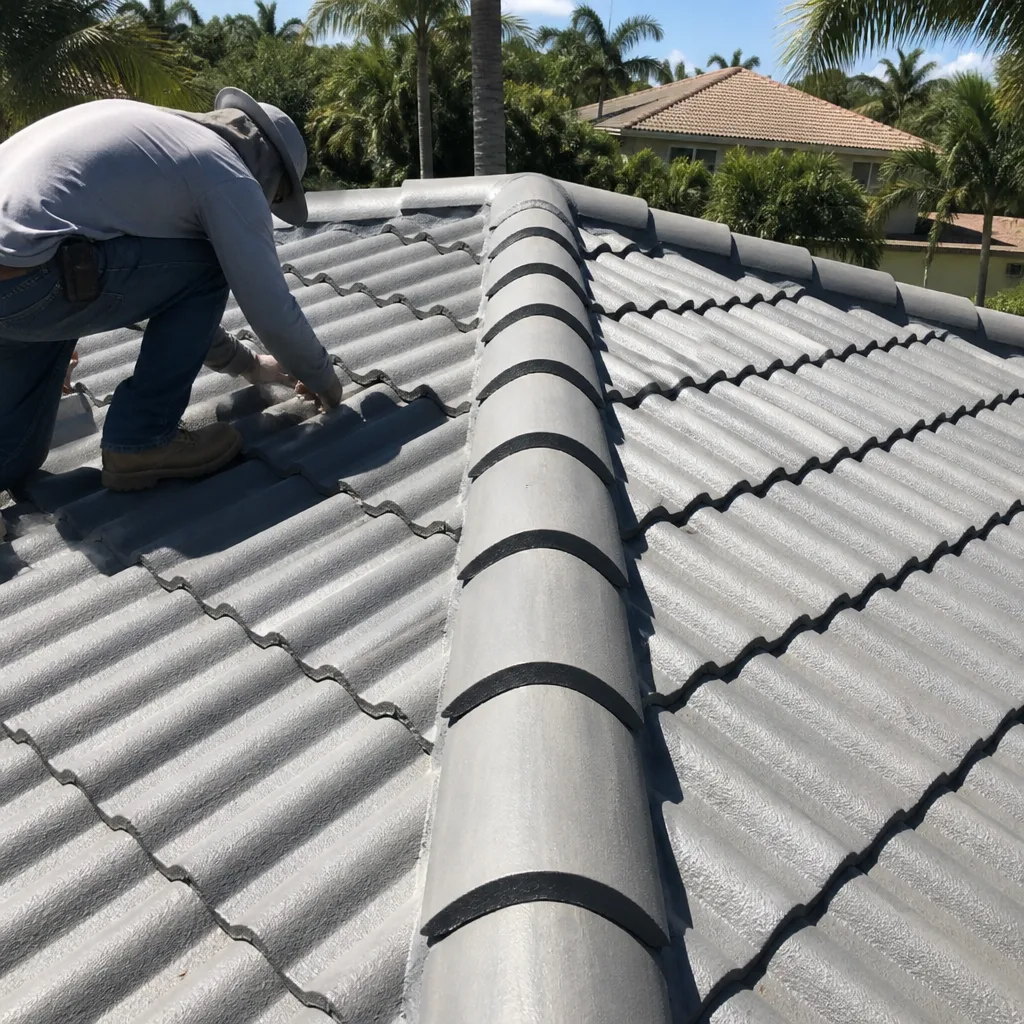 After
After