
Last updated October 17, 2026
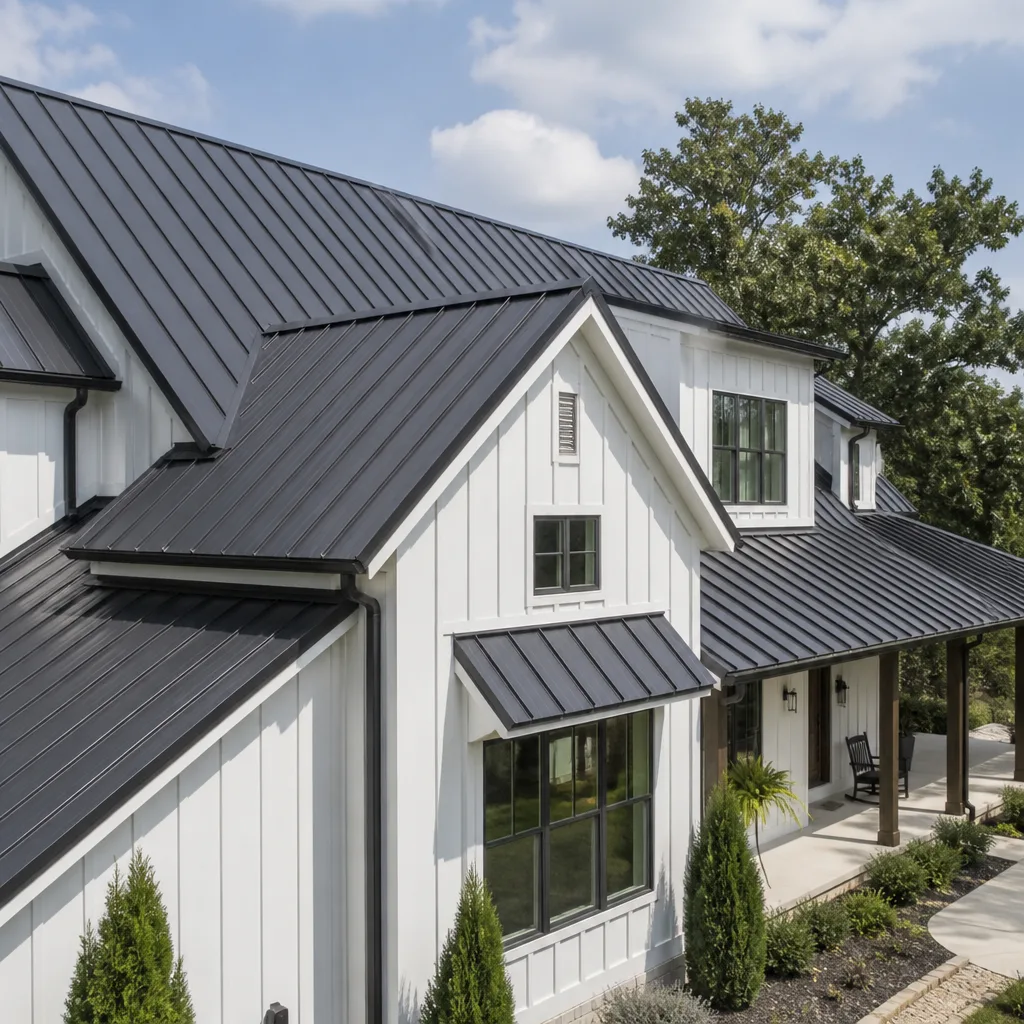 Metal roofing
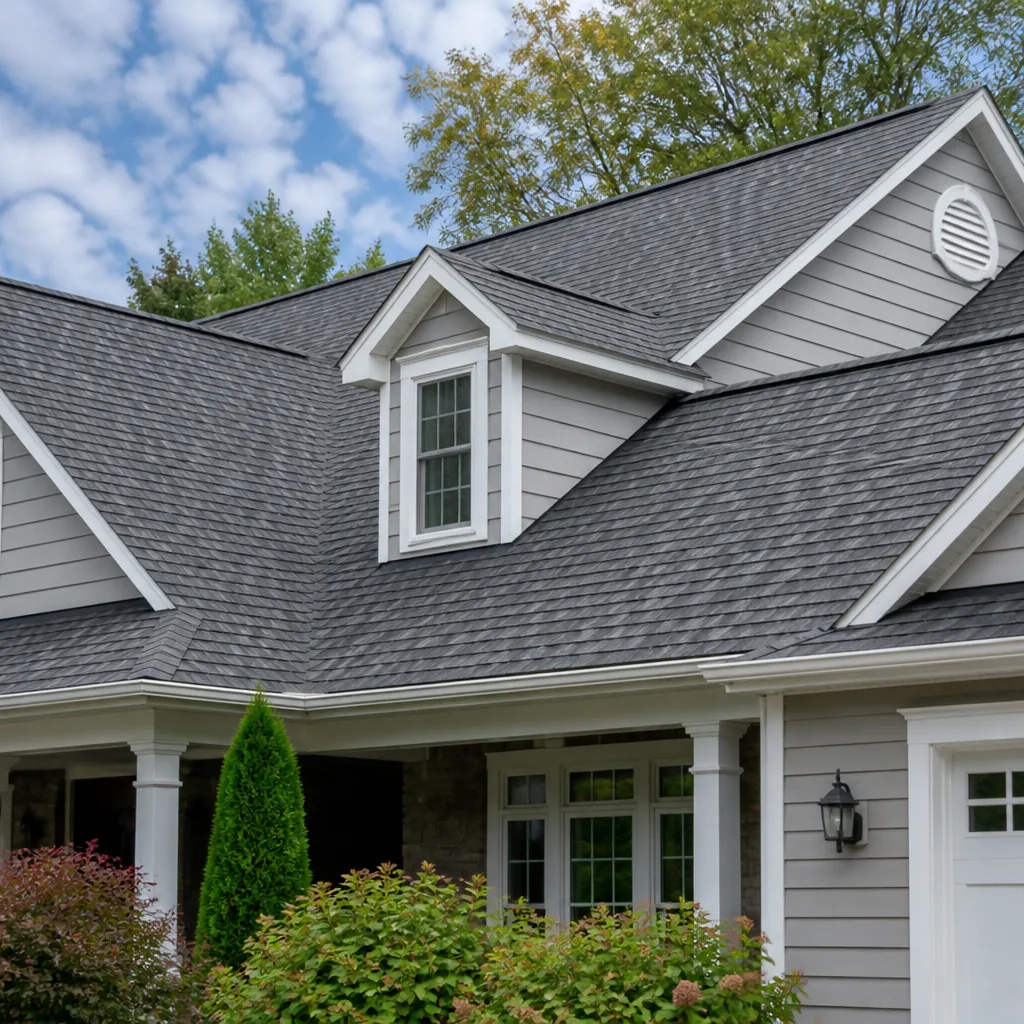 Architectural shingles
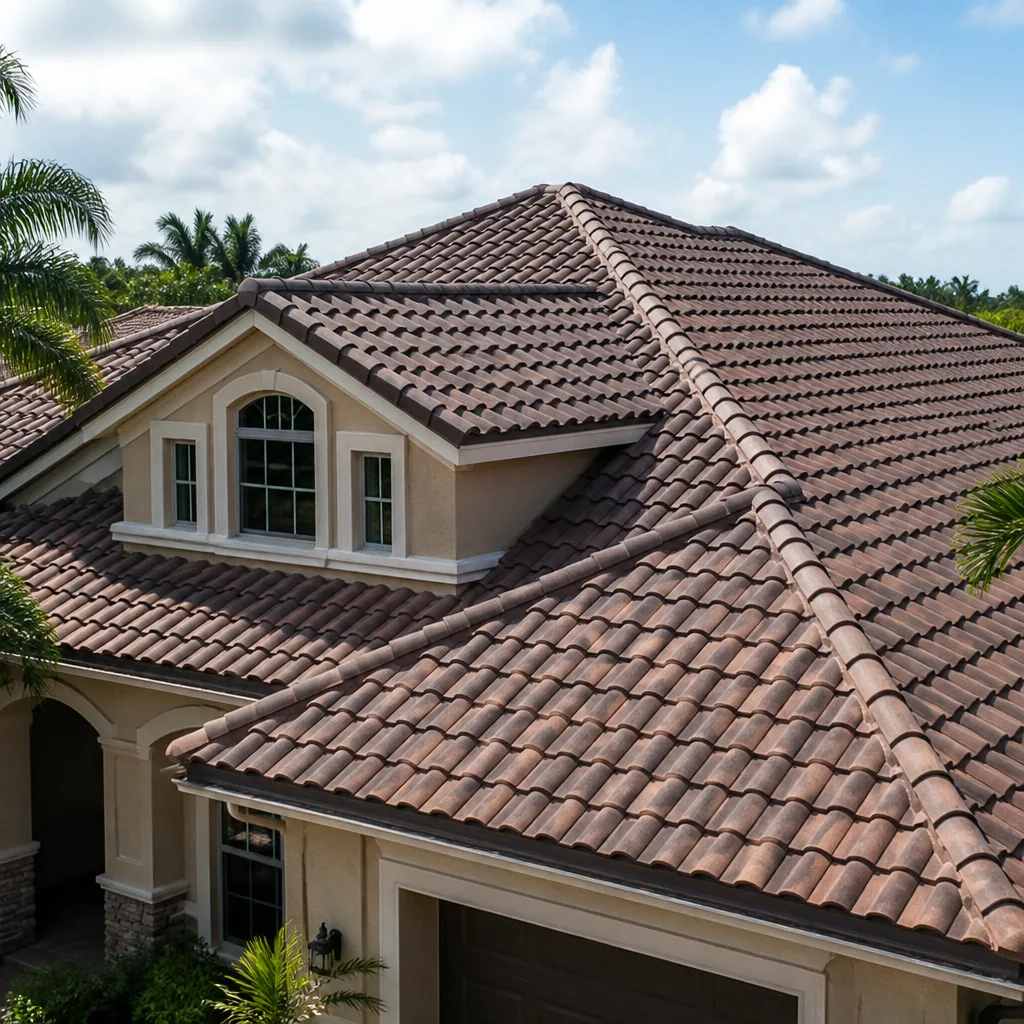 Tile roofing
 GAF
GAF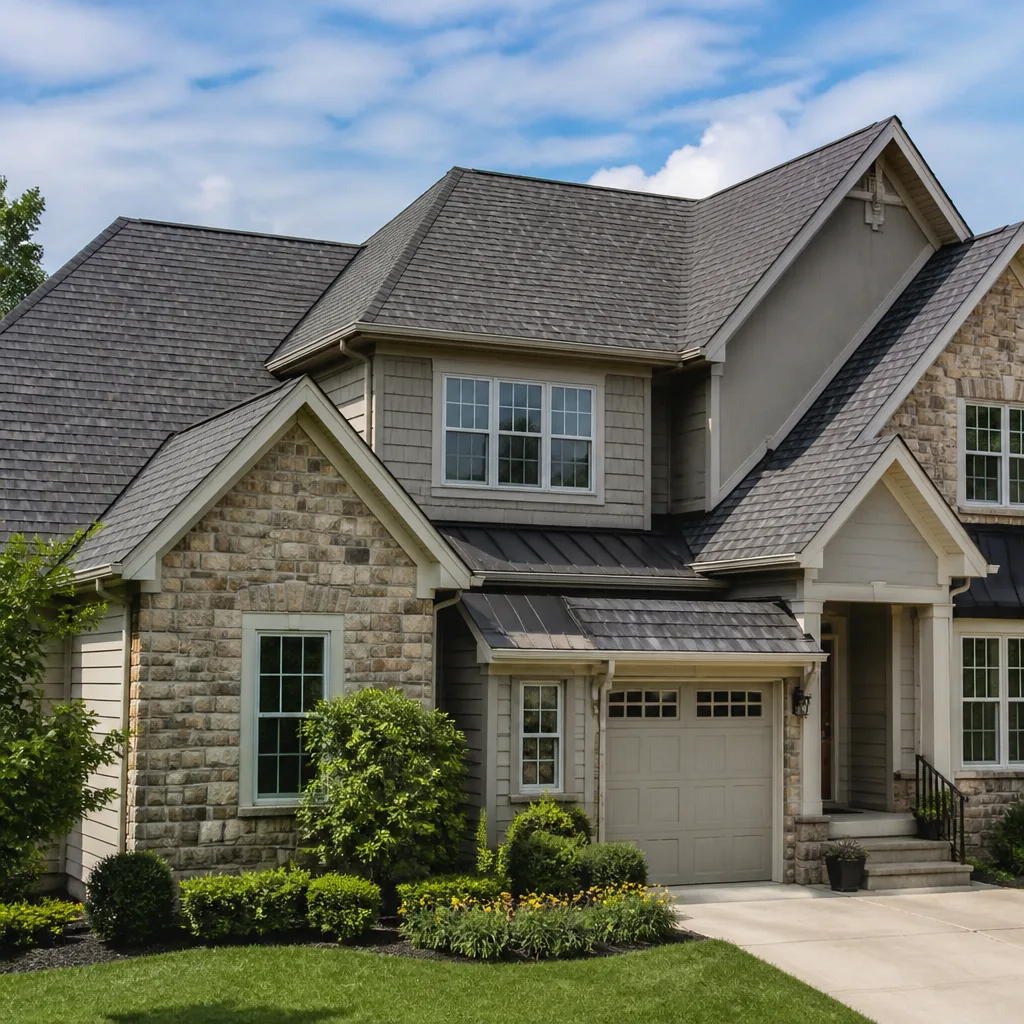 Owens Corning
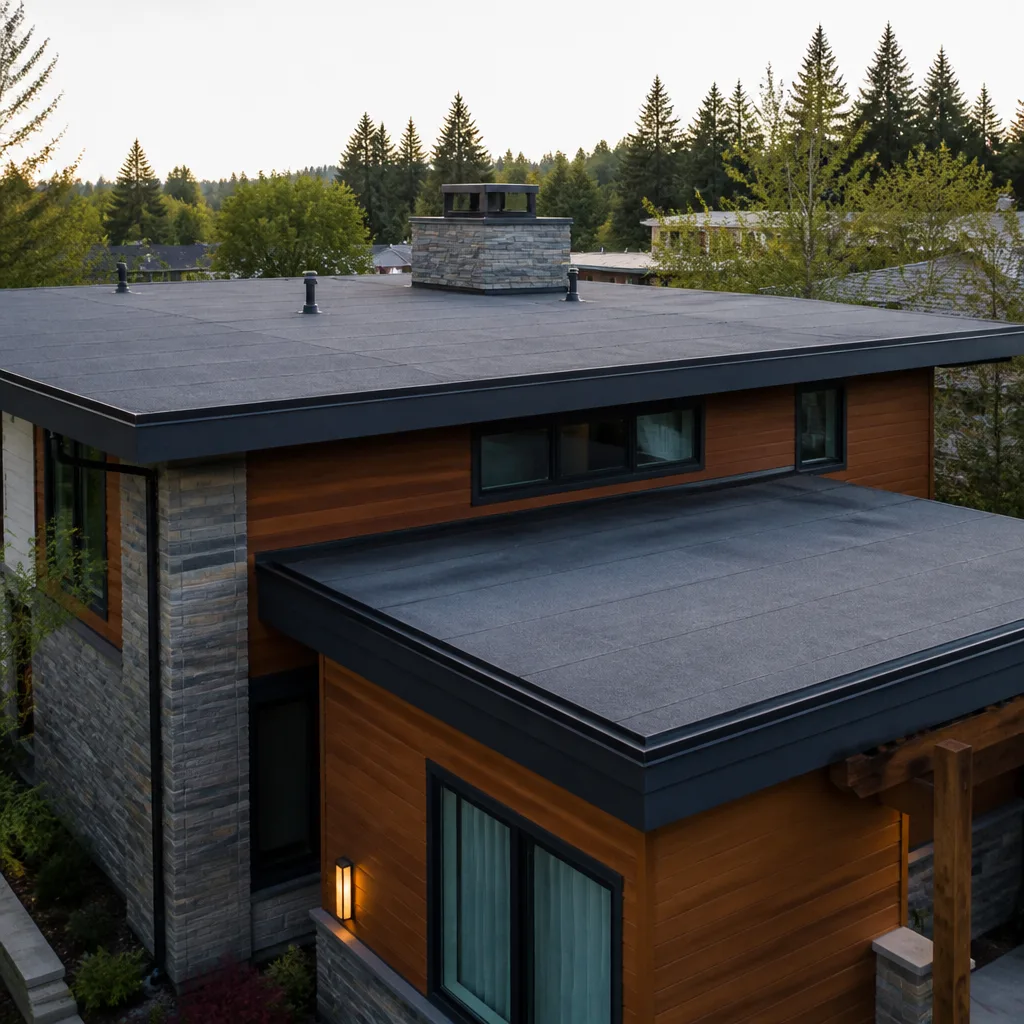 Flat & low-slope
Free roof inspection with deck photos before we talk money - GAF and Owens Corning certified installation
Roofing Permits, Codes & Inspections in FL: What You Need to Know
A Fort Lauderdale homeowner recently hit a wall at closing. The buyer’s title search turned up a roof replacement permit from four years earlier that had never been finaled. The inspection record showed one failed check, and nobody ever called it back in. The seller had to either get the roof re-inspected and finaled before the sale could move, or drop the price by the full cost of a new roof. That is not a rare story in Broward County. It happens often enough that every real estate attorney in Fort Lauderdale keeps a roofing permit checklist on file. The rule Florida homeowners learn the hard way is simple: a roof that is not permitted and finaled is not a roof in the eyes of the law, the county, or your insurance company.
This guide walks through the Florida roofing permit process step by step. You will learn exactly when a permit is legally required, how Broward County’s High Velocity Hurricane Zone (HVHZ) code differs from the rest of Florida, how to look up your own roof’s permit status online, what inspectors actually check, and what unpermitted work does to your insurance and your resale value. We are writing this from Fort Lauderdale, where these rules shape every roof we touch.
Quick Answer
In Florida, any roofing project that replaces, repairs, or alters more than 25% of a roof’s total surface area within any 12-month period requires a building permit. In Broward County, all permitted roofing work must also pass the stricter HVHZ code standard, which mandates specific attachment methods, underlayment specifications, and wind-driven rain protections that standard Florida Building Code minimums do not require. Unpermitted roofing work can void your insurance coverage, block a home sale at closing, and trigger a full re-roof requirement at resale.
Styles & brands we work with
Table of Contents
- When Florida Law Requires a Roofing Permit: The 25% Rule Explained
- HVHZ in Broward County: What Makes This Code Different
- How to Look Up Your Roof’s Permit and Inspection Status Online
- What Happens During a Broward County Roofing Inspection
- Unpermitted Roofing and Your Insurance: The Material Misrepresentation Clause
- Buying a Home With a Recently Repaired Roof: What to Verify Before You Sign
- What Roofing Permits Cost and How Long They Take in Fort Lauderdale
- Contractor Workarounds That Put Homeowners at Legal Risk
When Florida Law Requires a Roofing Permit: The 25% Rule Explained
Florida Building Code Section 105.1 states the baseline: any work that alters a building’s structure requires a permit. For roofing specifically, the practical threshold most contractors and inspectors apply is the 25% rule. If you replace, repair, or recover 25% or more of the roof surface in any 12-month period, the permit is mandatory. Walk under 25%, and the code treats the job as ordinary maintenance. Walk over it, and the county treats it as re-roofing, which brings the full permit, plan review, and inspection cycle with it.
The 25% threshold is measured across a rolling 12-month window, not per job. That creates a trap. A homeowner might do a 15% patch in March, then another 15% repair in September after a storm. Individually, each job sits under the line. Combined, the county sees 30% of the roof replaced in one year, and the second job crossed into permit territory. If that second contractor never pulled a permit, the homeowner is now the one holding the liability.
The intent of the rule is straightforward. Florida roofs face wind, rain, and hurricane pressure. The state wants structural roofing changes reviewed and inspected so a roof that fails does not become a flying debris hazard for an entire neighborhood. The enforcement, though, is uneven. Homeowners who do not know the rule cannot spot a contractor who quietly skips the permit to save time and filing fees. And when an unpermitted roof fails, the homeowner discovers the problem at the worst possible moment: during a claim, after a storm, or at resale-exactly the scenarios covered in our Roofing Warning Signs: A Fort Lauderdale Homeowner’s Reference Guide.
A re-roof in Fort Lauderdale almost always crosses the 25% line by a wide margin. A full tear-off is 100% of the surface. Even a large repair section around a valley or dormer can hit 30 to 40 square feet, which on a 1,800-square-foot home is often over the threshold. When in doubt, pull the permit. The filing fee is a rounding error compared to the cost of curing an unpermitted roof at closing.
HVHZ in Broward County: What Makes This Code Different
Broward County and Miami-Dade County are the only two counties in Florida designated as a High Velocity Hurricane Zone. The HVHZ standard overrides the baseline Florida Building Code with stricter requirements in three areas: roof deck attachment, underlayment, and flashing. A roof that meets state minimums but misses HVHZ details will fail a Broward County inspection and cannot be finaled.
The first big difference is attachment. HVHZ requires the roof deck, usually plywood or OSB panels, to be fastened to the trusses with specific nail patterns and sizes. In a standard Florida code zone, the nail schedule is less demanding. In Broward, the goal is to keep the entire roof deck on the frame during a Category 4 or 5 wind event. Inspectors measure nail spacing. They check for ring-shank nails. They verify the deck was re-nailed to current schedule if an old roof is being re-covered.
Underlayment is the second layer of defense, the waterproof barrier between the deck and the shingles. Standard Florida code allows a single layer of synthetic or felt underlayment depending on slope. HVHZ in Broward requires specific ASTM-rated synthetic underlayment or a double-layer felt system on many roof slopes, with sealed vertical and horizontal laps. The underlayment has to be rated for the wind pressures the HVHZ assumes, and the inspector will check the product label right on the roof.
Flashing, which means the metal strips that seal joints around chimneys, skylights, vents, and wall intersections, gets a harder standard too. HVHZ flashing specs call for heavier-gauge metal, wider embedment into the wall or curb, and specific sealant applications. In Fort Lauderdale’s salt air and afternoon storm cycle, flashing failure is the leading cause of leak calls we see, and it is one of the most common inspection findings when a prior contractor cut a corner.
What this means for a homeowner is practical. A roofer who works all over Florida may quote a Broward job based on the looser state standard. The price looks better. The permit gets pulled anyway, or it gets skipped. Either way, the final product may not meet HVHZ. When you hire in Fort Lauderdale, you need a roofer who can talk specifics about the Broward HVHZ amendments, not one who treats Miami and Orlando as the same job. Roof Replacement in Fort Lauderdale under HVHZ rules is a different scope than a replacement in Tampa. We price and build to the Broward standard on every job, because there is no point building a roof that cannot pass final inspection.
How to Look Up Your Roof’s Permit and Inspection Status Online
Broward County maintains an online permitting portal where any property owner can pull the full permit history for an address. You do not need a login to search by address or folio number. The portal shows every permit ever pulled on the property, the status of each one, the inspection types scheduled and completed, and the final disposition.
Here is the plain-English walkthrough:
- Open the Broward County ePermits OneStop portal. Search “Broward County building permit search” and choose the official broward.org result.
- Select “Building” from the search categories and enter your street number and street name. Do not include the direction prefix or street type. The system will show matching addresses.
- Click your address and open the permit list. Every permit in the property’s history shows here, with the trade type (roofing, plumbing, electrical, etc.) and the date issued.
- Look specifically for roofing permits. Any permit listed as “Issued” but not “Final” or “Complete” means the work was pulled but never closed out. That is the status that creates the title problem at resale.
- Open any roofing permit and review the inspection record. You will see inspection types like “In Progress,” “Sheathing,” “Final Roof.” A red X or a “Failed” notation means an inspector flagged something and no one ever called for reinspection.
The portal will also show the contractor name on the permit. That matters because the permit belongs to the contractor, not the homeowner. In Florida, the licensed contractor pulls the roofing permit under their license number. If that contractor is gone, retired, or unresponsive, the homeowner cannot simply close the permit alone. They need to hire a licensed roofer to assess the roof, correct any deficiencies, and call for the final inspection under a new permit or a permit transfer. That is a cost homeowners rarely expect.
You can also call the Broward County Building Code Division directly. The phone line is slower, but a records clerk can confirm whether a specific address has open permits. For a fast self-service check, use the portal. It works better than waiting on hold.
What Happens During a Broward County Roofing Inspection
A Broward County roofing inspection is a physical visit by a county inspector to the job site. The inspection type varies by project. A full tear-off and re-roof typically triggers multiple inspections: a sheathing or deck inspection after the old roof is stripped and before underlayment goes down, sometimes a mid-roof inspection for underlayment and fastening verification, and a final inspection once shingles, flashing, and ridge caps are complete.
The inspector verifies that the work matches what the permit application described. For a shingle roof, that includes the shingle brand and rating, the underlayment type and lap details, the nail pattern on the deck, the flashing installation at penetrations and intersections, and the finished slope and drainage. The inspector also confirms the roof meets the HVHZ wind-load requirements for the specific roof zone and building height.
If the inspector passes the job, the permit moves to “Final” status. That final status is the legal proof that Broward County reviewed and accepted the roofing work. It is the document your insurance company checks after a claim and the document a title company checks before a sale. A roof with no permit record or an un-finaled permit does not provide that proof.
If the inspector fails the job, the contractor receives a correction notice with specific findings. The fix might be as small as adding fasteners at the eaves or as large as tearing off a section and re-doing the underlayment. The contractor must correct the issue and call for a reinspection. This is where the process breaks down for homeowners. Some contractors get paid, fail the final, and never return. The permit stays open. Months or years later, the homeowner learns about the open permit during an insurance renewal, a refinance, or a home sale. That unresolved failure becomes a title encumbrance: the legal record shows no compliant roof on the property. In our experience in Fort Lauderdale, the most common reason a roof permit is never finaled is contractor abandonment, not a failed inspection on the merits.
Unpermitted Roofing and Your Insurance: The Material Misrepresentation Clause
Florida homeowners insurance policies contain a material misrepresentation clause. In blunt terms, the policy says that if the insured fails to disclose a fact that would have changed the insurer’s decision to write the policy or the premium the insurer would have charged, the insurer can deny a claim or rescind the policy. Unpermitted roofing work fits that clause directly.
Here is how it plays out. A homeowner has a roof replaced without a permit, or inherits an unpermitted roof when they buy the home. They apply for insurance or renew an existing policy. The application asks: “Has any work been done on the property without permits?” or “Are all improvements permitted?” The homeowner answers no or does not know, because no one ever told them the roof was unpermitted. Later, a storm damages the roof. The insurer’s adjuster checks the county permit record, finds no roofing permit, and the claim gets denied on material misrepresentation grounds. The homeowner is out the roof replacement cost, which on a Fort Lauderdale home can run $12,000 to $25,000 or more.
The insurance angle is not hypothetical. After major storms, Florida insurers run bulk permit checks against claims in affected ZIP codes. Any address with recent roofing work and no corresponding permit gets flagged for denial or further investigation. The enforceability of the denial depends on policy language and whether the insured knowingly misrepresented, but insurers rarely need to win in court. They just need the denial to stand long enough to outlast the homeowner’s patience and resources.
For a roofer, skipping the permit can be a selling tactic: lower price, faster start, no county involvement. For the homeowner, that savings converts into a latent liability that sits on the title until it costs far more than the permit ever would. We will say it plainly: a roofer who offers to skip the permit is not doing you a favor. They are handing you a legal problem and walking away.
Buying a Home With a Recently Repaired Roof: What to Verify Before You Sign
If you are buying a home in Fort Lauderdale and the listing says “new roof” or “roof replaced 2023,” do not take the listing sheet at its word. Verify the roofing permit yourself. The process takes ten minutes on the Broward County portal and can prevent the closing-table scenario described at the top of this guide.
Here is the verification checklist we recommend to buyers before signing anything:
- Pull the property’s permit record on the Broward County portal and confirm a roofing permit exists with a date matching the claimed roof replacement.
- Confirm the permit status reads “Final” or “Complete.” Any other status means the permit is open and the roof has no county-approved final inspection on record.
- If the status is not final, ask the seller to cure it before closing. That means the seller hires a licensed roofer to bring the roof to code and close the permit. The seller pays for this, not the buyer. Put it in the contract as a condition of closing.
- If no permit exists at all, treat the roof as a known defect and price the purchase accordingly. An unpermitted roof means the buyer inherits the full cost of a future permit, inspection, and possibly re-work to bring the roof to HVHZ compliance.
- Ask the seller for any roofing invoices, material receipts, and the contractor’s license number. Cross-check the contractor’s license status with the Florida Department of Business and Professional Regulation.
Title insurance usually does not cure unpermitted work. A title policy protects against defects in the title record, not building code compliance. Some policies exclude unpermitted additions or improvements entirely. The street-level reality in Broward County is that an unpermitted roof becomes a negotiation point at closing, and the party who discovers it first wins.
If you are the seller and know your roof was replaced without a permit, the honest move is to cure it before listing. Get a licensed roofer to assess the roof, open a permit if required, pass the inspection, and close the file. The cure costs less than the price concession you will give at closing, and it keeps the sale from collapsing in the final week. Roof Repair in Fort Lauderdale work that has been permitted, inspected, and finaled is an asset you can advertise. Unpermitted work is a liability you can only hide for so long.
What Roofing Permits Cost and How Long They Take in Fort Lauderdale
Roofing permit fees in Broward County are calculated from the job valuation, which is the total contract price including materials and labor. For a typical residential re-roof, the permit fee range in Fort Lauderdale generally runs between $150 and $450 depending on the project scope and square footage. That is the permit fee itself. The full cost of compliance also includes plan review, inspections, and any required engineering, which is usually folded into the contractor’s quote.
On timeline, a simple re-roof permit in Fort Lauderdale typically takes 1 to 3 weeks from application to issuance, sometimes less when the contractor’s paperwork is complete and the plans are straightforward; for a full year-round maintenance schedule, see our Seasonal Roofing Care for Fort Lauderdale: Year-Round Homeowner’s Guide. Complicated roofs with steep slopes, custom flashings, or older structures may take longer in review. The permit review timeline runs concurrent with material ordering and scheduling, so a competent roofer applies for the permit the same week the contract is signed and the roof goes in as soon as the permit is issued.
Every roofing contract should itemize the permit cost as a separate line item. If the contract lumps it into a single “total” with no breakdown, ask for the permit fee to be written out. A written price before any work starts is how Crestview Roofing Co Fort Lauderdale home runs every project. The number on the page is the number on the invoice, and the permit fee is never a surprise added at the end.
Contractor Workarounds That Put Homeowners at Legal Risk
The permit requirement is clear. The workarounds are also clear, and they are repeated across Fort Lauderdale every week. Homeowners should know these patterns by name.
The first workaround is the cash discount. The roofer offers a lower price for cash with no permit pulled. The homeowner saves a few hundred dollars on the filing fee and the roofer saves the review time. The homeowner also gives up the inspection, the code verification, and the legal record. That is a bad trade on a roof that has to survive a hurricane.
The second workaround is the 25% under-report. The roofer describes a full tear-off as a “large repair” and keeps the scope under the threshold to avoid the permit. The problem is the work physically exceeds 25% of the surface, and the county will see it in the satellite or aerial imagery they use to compare current conditions against permit records when a complaint or claim comes in. The workaround only works until someone looks.
The third workaround is the permit-in-name-only. The roofer pulls the permit, starts work, gets paid, and never calls for the final inspection. The permit sits open. The homeowner sees a permit number and assumes the job was done legally. Years later, the title search surfaces the un-finaled permit, and the roofer is out of business.
The defense against all three is documentation. A written contract with the permit fee itemized. A written price before work starts. A written guarantee on the work. Photo documentation of the job before and after. We do all of that on every project through Roof Installation in Fort Lauderdale, the Relay Standard process, and our 365-Day Done Right Promise. If it is not done right, we make it right: every repair is covered for a full year, in writing, included with every job. The permit is part of the job. It is not optional.
Common Mistakes to Avoid
- Trusting the listing sheet without pulling the permit record. A listing that says “new roof” means nothing until the Broward County portal shows a finaled roofing permit. Ten minutes of your time beats a five-figure surprise.
- Paying the final invoice before the final inspection passes. Once the roofer has full payment and no incentive to close the permit, the un-finaled file becomes your problem. Tie final payment to the final inspection.
- Assuming a permit is not needed because the roofer says so. The roofer is not the party who bears the legal risk if the county disagrees. You are. When the scope is anywhere near 25% of the roof surface, pull the permit.
- Buying a home with an un-finaled permit and hoping the title company catches it. Many title searches flag open permits, but not all do, and title insurance typically does not cure code compliance defects. Verify it yourself before you sign.
- Using a roofer who quotes state minimums for a Broward County job. HVHZ requirements are stricter in Broward and Miami-Dade. A quote built on standard Florida code will fail inspection or, worse, pass visually and fail structurally in a storm.
- Assuming your insurance company will figure it out and pay anyway. Florida insurers run permit checks against storm claims. An unpermitted roof is a claim denial waiting to happen. Verify your roof’s permit status before you file, not after.
- Skipping the permit to save the filing fee. The permit costs a few hundred dollars. The cure for an unpermitted roof, measured in re-inspection fees, new contractors, insurance gaps, and closing concessions, runs into the thousands or tens of thousands.
See the difference
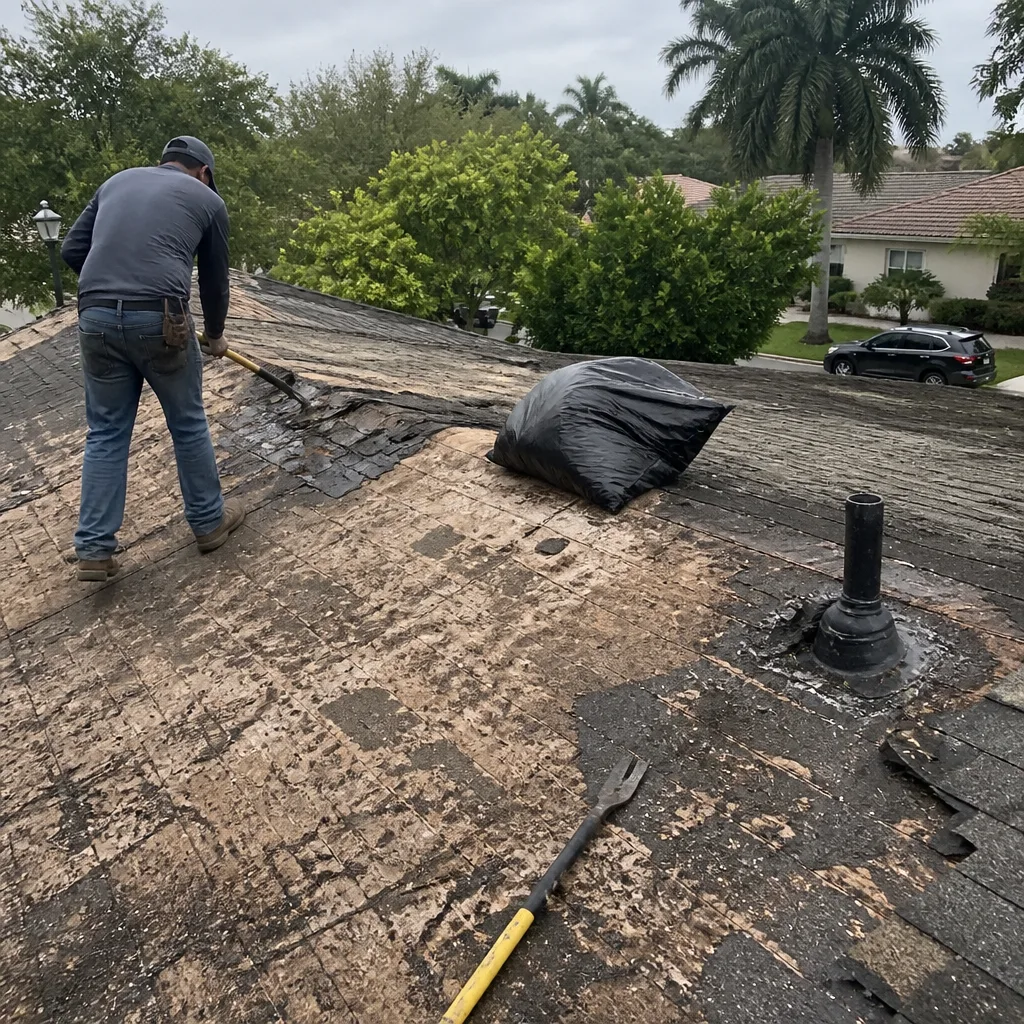 Before
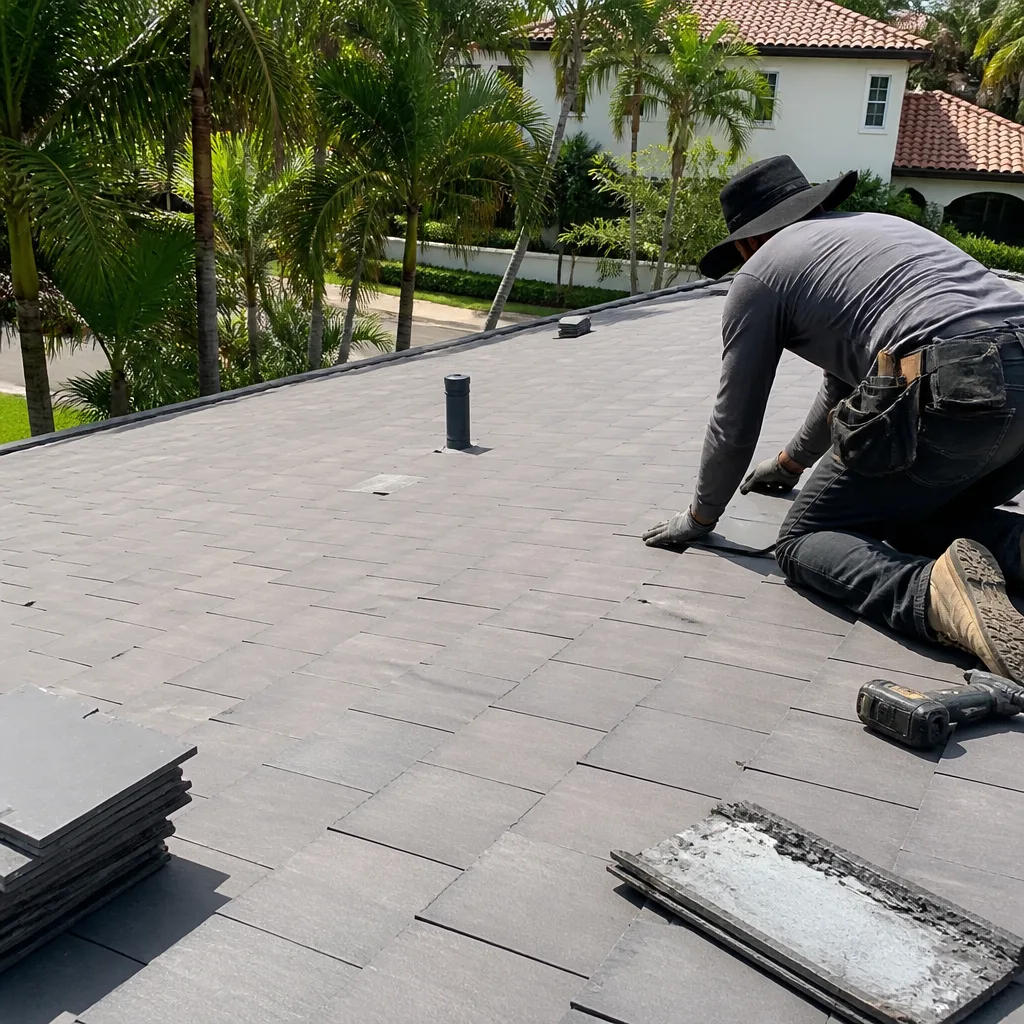 After
After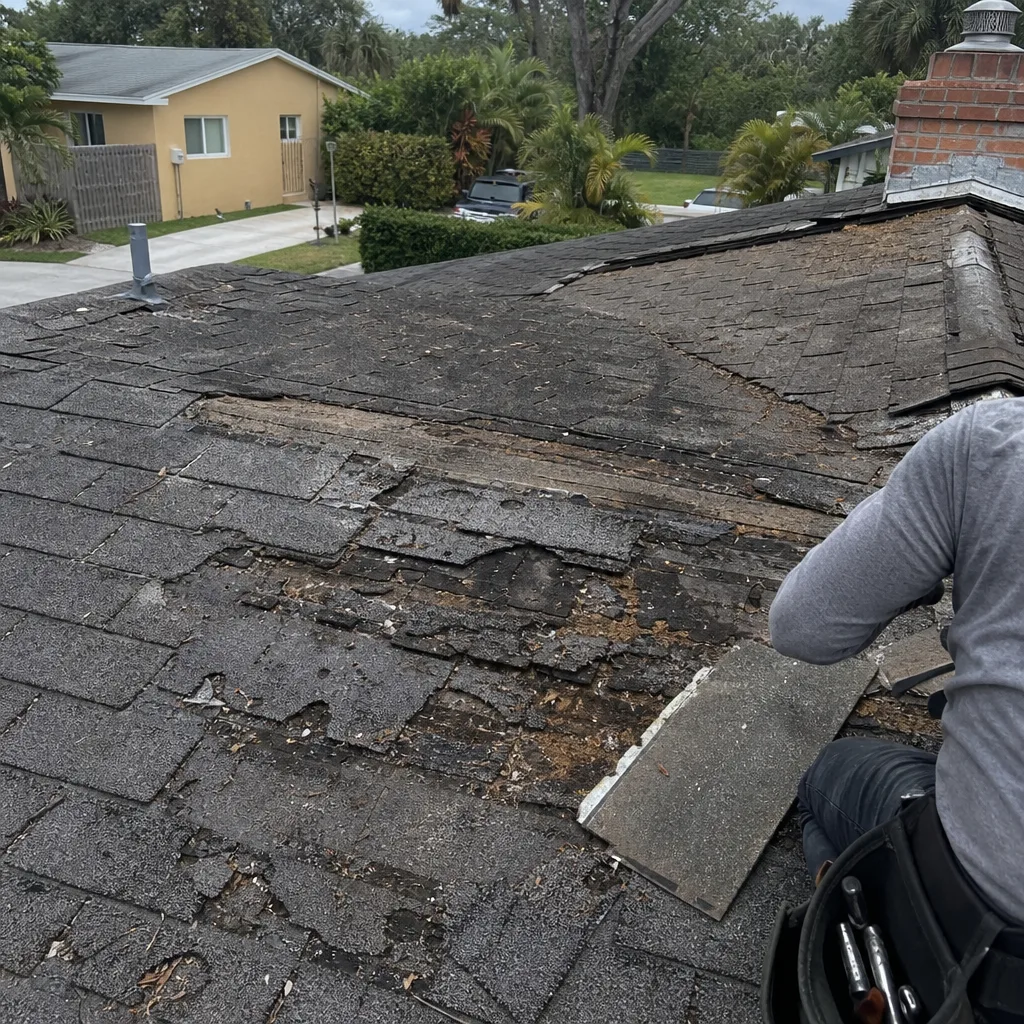 Before
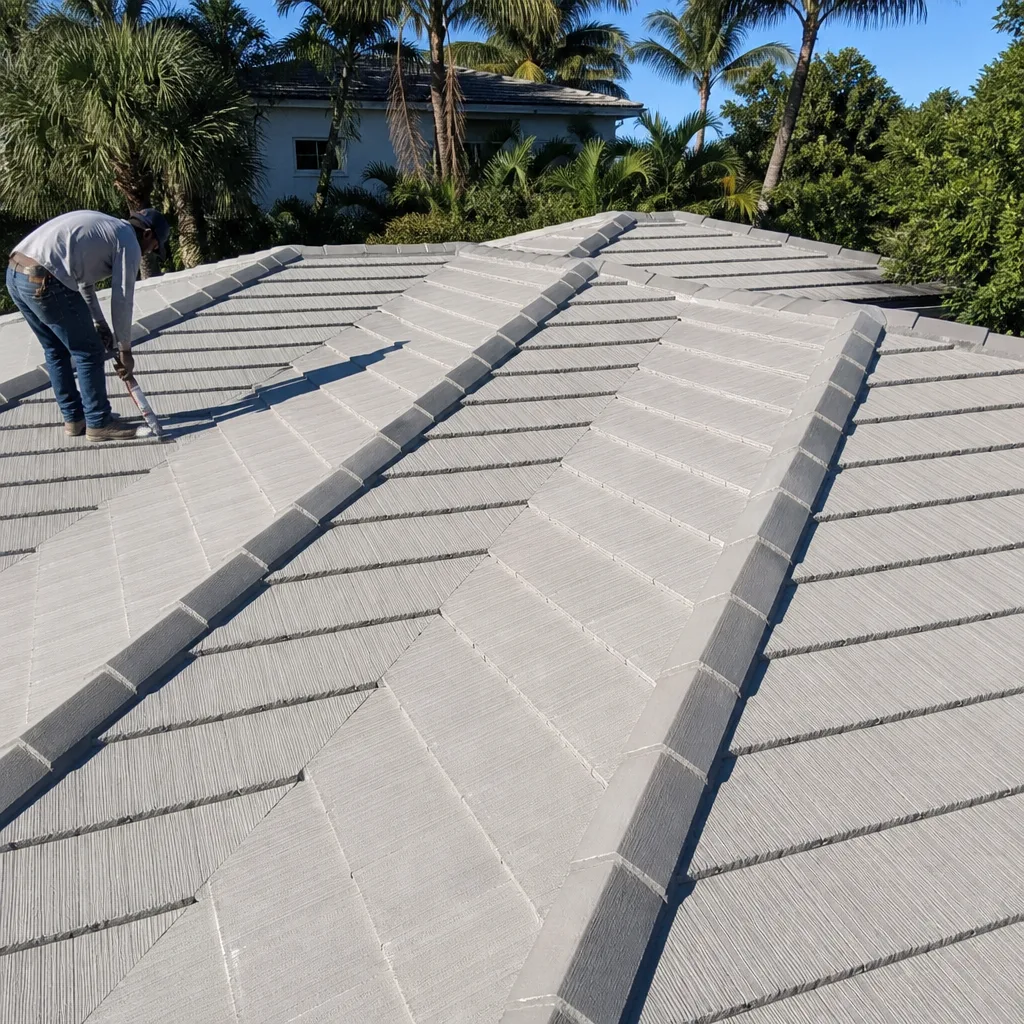 After
After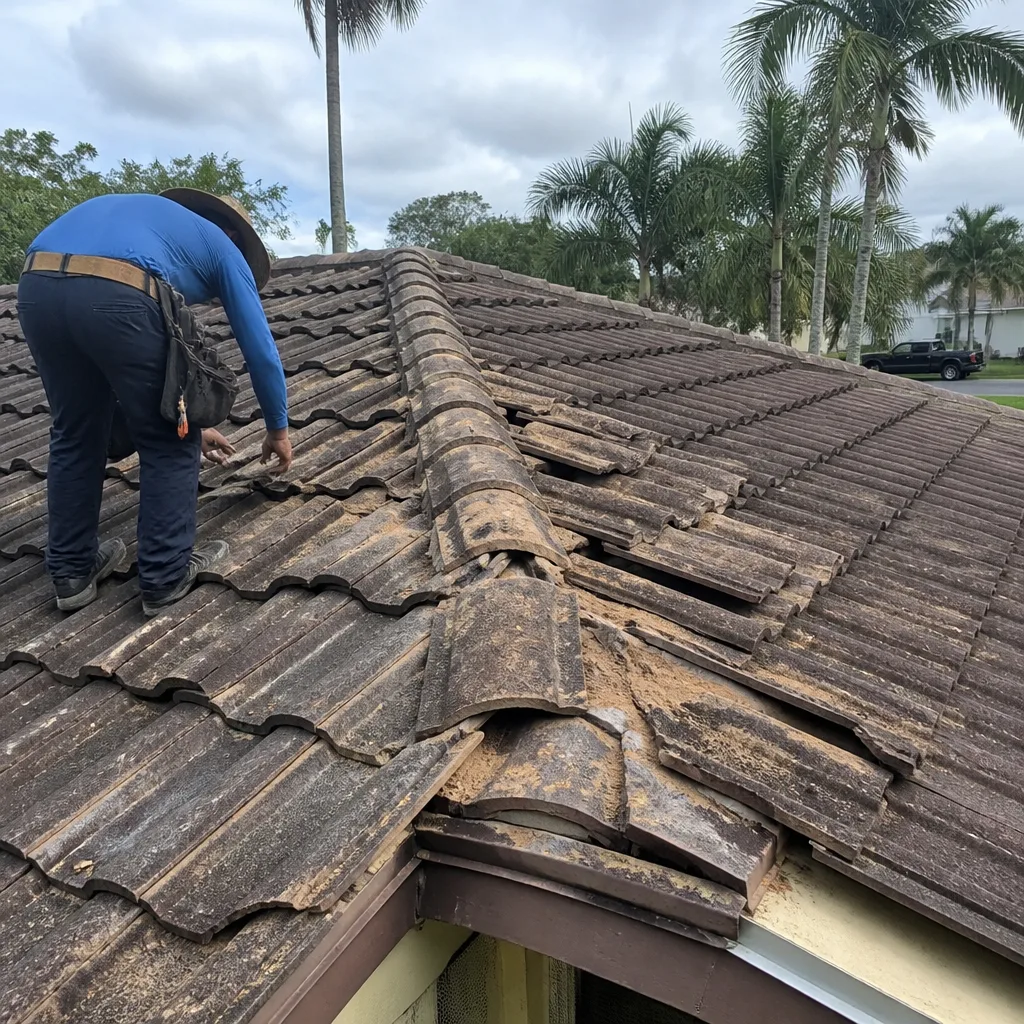 Before
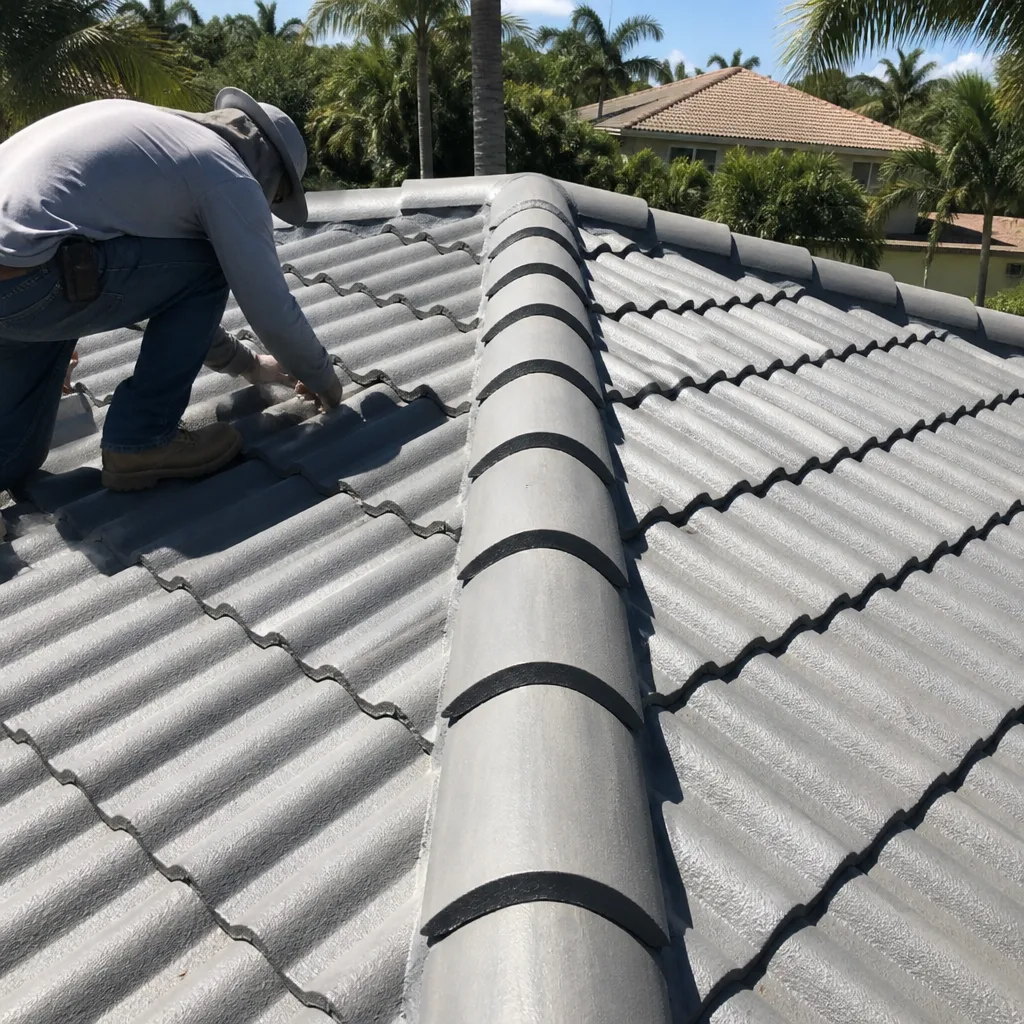 After
AfterWhen to Call a Professional
Call a professional the moment you discover your roof has an open permit, a failed inspection, or no permit record at all and you are planning to sell, refinance, or file an insurance claim. The clock is not on your side once the problem surfaces. The same applies if a contractor tells you a permit is unnecessary for a job that clearly crosses the 25% threshold, or if you are buying a home in Fort Lauderdale and the seller cannot produce a finaled roofing permit matching the claimed roof replacement. These situations require a licensed roofer who knows the Broward County HVHZ code and has pulled and closed permits in this county. Crestview Roofing Co Fort Lauderdale offers free estimates in Fort Lauderdale. Call (754) 354-8628 and we will pull the permit history on your address, assess the roof, and tell you exactly what it takes to make the record right.
Frequently Asked Questions
You need a permit if the shingle replacement covers 25% or more of the roof surface within any 12-month period. A small isolated shingle patch may fall under ordinary maintenance, but a full or partial re-roof over the threshold always requires a Broward County permit and a final HVHZ inspection. Call (754) 354-8628 if you are not sure whether your job crosses the line, and our team at Crestview Roofing Co Fort Lauderdale will check the scope against the code.
The 25% rule is the Florida Building Code threshold that triggers a permit requirement when 25% or more of a roof’s surface area is replaced, repaired, or recovered within a 12-month period. Separate smaller jobs that add up to 25% or more in a single year also count. The rule exists so structural roofing changes are reviewed by the county and inspected before the roof becomes a wind-load hazard.
Residential roofing permits in Fort Lauderdale generally cost between $150 and $450 depending on the job valuation and project scope. The exact fee is calculated from the contract price, and your roofer should itemize it on the written estimate. Call (754) 354-8628 for an exact quote on your specific roof, and we will include the permit fee as a line item we quote before any work starts.
An unpermitted roof can invalidate your insurance coverage, block a home sale at closing, and require a full code-compliance assessment before the property can change hands. The cure usually involves hiring a licensed roofer to inspect the roof, open a permit, correct any HVHZ deficiencies, and call for the final Broward County inspection. The responsible step is to address it before you sell, not during escrow.
You can list it, but the unpermitted roof will almost always surface during the buyer’s due diligence or the title search, and the buyer will demand a price concession or a cure before closing. In Broward County, where HVHZ inspections are strict, the cost of curing the roof is often higher than the original permit would have been. The better move is to cure it first and sell a roof with a finaled permit in hand.
The permit review typically takes 1 to 3 weeks for a standard re-roof, and the on-site work for a typical Fort Lauderdale single-family home takes 2 to 5 days depending on the size, pitch, and the number of penetrations. The full timeline from contract to final inspection is usually 3 to 6 weeks. We schedule the permit application the same week the contract is signed so the review does not delay the build.
The Bottom Line
In Florida, a roof is only as real as its permit record. The 25% threshold, the Broward County HVHZ standard, the final inspection, and the insurance policy all connect to one fact: an unpermitted or un-finaled roof is a liability that grows quietly until a title search or a claim turns it into a crisis. Fort Lauderdale’s code is stricter than most of Florida for a reason: the hurricane wind loads here are extreme, and the county verifies every roof against that standard. Whether you are buying, selling, repairing, or just checking the status of your own roof, the ten-minute portal search is the highest-value roofing investment you can make. And if the search turns up a problem, the fix is a call away: Crestview Roofing Co Fort Lauderdale pulls permits, passes inspections, and finales every file. For more guides & resources, visit our blog. We quote the price before work starts and we stand behind the roof after the inspection closes. Call (754) 354-8628 for a free estimate in Fort Lauderdale. No surprises, no open permits, no loose ends.
Written by Dylan Pace, Owner at Crestview Roofing Co Fort Lauderdale, serving Fort Lauderdale since 2000.