
Last updated October 17, 2026
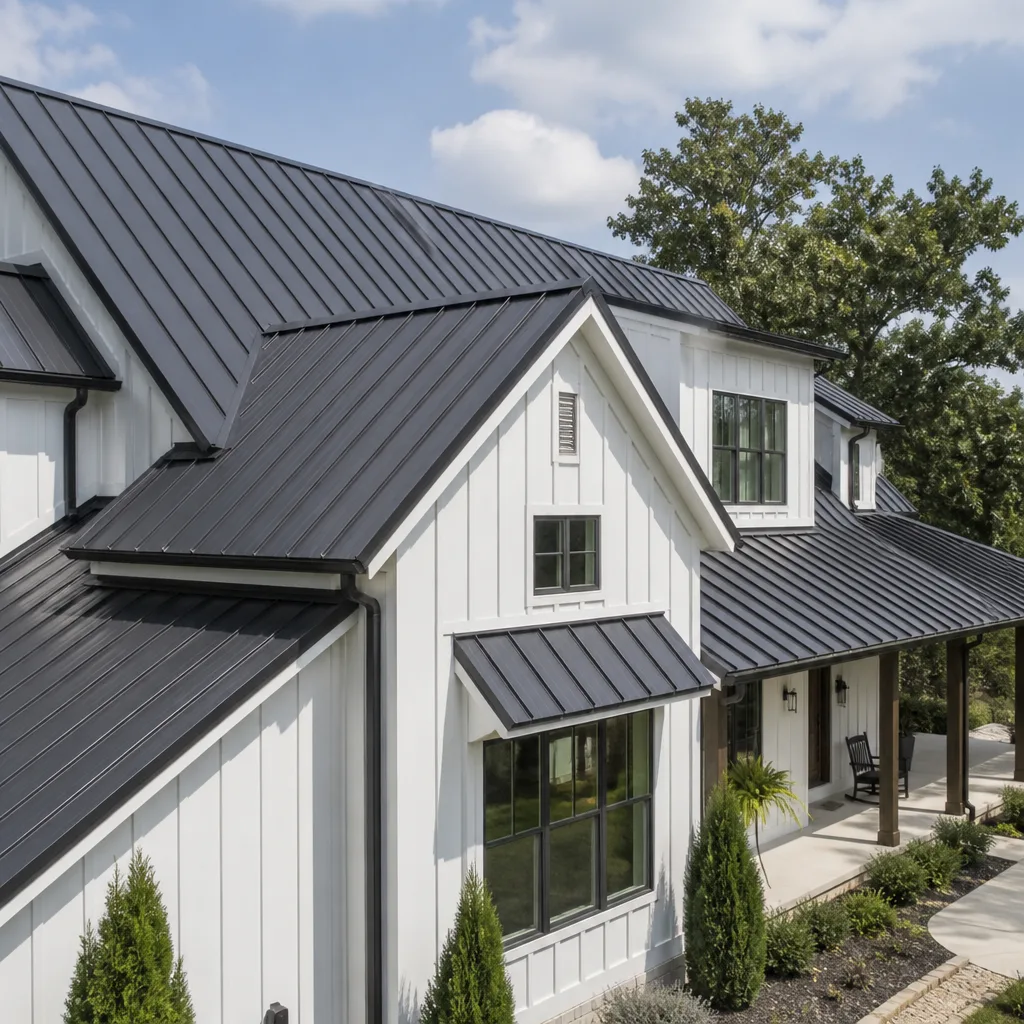 Metal roofing
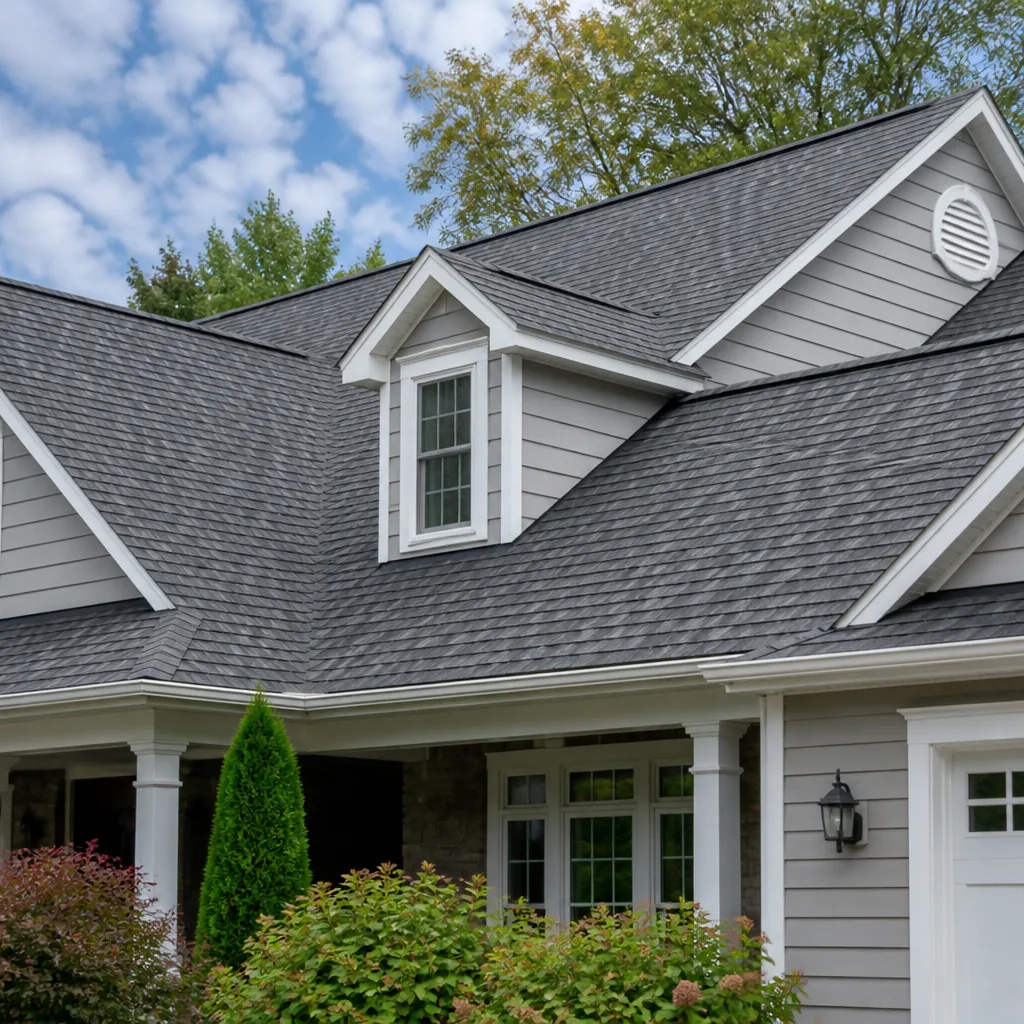 Architectural shingles
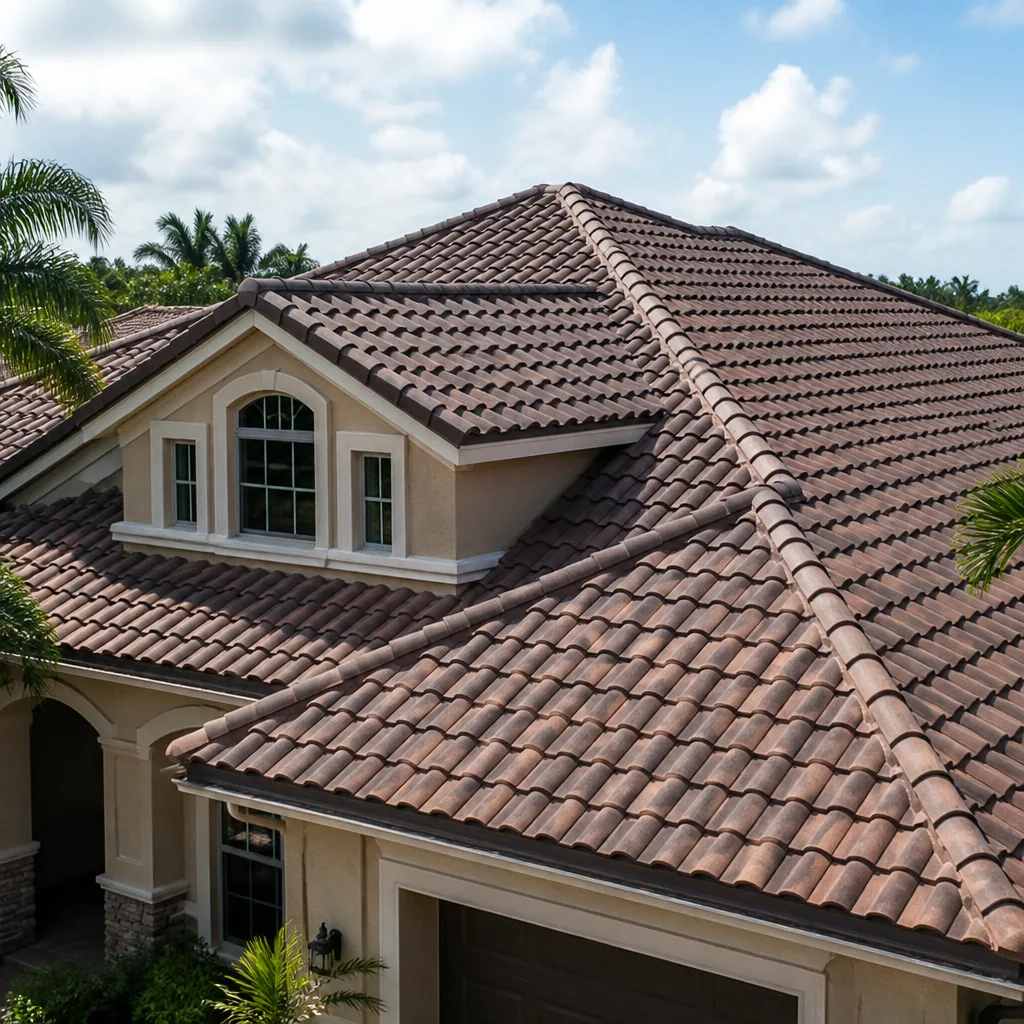 Tile roofing
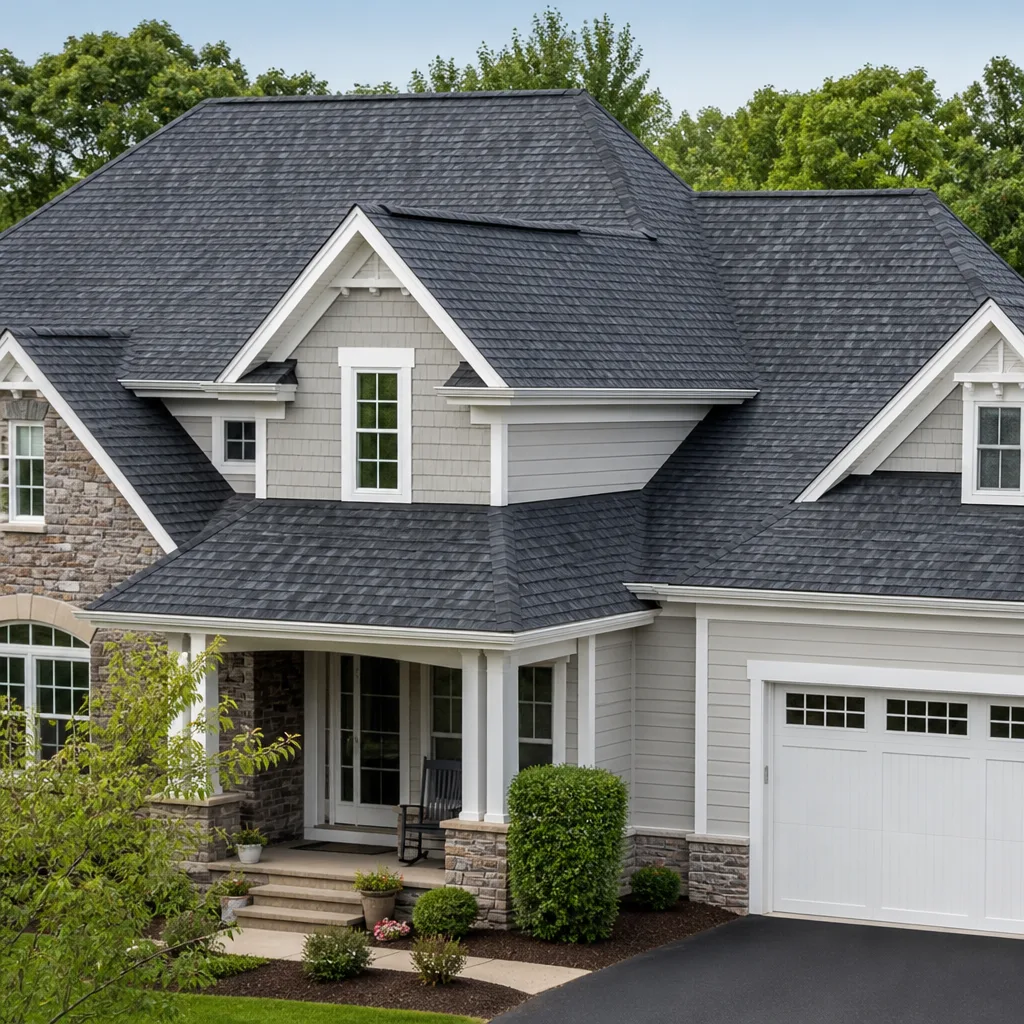 GAF
GAF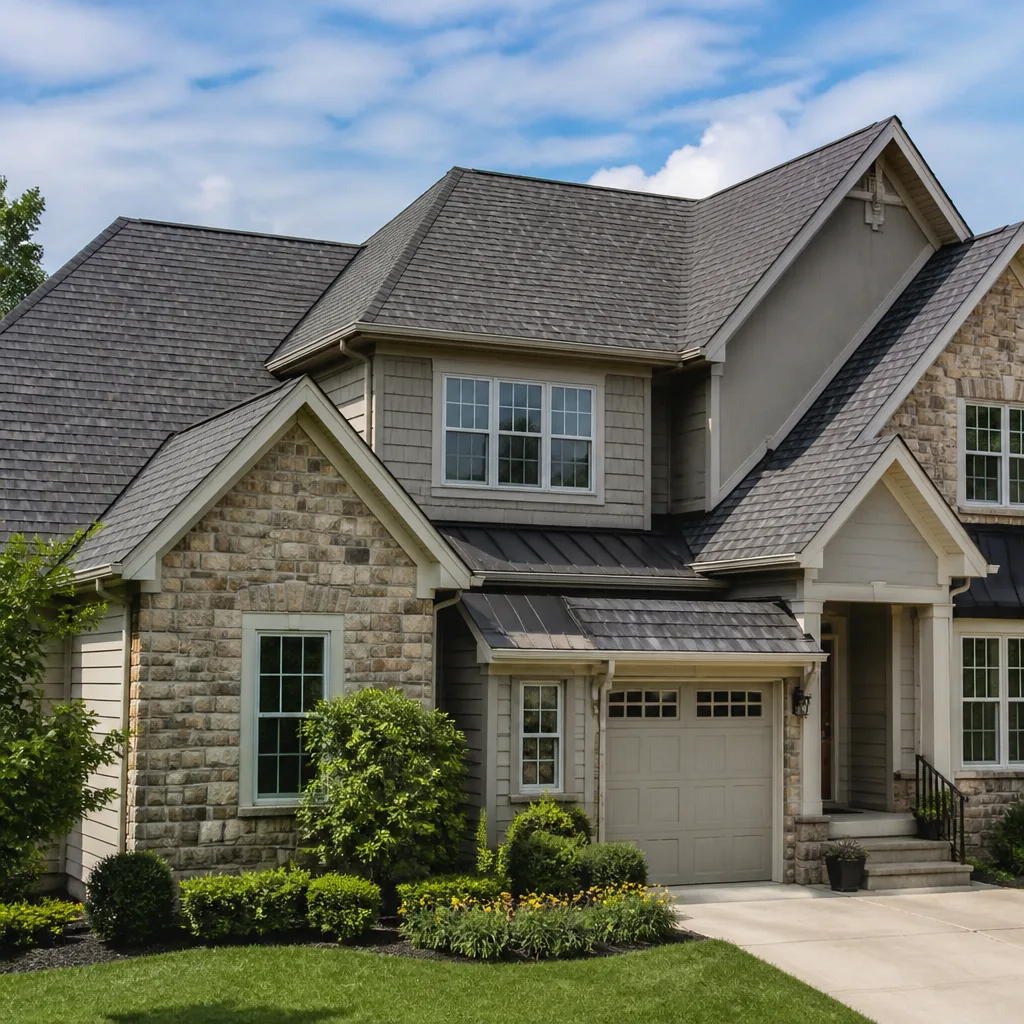 Owens Corning
 Flat & low-slope
Free roof inspection with deck photos before we talk money - GAF and Owens Corning certified installation
The Complete Guide to Roofing in Fort Lauderdale
Fort Lauderdale averages 60 inches of rain per year, nearly double the national average, yet most roofing guides written for Florida homeowners still recycle advice built for dry climates with mild winters. That disconnect costs homeowners real money when the wrong fastener corrodes in salt air or a roof deck gets soaked mid-replacement because nobody checked the weather window. This guide covers what actually matters here: Hurricane codes that dictate every material choice, insurance claim documentation habits that prevent payout denials, and the specific ways Fort Lauderdale’s climate attacks roofs faster than anywhere else in the state. For a full roof repair maintenance checklist for Fort Lauderdale homeowners, see our companion resource.
Quick Answer
A Fort Lauderdale roof has to do three jobs at once: it must meet Broward County’s High-Velocity Hurricane Zone code requirements, withstand daily salt-air exposure from the Atlantic, and keep a documented service history clean enough that insurance carriers cannot dispute a claim years later. Most residential roofs here last 15 to 25 years depending on material, with full replacements typically running $12,000 to $35,000. The single most important habit for any Fort Lauderdale homeowner is documenting every installation, repair, and inspection with photos and receipts from day one.
Styles & brands we work with
Table of Contents
- What the HVHZ Really Means for Your Fort Lauderdale Roof
- Why Salt Air Kills Standard Roofing Fasteners Within 5-7 Years
- The Fort Lauderdale Insurance Claim Cycle and How Documentation Prevents Denials
- Roof Deck Exposure During Rain Season: Why Scheduling Is a Material Decision
- Flat and Low-Slope Roofs on Mid-Century Fort Lauderdale Homes
- Choosing Materials for a Broward County Roof
- How Often Should You Inspect a Roof in Fort Lauderdale?
- What Roofing Costs in Fort Lauderdale Right Now
What the HVHZ Really Means for Your Fort Lauderdale Roof
Broward County sits inside the High-Velocity Hurricane Zone, a designation that covers only Miami-Dade and Broward counties in the entire state. What that means in plain English: your roof has to survive wind uplift pressures and missile impact tests that roofs in Orlando or Tampa never face. The Florida Building Code applies everywhere, but the HVHZ layer on top is stricter about how materials attach, what fasteners qualify, and which underlayment systems are even legal to install.
The most visible difference is the underlayment. In most of Florida, roofers can install a single layer of synthetic underlayment or standard felt. In Fort Lauderdale, the HVHZ requires a sealed roof deck during installation. This means either a self-adhering modified bitumen underlayment over the entire deck or a specific peel-and-stick system that bonds directly to the plywood. We regularly see older Fort Lauderdale roofs torn open after storms where the shingles held but water found its way through nail holes because the original deck was never sealed. That is exactly the failure mode the HVHZ rules were written to prevent.
Nail patterns also change in this zone. The code specifies ring-shank nails, not smooth ones, and it governs spacing more tightly for the perimeter zones of the roof where uplift forces concentrate. A roofer working from a generic Florida spec sheet will under-nail your Fort Lauderdale roof and never know it until a Category 2 storm peels the edges back. Ask any contractor you interview whether they carry current Broward County wind load tables and how they verify nail placement during the job. Our step-by-step guide on how to hire a roofing contractor in Fort Lauderdale includes the exact questions to ask. The ones who answer directly are the ones who actually build to code.
Why Salt Air Kills Standard Roofing Fasteners Within 5-7 Years
Fort Lauderdale sits between the Intracoastal Waterway and the Atlantic, and that geography creates a corrosion environment most roofing guides ignore entirely. Standard galvanized fasteners, the kind spec’d on millions of roofs across the country, start showing visible rust here within five to seven years. Once the zinc coating fails, the nail shank thins, the head weakens, and shingles begin to lift or blow off in winds that newer roofs should handle without issue.
The fix is to specify stainless steel fasteners, which add roughly $400 to $900 to a full roof replacement in Fort Lauderdale and extend fastener life almost indefinitely in salt air. That is a small line item for what it buys. Every roof replacement we estimate in Fort Lauderdale includes stainless steel fasteners as the default, not an upgrade. It is one of those decisions that looks invisible on day one and becomes the difference between a fifteen-year roof and a twenty-five-year roof.
Flashing material matters equally. Aluminum flashing corrodes quickly in direct salt spray, especially near the beach. Copper and stainless steel flashing hold up far better, and so does a heavier-grade galvanized steel with a factory-applied coating. If your home sits east of US-1 or within a mile of the ocean, treat flashing material as a primary decision, not an afterthought. The same logic applies to fasteners on roof-mounted equipment, satellite mounts, and solar racking, which are often installed by contractors who do not work in coastal environments and use whatever bolts come in the box.
The Fort Lauderdale Insurance Claim Cycle and How Documentation Prevents Denials
Fort Lauderdale homeowners face a specific insurance reality: carriers in Broward County have tightened underwriting standards so much over the last decade that many policies now require roof replacement at 15 years regardless of condition, and claims for older roofs routinely get denied based on age exclusions. The pattern is predictable. A storm damages your roof, you file a claim, the adjuster attributes the damage to wear and tear or pre-existing conditions, and the carrier writes a denial letter before an engineer ever climbs onto the roof.
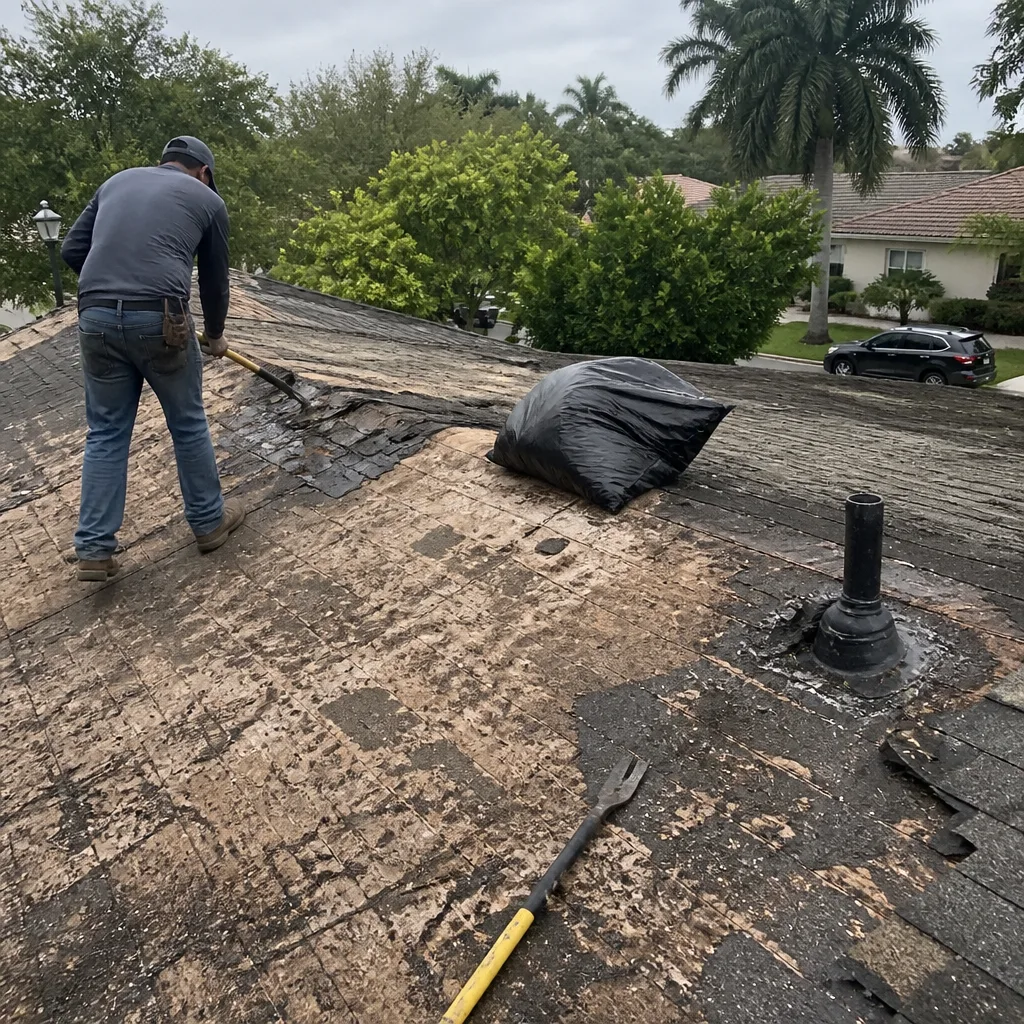
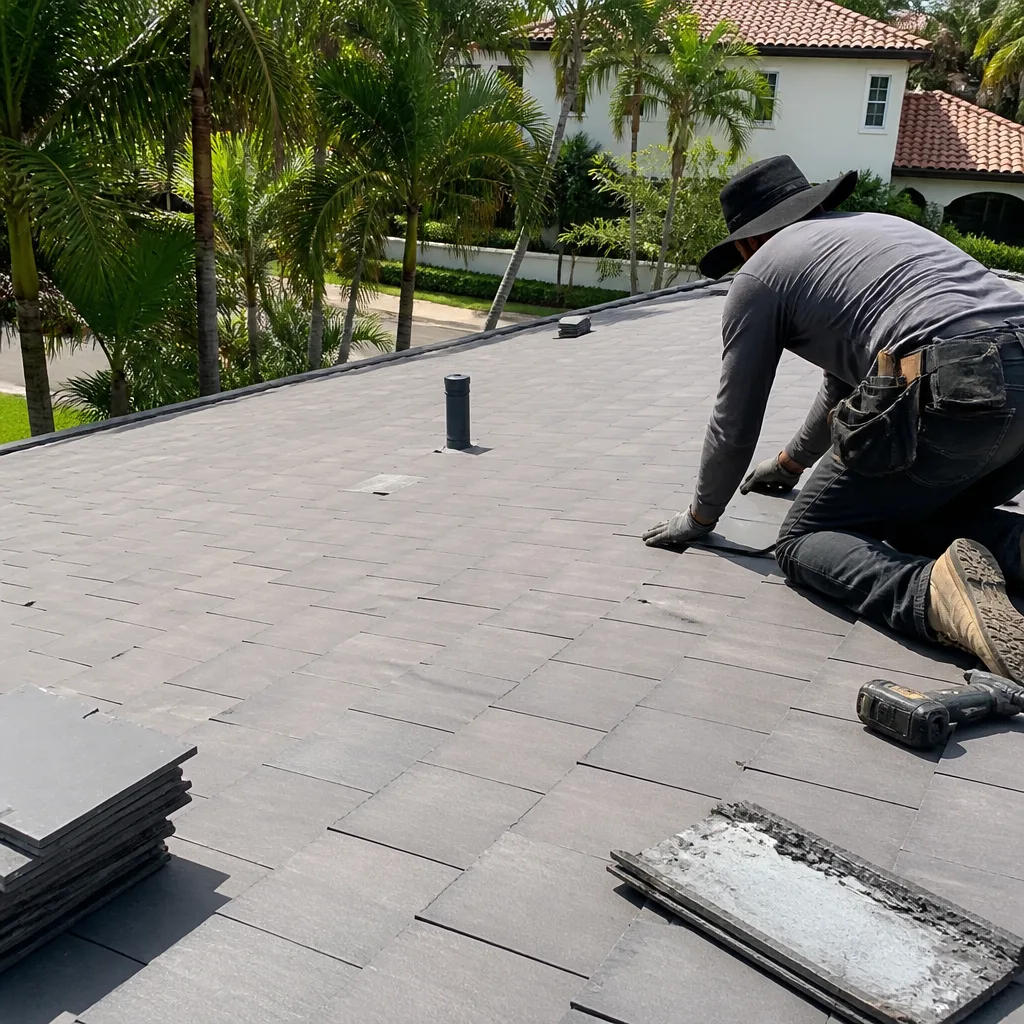
Documentation changes that outcome. At installation time, have your roofer photograph every layer: the stripped deck, the underlayment installation, the fastener pattern, and the finished roof from multiple angles. Keep the invoice, the permit, the material warranties, and the photos in one folder. When a claim comes in, that folder answers the adjuster’s first three questions before they are even asked. The roof’s age is documented. The installation method is documented. The condition at completion is documented. Carriers dispute what they cannot verify, and Fort Lauderdale homeowners who keep installation records win claims that neighbors without records lose.
A second habit matters just as much: get a licensed roofing inspection after every named storm, even if you see no visible damage. The report creates a timestamp that separates storm damage from later wear. In our experience, the homeowners who treat documentation as part of roof ownership, not as a chore after a storm, are the ones who get claims approved with the least friction. This is a Fort Lauderdale-specific reality because our insurance market has hardened faster than anywhere else in the state.
Roof Deck Exposure During Rain Season: Why Scheduling Is a Material Decision
South Florida rain season runs from mid-May through October, and afternoon thunderstorms arrive with almost clockwork regularity. A roof deck left exposed overnight during those months can absorb enough moisture to delaminate underlayment, warp plywood, and create mold conditions before the new roof ever gets installed. That is why a contractor’s scheduling practice is not a convenience question in Fort Lauderdale, it is a material decision as important as which shingle you pick.
Ask any roofer you interview three questions. One: do you tear off only as much roof as you can seal before the end of each workday? Two: do you check the hourly radar before opening the deck, or do you work on a fixed schedule and hope? Three: if a storm catches the job mid-tear-off, do you have a dry-in crew on call to tarp and seal the exposed area immediately? The answers tell you more about the quality of the finished roof than any brochure will.
This is where the Roof Replacement in Fort Lauderdale process we run follows a few hard rules. We never open more deck than the crew can dry in by end of day. A live person answers our phone 24/7, which matters when a summer storm rolls in at 4:00 PM and a homeowner needs to confirm that the crew on the roof is our crew. And every replacement includes photo documentation of the deck, underlayment, and flashing before the shingles go on, so the homeowner can see exactly what was sealed and when.
Flat and Low-Slope Roofs on Mid-Century Fort Lauderdale Homes
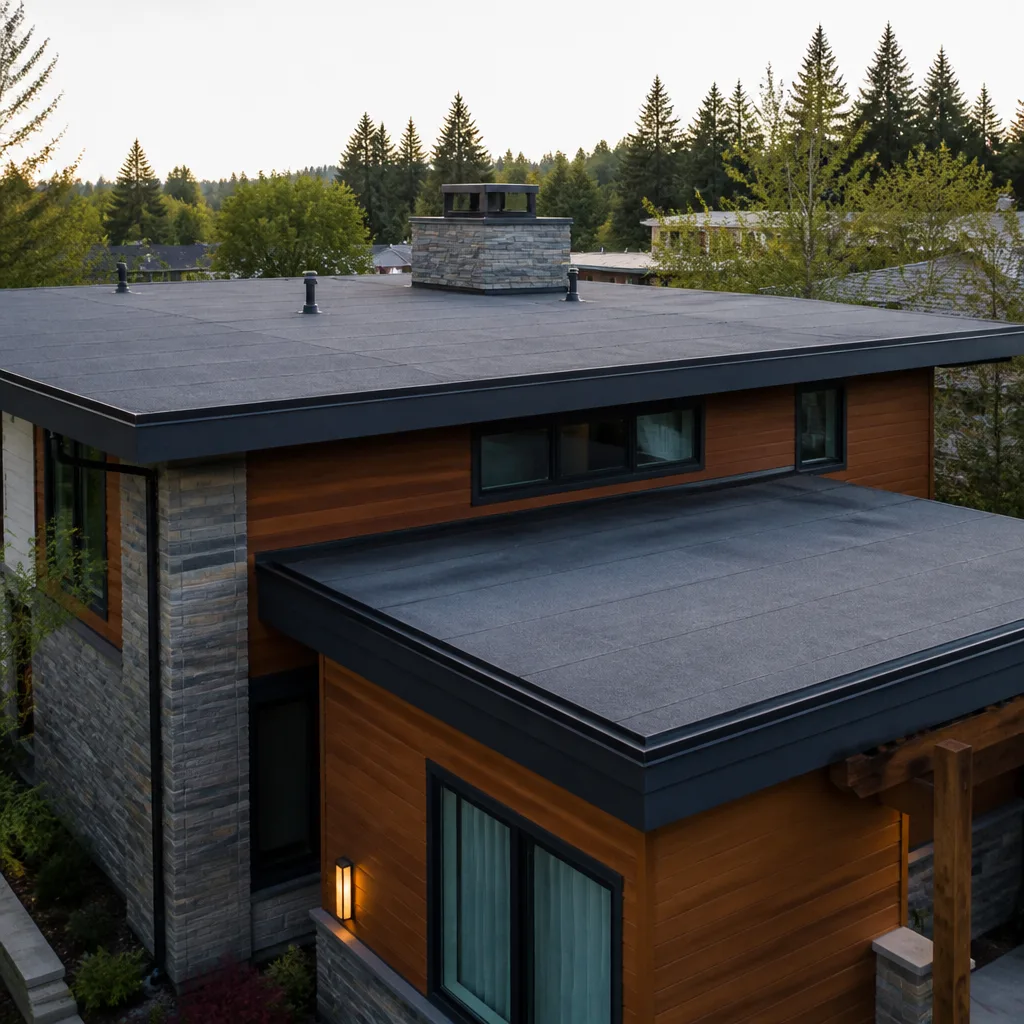
Neighborhoods like Coral Ridge, Victoria Park, and parts of Poinsettia Heights hold hundreds of mid-century homes built with flat or very low-slope roofs. Those roofs were often designed for a different era of building materials, and many now sit beneath layers of patch repairs applied over decades by different contractors using different systems. A flat roof in Fort Lauderdale has almost nothing in common with a pitched shingle roof when it comes to maintenance, inspection, or failure mode.
Flat roofs drain slowly, or not at all, and standing water is the single biggest killer of a Fort Lauderdale flat roof. The inspection checklist is different: you are looking for ponding water that remains 48 hours after rain, alligator cracking across the membrane surface, seams that lift at the edges, and flashing boots around vents and pipes that have shrunk or split in the heat. These failures happen even on roofs that look fine from the ground, which is why flat roofs need a professional inspection every two years at minimum, and annually for any flat roof over fifteen years old.
Repair approaches also differ. A shingle roof losing granules can wait a season. A flat roof membrane with an open seam is an active leak vector that worsens with every afternoon storm, and the repair needs to happen within days, not months. We cover every flat roof repair under our 365-Day Done Right Promise, which means if a patch fails within a year, we come back and fix it at no charge. That second visit is free, not a negotiation, which matters on older Fort Lauderdale roofs where the first repair does not always find every compromised seam.
Choosing Materials for a Broward County Roof
Shingle selection in Fort Lauderdale comes down to wind rating, impact resistance, and the specific product line’s performance history in coastal Florida. We install materials from GAF, CertainTeed, and Owens Corning because those three manufacturers publish wind ratings that meet or exceed HVHZ requirements and have product lines tested for the specific uplift pressures we see in Broward County. The right shingle for a Coral Ridge home near the ocean may differ from the right shingle for a Plantation home twenty miles inland, but both need to start from a manufacturer’s coastal-rated line.
For homeowners who want maximum storm protection, a metal roof or standing-seam system is worth evaluating alongside standard asphalt shingles. Metal panels carry a higher upfront cost, typically $20,000 to $40,000 for a Fort Lauderdale replacement, but they handle wind uplift better than any shingle system and do not degrade from salt air the way asphalt granules slowly do over time. Tile roofs, common in some South Florida neighborhoods, add weight that the structure must be engineered to carry, which is a separate cost and consideration before you commit.
The honest guidance here is that material choice matters less than installation quality in Fort Lauderdale. A premium shingle nailed with the wrong fastener pattern in salt air will fail before a mid-grade shingle installed to HVHZ spec with stainless fasteners and sealed underlayment. We tell every homeowner the same thing: pick a material within your budget that meets wind code, then spend your attention on verifying the installation practices rather than splitting hairs between two shingle brands. See our DIY vs Professional Roofing: The Fort Lauderdale Homeowner’s Decision Guide to understand why installation expertise matters more than brand choice.
How Often Should You Inspect a Roof in Fort Lauderdale?
The standard national advice is to inspect your roof twice a year, but Fort Lauderdale’s climate demands a different cadence. The afternoon storm season stresses roofs daily for five months straight, and salt-air corrosion works year-round, invisible from the ground. Our recommended schedule for Fort Lauderdale:
- Once before rain season begins in April or early May, focused on clearing debris, checking flashing around chimneys and vents, and identifying any loose shingles before the daily storms arrive.
- Once after rain season ends in November, looking for damage from wind-driven rain, lifted shingles, and any signs of water intrusion around the roof plane.
- After every named storm that passes within sixty miles of Fort Lauderdale, regardless of whether you think your roof took damage. The storm might have loosened a ridge cap or lifted a seam that will not leak until the next heavy rain.
- For flat or low-slope roofs, add an additional inspection in July, during the peak of standing-water season, to check for ponding and membrane stress.
Between inspections, look for simple signs from the ground: granule buildup in your gutters, shingles that appear darker in patches where granules have worn away, and any daylight visible at the roofline from the attic. The attic check matters especially. Leaks in Fort Lauderdale often show up as water stains on the underside of the roof deck weeks before they reach the ceiling, because the heat dries the evidence from above while moisture works downward. A quick attic look once a month takes five minutes and catches problems at the repair stage instead of the replacement stage.
You can find more detail on what an inspection covers and what repairs cost on our Roof Repair in Fort Lauderdale page. The short version: inspections are cheap, deferred maintenance is not.
What Roofing Costs in Fort Lauderdale Right Now
Roofing prices in Fort Lauderdale run higher than the Florida average, driven by HVHZ material requirements, the need for stainless fasteners and coastal-rated underlayment, and a labor market where demand is constant year-round. Here are the price ranges we quote most often in Broward County:
- Asphalt shingle roof replacement: $12,000 to $28,000 for a typical 1,800 to 3,000 square foot home, depending on shingle grade, deck condition, and whether the existing roof requires a full tear-off.
- Metal roof installation: $20,000 to $40,000 for a standing-seam or metal panel system, with coastal engineering and HVHZ fastening patterns included.
- Flat roof membrane replacement: $9,000 to $18,000 for a typical mid-century home, depending on membrane type and whether underlying insulation needs replacement.
- Roof repair: $350 to $1,400 for most standard repairs like flashing replacement, shingle patches, or seam sealing. A full repair scope on an older roof can reach $2,500 to $4,000 when multiple issues compound.
- Roof inspection with documentation: $150 to $400, and worth it as claim documentation even when nothing needs repair.
Every estimate you get should be a written, line-item price before any work starts. The number on the page is the number on the invoice. That is how we operate at Crestview Roofing Co Fort Lauderdale, and honestly, it is how every roofer should operate. A quote that changes after the tear-off reveals deck damage is either a contractor who skipped the initial inspection or one who planned to bill the difference all along. Our process includes a written price before any work begins, photo documentation before and after, and a digital invoice sent by text when the job is done. The 365-Day Done Right Promise covers every repair for a full year, including a free second visit if the repair fails, all in writing and included with every job at no extra cost.
For a full picture of what goes into install pricing on new construction or a complete tear-off and rebuild, see our Roof Installation in Fort Lauderdale page.
Common Mistakes to Avoid
- Skipping stainless steel fasteners because they cost a few hundred dollars more. Standard galvanized fasteners fail in Fort Lauderdale’s salt air within five to seven years, and the re-nailing cost dwarfs the upgrade. This is the most expensive small mistake a coastal homeowner can make.
- Filing an insurance claim without installation documentation. Carriers in Broward County routinely dispute roof age and pre-existing damage. Photos, invoices, and permits from installation day are the difference between a check and a denial letter.
- Hiring a roofer who opens the entire deck on Monday morning during rain season. A summer storm can hit before the dry-in is complete, and a soaked deck becomes a mold problem and a structural repair. Ask about same-day dry-in discipline before you sign.
- Treating a flat roof like a shingle roof. Flat and low-slope roofs on Fort Lauderdale mid-century homes need different inspection timing, different failure detection, and a different repair approach. The pitch changes everything.
- Choosing materials by price per square without checking the wind rating. A shingle that meets minimum Florida code may not meet HVHZ uplift requirements. Confirm the specific product line’s wind rating for Broward County before paying the deposit.
- Ignoring granule buildup in gutters as normal wear. In Fort Lauderdale, granule loss accelerates because of daily heat cycling and storm runoff. It is an early warning that the shingles are aging faster than their calendar age suggests, not a cosmetic issue to ignore.
- Waiting to inspect after a named storm passes. A roof can look fine while holding hidden seam separations that leak weeks later. Inspect within days, document the findings, and keep the report for your insurance file.
See the difference
 Before
 After
After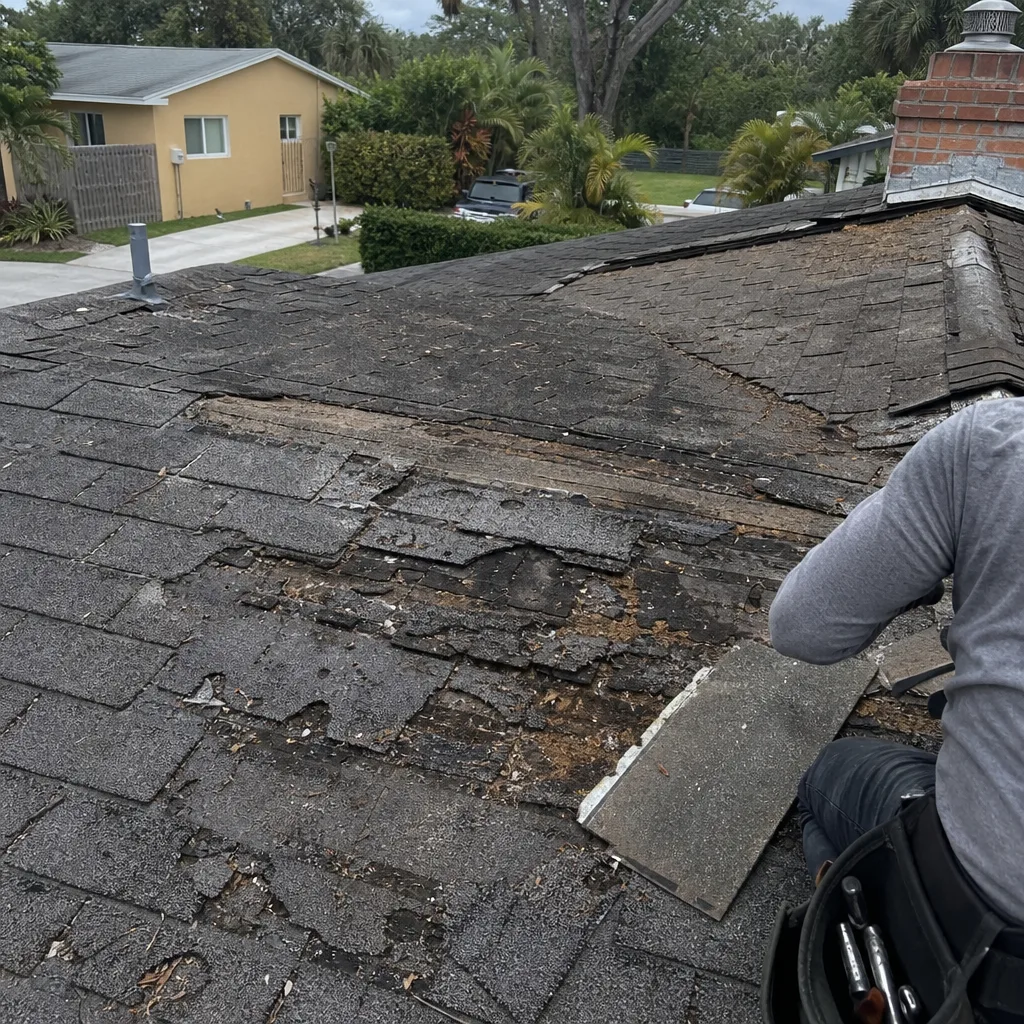 Before
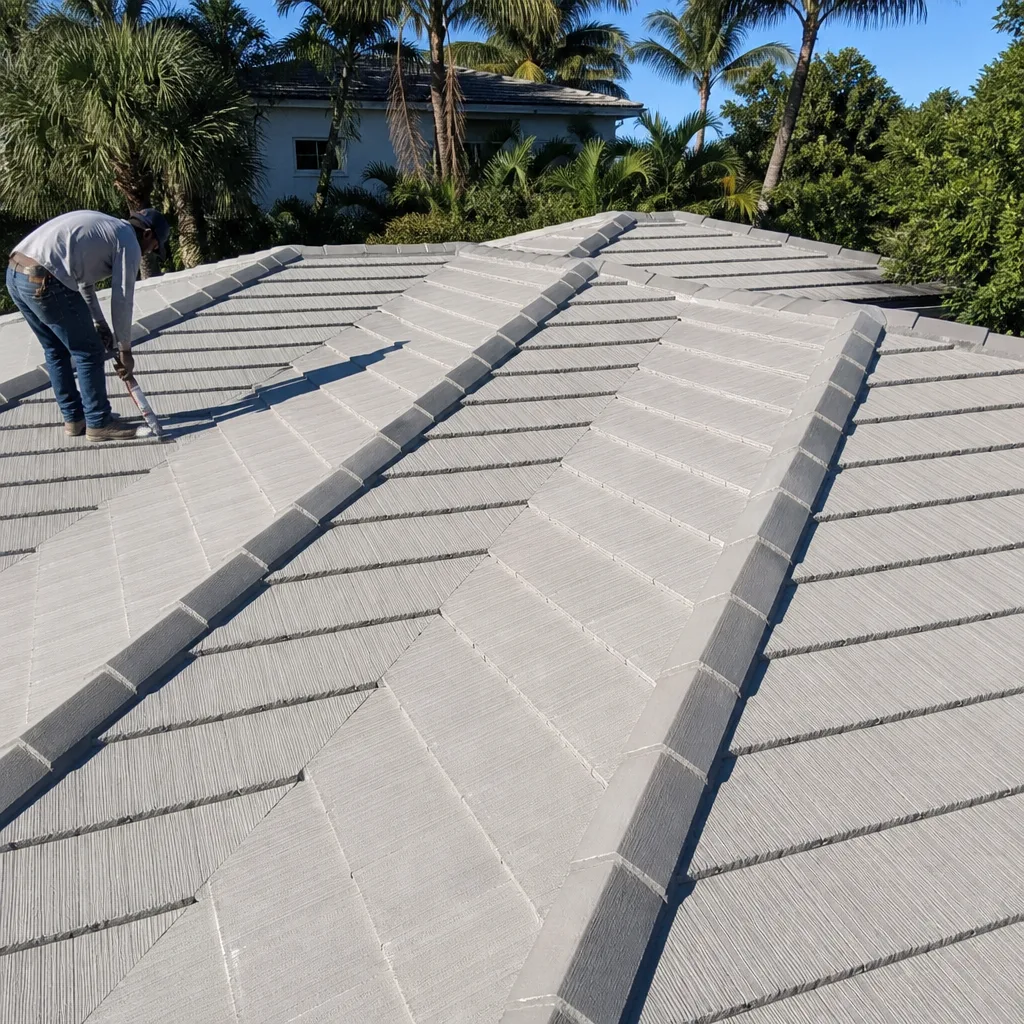 After
After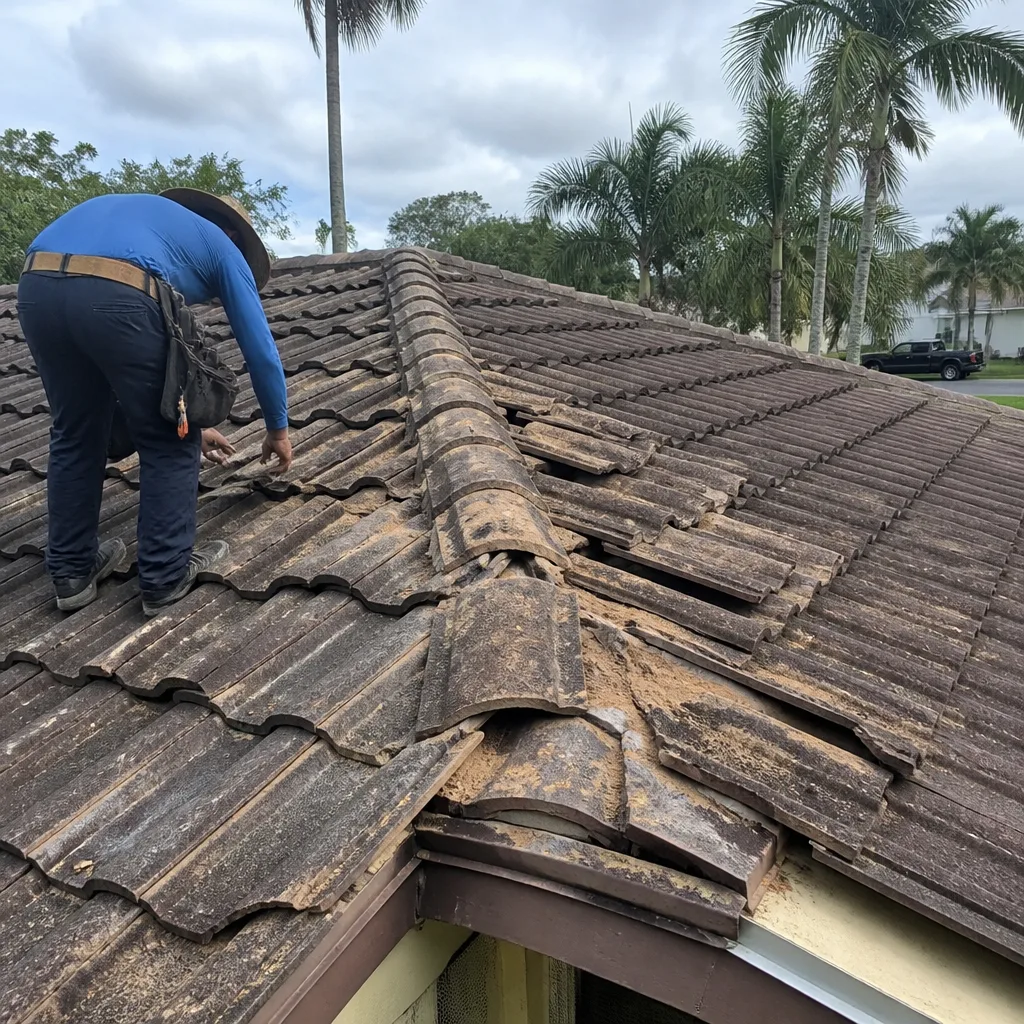 Before
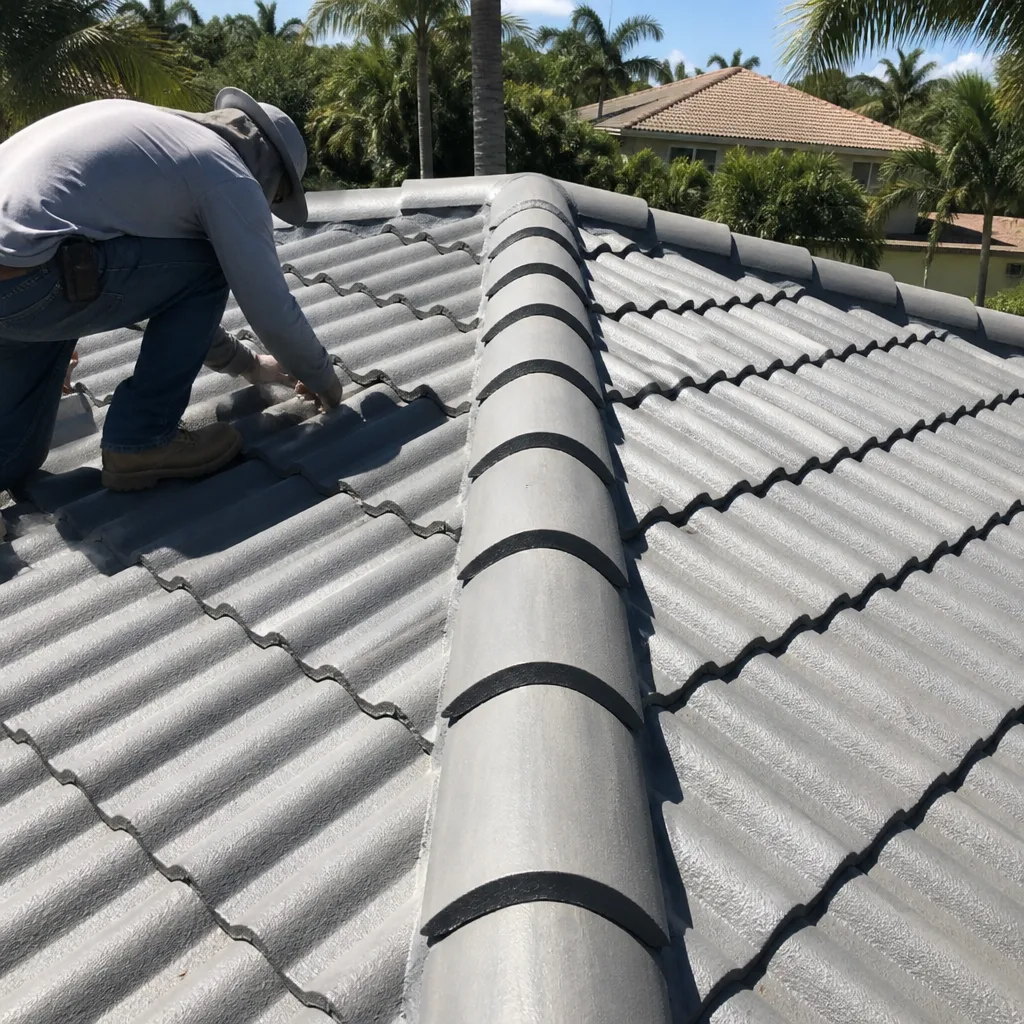 After
AfterWhen to Call a Professional
Call a roofer when you see water stains on your ceiling, granules collecting in your gutters faster than normal, shingles lifting at the edges after wind, or daylight visible through your attic roof deck. Also call after any named storm within sixty miles of Fort Lauderdale, even for a documentation-only inspection. Flat roof owners should call at the first sign of ponding water that outlasts 48 hours or any visible membrane cracking, because those conditions compound quickly during rain season. If you are planning to sell a Fort Lauderdale home, a documented roof inspection often pays for itself in buyer confidence and insurance underwriting speed. Crestview Roofing Co Fort Lauderdale offers free estimates in Fort Lauderdale, and you can reach us at (754) 354-8628. A live person answers, every time.
Frequently Asked Questions
A full asphalt shingle roof replacement in Fort Lauderdale typically runs $12,000 to $28,000 depending on home size, shingle grade, and deck condition. Metal roofs run $20,000 to $40,000. Your written estimate should include stainless fasteners, HVHZ-compliant underlayment, and tear-off disposal. Call (754) 354-8628 for an exact quote, the estimate is free.
Asphalt shingle roofs in Fort Lauderdale last 15 to 20 years on average, while metal roofs last 30 to 50 years. Salt air, daily afternoon storms, and intense UV exposure all accelerate wear compared to inland Florida homes. Flat roof membranes typically need replacement every 10 to 15 years depending on maintenance.
Yes. Broward County’s High-Velocity Hurricane Zone designation requires sealed roof decks, ring-shank nails in specific patterns, and underlayment systems that are not mandatory in most of the state. Additionally, Fort Lauderdale’s salt air means standard galvanized fasteners fail within five to seven years, so stainless steel fasteners are the practical requirement even where code does not explicitly mandate them.
It should not, if the contractor performed a proper initial inspection. Deck damage hidden beneath old shingles is the most common cause of mid-job price increases. Our process at Crestview Roofing Co Fort Lauderdale includes a written price before any work starts, and that number holds. The only exception is deck replacement required by structural damage that no pre-tear inspection could reasonably detect, which we document with photos before any additional work is authorized. Call (754) 354-8628 to schedule a free estimate and get a written price up front.
You file a claim, the carrier sends an adjuster or third-party inspector, and the claim is approved or denied based on documented roof age, condition at the time of damage, and whether the damage is attributable to a covered event. Fort Lauderdale homeowners face stricter scrutiny than most of Florida because carriers have aggressively tightened their Broward County underwriting. Installation photos, permits, maintenance records, and post-storm inspection reports create the documentation trail that prevents age-related denials.
Book your pre-storm inspection by April, before the daily afternoon rain patterns begin in mid-May. Contractors in Fort Lauderdale book up quickly in the weeks before hurricane season, and a documented inspection gives you time to complete any repairs before the first named storm forms. Call (754) 354-8628 to schedule, and we will send you written documentation of the inspection findings for your insurance file.
The Bottom Line
Roofing in Fort Lauderdale is not interchangeable with roofing elsewhere in Florida. The HVHZ code requirements, salt-air corrosion, rain-season exposure windows, and the insurance claim environment all shape what materials you choose, which contractor you hire, and how you document everything. Hire a roofer who knows Broward County’s wind load tables, specifies stainless fasteners by default, and puts every price in writing before work begins. Keep your documentation folder current from installation day forward. And treat your flat roof, if you have one, with the same attention you give the shingles you can see from the street. For a free written estimate in Fort Lauderdale, call (754) 354-8628.
Written by Dylan Pace, Owner at Crestview Roofing Co Fort Lauderdale, serving Fort Lauderdale since 2000.