
Last updated October 17, 2026
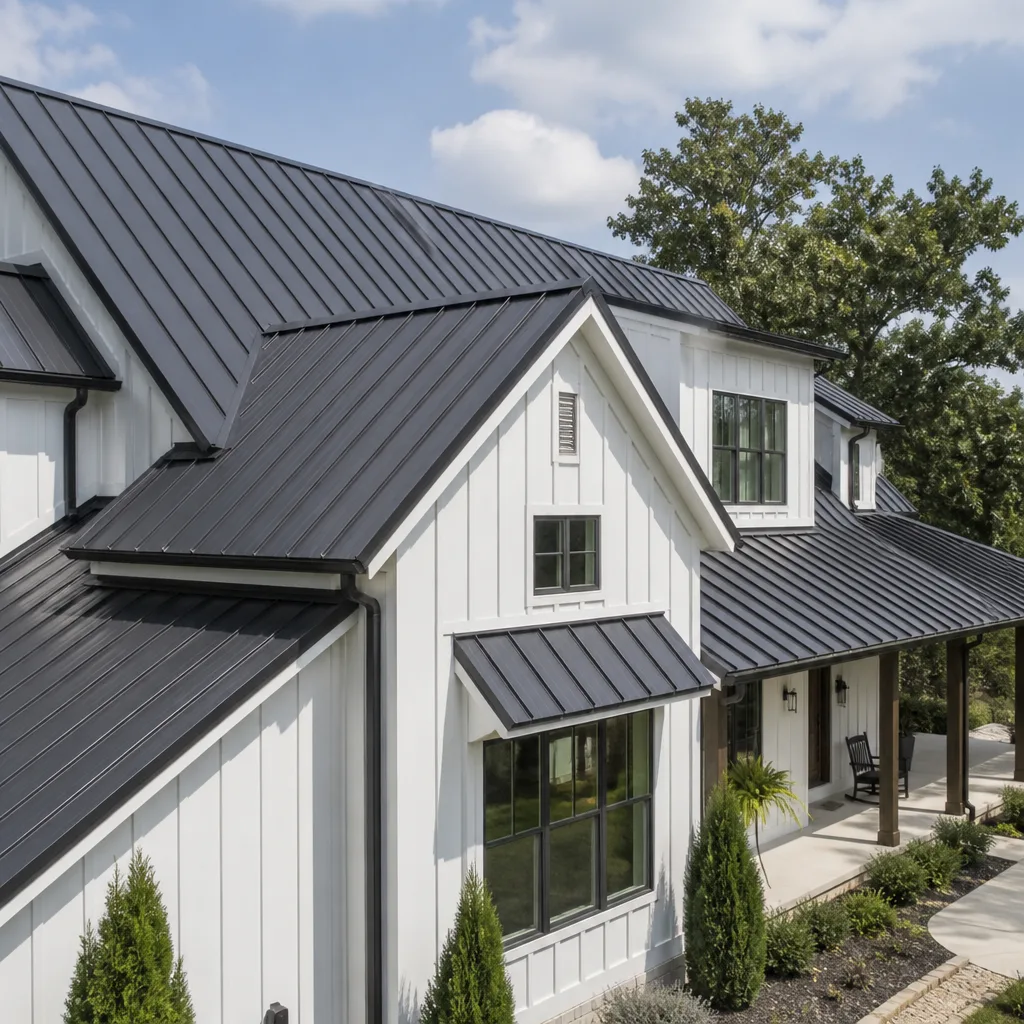 Metal roofing
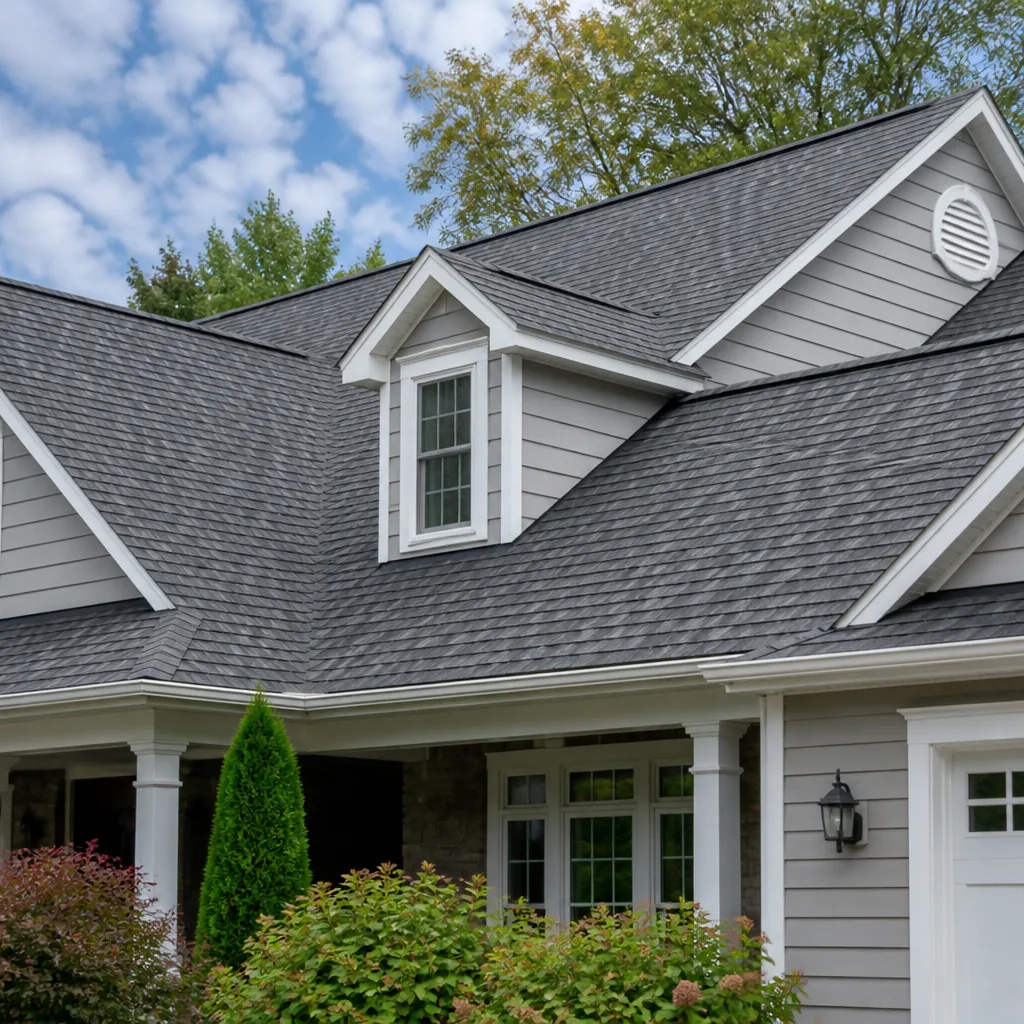 Architectural shingles
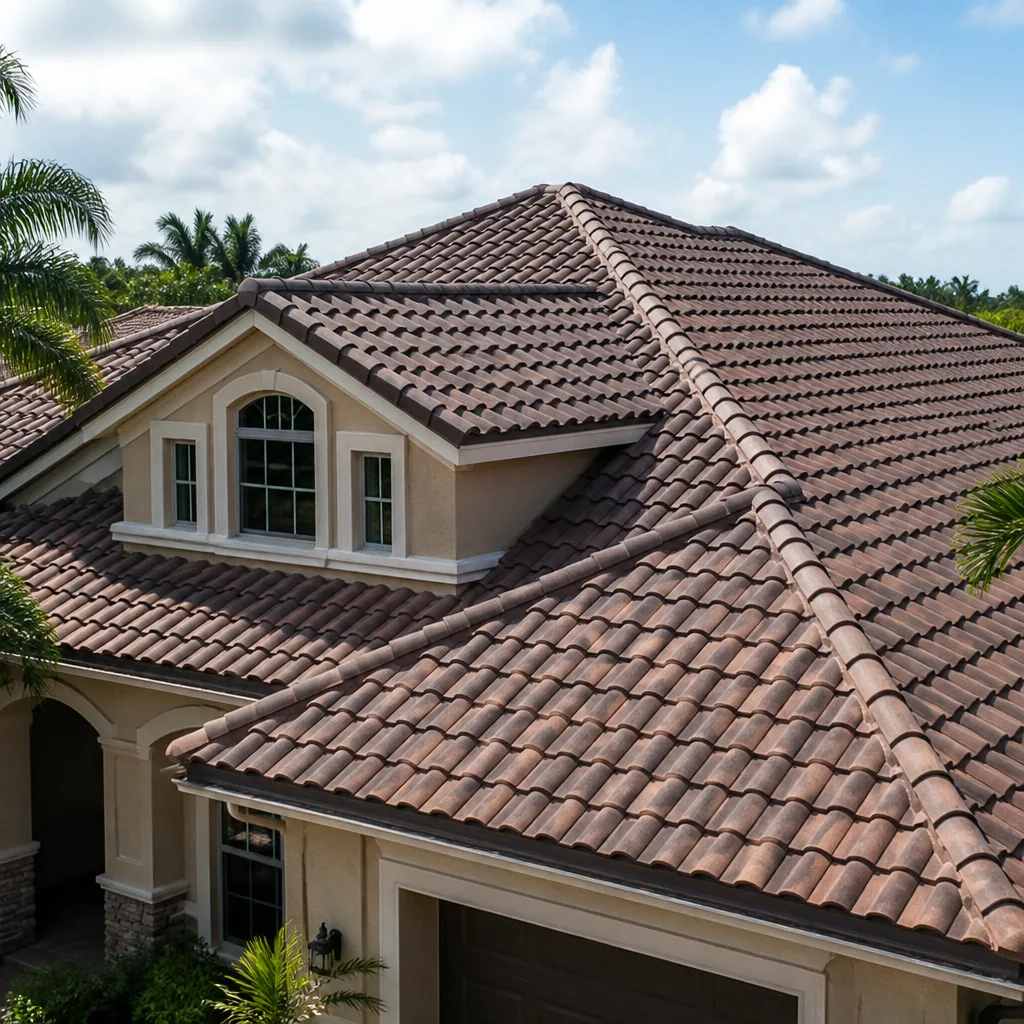 Tile roofing
 GAF
GAF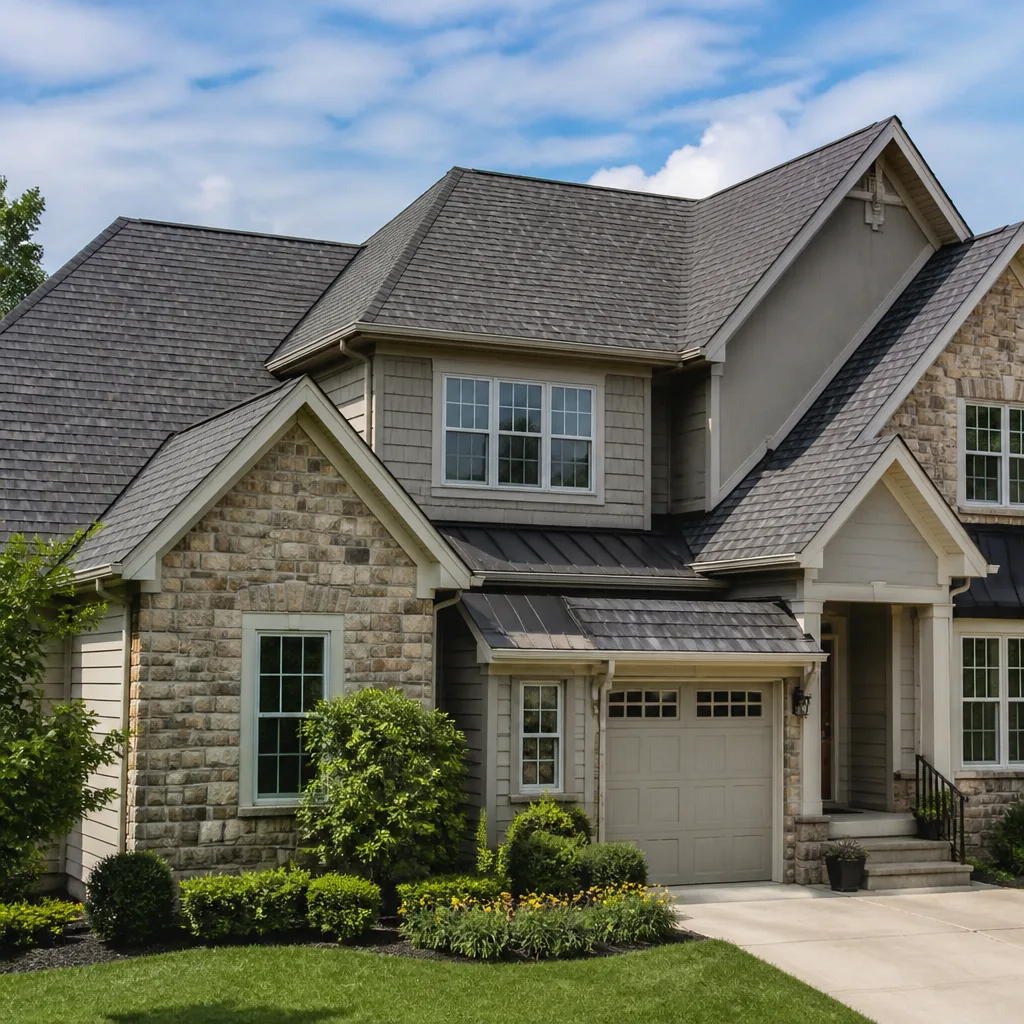 Owens Corning
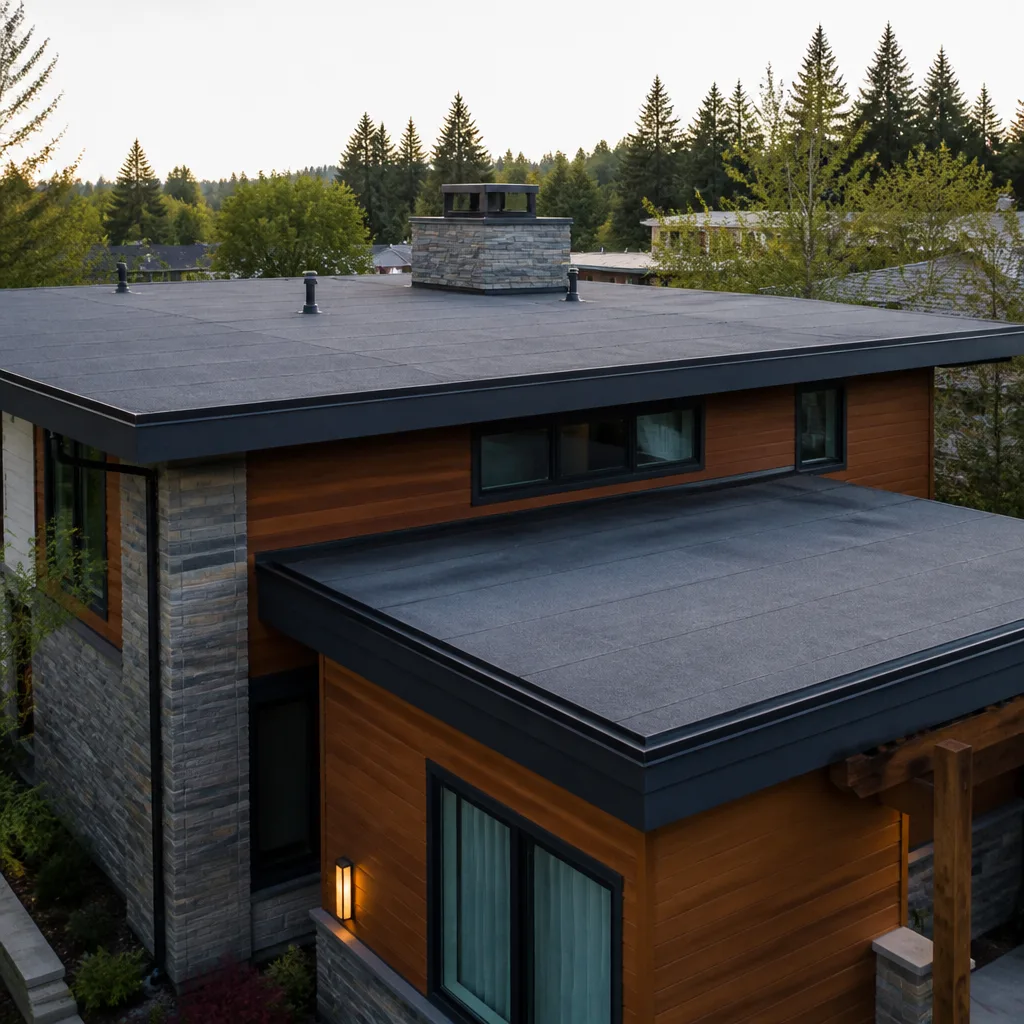 Flat & low-slope
Free roof inspection with deck photos before we talk money - GAF and Owens Corning certified installation
DIY vs Professional Roofing: The Fort Lauderdale Homeowner’s Decision Guide
Florida Statute 489.105 makes a homeowner personally liable for injuries to unlicensed workers they hire for roofing. Read that again, because it changes the math on every DIY decision you’ll make. A $400 patch job using a handyman from a Facebook group becomes six-figure legal exposure the moment that person slips on your roof. This guide walks through the real cost comparison, the Fort Lauderdale building code realities, the insurance implications, and the three repairs where DIY actually makes sense here. For more guides & resources, see our blog.
Styles & brands we work with
Quick Answer
For most roofing work in Fort Lauderdale, hiring a licensed professional is the safer financial decision. The HVHZ building code, Florida’s insurance policy language around unpermitted work, and the specific liability exposure under Florida Statute 489.105 make DIY roofing riskier here than anywhere else in the continental U.S. The exceptions are narrow: gutter cleaning, minor sealant touch-ups, and replacing a single visible cap shingle are the three jobs where DIY is genuinely reasonable. For everything else, read our How to Hire a Roofing Contractor in Fort Lauderdale: A Step-by-Step Guide.
Table of Contents
- Florida’s Legal Landscape: What a Homeowner Can and Cannot Do
- The Three Repairs Where DIY Is Genuinely Reasonable in Fort Lauderdale
- The Four Repairs Where DIY Creates Compounding Problems
- How Florida Insurance Carriers Evaluate DIY Roof Repairs
- The Honest Cost Comparison: DIY vs Professional in Fort Lauderdale
- Safety Math Specific to Fort Lauderdale
- Common Mistakes to Avoid
- When to Call a Professional
- Frequently Asked Questions
- The Bottom Line
Florida’s Legal Landscape: What a Homeowner Can and Cannot Do
Florida is one of the few states with a specific statutory framework for homeowner-performed construction work. Understanding where the lines are drawn matters because crossing them affects your insurance coverage, your liability, and your ability to sell the home later.
The homeowner-builder permit is the key mechanism. Under Florida law, you can pull a permit as an owner-builder for work on your own primary residence. That permit allows you to act as your own contractor and perform the work yourself or hire licensed subcontractors. What it does not allow: hiring unlicensed workers to perform roofing work under your permit. If a worker steps onto your roof without a license and gets hurt, Florida Statute 489.105 makes you personally responsible for their injuries. Not your insurance company first. You.
Here’s what a homeowner-builder permit for roofing in Fort Lauderdale actually covers and what it doesn’t:
- What it allows: Performing the work yourself on a home you own and occupy, pulling the required Broward County permits, and scheduling inspections with the city’s building department.
- What it doesn’t allow: Hiring anyone without a Florida roofing contractor’s license (CCC or CGC classification) to perform the work under your permit. It also doesn’t exempt you from HVHZ compliance.
- What it affects: Insurability. Florida carriers routinely ask whether roofing work was performed by a licensed contractor. The answer “I did it myself under an owner-builder permit” triggers a different underwriting review, and in practice, many carriers will decline coverage or exclude the roof from the policy.
- What it triggers: A mandatory inspection by the city of Fort Lauderdale Building Services division. Your work has to pass the same code review a licensed roofer’s work does. If it fails, you pay for corrective work out of pocket.
The HVHZ layer makes this more complicated than other parts of Florida. Fort Lauderdale sits inside the High Velocity Hurricane Zone, which has separate code requirements under the Florida Building Code. Nail patterns, underlayment specifications, and product approvals are stricter here than in, say, Orlando or Jacksonville. A homeowner who follows a YouTube tutorial filmed in Texas is not getting HVHZ-compliant guidance. We’ve corrected enough DIY efforts in neighborhoods like Victoria Park and Sailboat Bend to know that code compliance is where most of them fail, not workmanship.
The Three Repairs Where DIY Is Genuinely Reasonable in Fort Lauderdale
We’re not going to tell you that every DIY roofing project is a mistake. That would be dishonest. There are three repair types where a competent Fort Lauderdale homeowner can save real money without meaningfully increasing their risk profile. To keep your roof in good shape between repairs, follow our Roof Repair Maintenance Checklist for Fort Lauderdale Homeowners.
1. Gutter cleaning and minor gutter realignment. This is the highest-value DIY maintenance task for Fort Lauderdale homes. Between March and October, afternoon storms dump anywhere from 1.5 to 2 inches of rain in a typical downpour, and clogged gutters send water cascading behind fascia boards and into soffit intersections. Cleaning gutters twice a year costs about $150 to $250 per visit from a professional. A homeowner with a ladder, gloves, and two hours can do it for the cost of a gutter scoop. The safety caveat: use a standoff stabilizer on the ladder so you’re not leaning it against the gutter itself, and never work off a wet aluminum ladder during storm season. This is a maintenance task, not a roofing repair, and no permit is required.
2. Minor sealant touch-ups on flashing and pipe boots. The small rubber boot around a plumbing vent stack cracks after 8 to 12 years of Florida sun. A homeowner can apply a bead of polyurethane sealant (not silicone, which shrinks in UV exposure) around the base of a pipe boot in fifteen minutes. This is a temporary fix that may buy you a year or two before the boot needs full replacement. The same applies to small gaps in counter-flashing where you can see exposed sealant that’s shrinking. The material cost runs $20 to $40. If you can see nail heads or shingle tabs lifting, that’s not a sealant job, and you should stop there.
3. Replacing a single visible cap shingle. Cap shingles are the folded shingles that run along the ridge line. A single blown-off cap shingle after a storm is a genuine DIY candidate. You’ll need replacement cap shingles ($40 to $60 per bundle at Home Depot or Lowe’s), roofing nails, and a small tube of roofing cement. The job takes about 30 minutes if you can safely reach the ridge from a ladder. The critical detail: this only applies to a single cap shingle where the underlying ridge vent and attached caps are intact. If two or more cap shingles are missing, that indicates a system failure, and you should get a professional assessment. From our work around Roof Repair in Fort Lauderdale, we see that most single cap shingle replacements are signs of aging sealant strips, which means more caps will follow.
The Four Repairs Where DIY Creates Compounding Problems
These are the situations where we see homeowners attempt a fix, think it worked, and then discover a much larger issue six months later. The compounding effect is the problem: a small leak becomes a rotted deck, a rotted deck becomes a structural repair, and a structural repair becomes a code compliance issue.
1. Leak repairs that originate at flashing intersections. Flashing, the metal strips that seal joints around chimneys, skylights, and wall intersections, is the source of most roof leaks in Fort Lauderdale. A homeowner sees water staining on a ceiling and assumes a shingle is missing, then covers the area with roofing cement. In reality, the flashing has corroded or pulled away from the wall, and the cement is a bandage on an arterial bleed. By the time we’re called in, the decking beneath the flashing has been wicking moisture for months. A proper flashing repair involves removing shingles, replacing the step flashing or counter-flashing, and re-layering the area. That’s not a one-hour Saturday job.
2. Valley repairs. Roof valleys carry more water volume than any other part of a Fort Lauderdale roof during a heavy storm. If a valley is leaking, the water is spreading underneath shingles on both sides of the valley before it ever shows up inside. Patching a valley with caulk or sealant just traps the water behind the patch. A proper valley repair requires lifting shingles on both planes, inspecting the underlayment, and often replacing a section of valley metal or woven shingles. This is a two-person, multi-hour job that a homeowner cannot do safely or well from a ladder.
3. Anything requiring more than a ladder’s reach. Fort Lauderdale’s single-story ranch homes in neighborhoods like Coral Ridge and Imperial Point have roof pitches that most people can manage on a ladder. But the moment you’re on a two-story home in Rio Vista or working on a steep pitch anywhere in the city, the risk profile changes completely. Falls from roof heights are the leading cause of serious injury in residential construction, and Florida’s heat makes the risk worse, not better. We address the specific safety math below.
4. Repairs done after an insurance claim has been filed. If you’ve already filed a claim with your carrier for roofing damage, performing DIY repairs before the adjuster’s inspection can create a denial. The policy language in most Florida HO-3 policies requires that the insurer have the opportunity to inspect damage before repairs are made. If you’ve already patched the roof, the adjuster can’t verify the damage, and the carrier can deny the claim based on failure to allow inspection. We’ll cover the insurance reality more in the next section, but the short version: do not touch the roof if a claim is pending.
How Florida Insurance Carriers Evaluate DIY Roof Repairs
Florida’s property insurance market works differently from the rest of the country. After the legislative reforms following the 2022 special session, carriers have been more aggressive about denying claims and dropping policies where they find documentation issues. DIY roofing sits right in the middle of that risk.
Here’s what insurance carriers in Florida actually look at when you file a claim involving roofing work:
- Who performed the work: If the work was done by a licensed contractor, the claim proceeds normally. If the work was DIY, the adjuster’s first question is whether the damage predates the repair. The second question is whether the DIY repair itself failed and caused the damage.
- Whether a permit was pulled: Fort Lauderdale requires permits for most roofing work beyond cosmetic repairs. A DIY repair without a permit that is later tied to a claim gives the carrier grounds to deny. Policy language in most Florida home policies includes a “concealment or fraud” clause, and an unpermitted repair that masks the condition of the roof can trigger that review.
- The repair history narrative: If you’ve filed a claim for a leak, then a year later file a claim for the same leak, the carrier will look at what was done in between. A DIY repair with no documentation is nearly impossible to defend. A licensed contractor’s invoice with photos and a scope of work creates a paper trail that supports the claim.
There’s also the underwriting question. When your policy comes up for renewal, the carrier may ask whether the roof has been repaired or replaced, by whom, and with what materials. A pattern of DIY repairs signals to the underwriting model that the roof is not being professionally maintained. In Fort Lauderdale’s market, that has resulted in non-renewal notices. We work with homeowners in Roof Replacement in Fort Lauderdale who come to us specifically because an insurance carrier required professional work before renewing their policy. The savings from a DIY repair can disappear in a single premium increase or forced policy replacement.
The strongest case for professional work in Florida is the documentation. A contractor’s invoice, before-and-after photos, and permit records are the evidence you’ll need if a claim is ever questioned. DIY work has none of that.
The Honest Cost Comparison: DIY vs Professional in Fort Lauderdale
Let’s put real numbers on the table. The cost comparison everyone wants is the simple one: DIY materials vs. professional invoice. That comparison misses the downstream costs, which is where the decision is actually made.
Here’s the honest breakdown for a standard patch repair, the most common roofing job in Fort Lauderdale:
| Repair Type | DIY Material Cost | Professional Cost in Fort Lauderdale | Time Investment |
|---|---|---|---|
| Pipe boot sealant touch-up | $20 – $40 | $150 – $250 | 30 minutes vs. one service call |
| Shingle patch (2 – 4 shingles) | $50 – $120 | $250 – $450 | 2 – 3 hours vs. one service call |
| Flashing repair at chimney or wall | $80 – $150 (materials only) | $400 – $900 | Full day vs. half day |
| Valley leak repair | $100 – $200 (materials only) | $600 – $1,500 | Full day vs. 1 – 2 days |
Now the downstream costs when a DIY repair fails and the leak reaches the interior:
- Ceiling repair: $400 – $1,200 for drywall replacement, texture matching, and paint in one room.
- Decking replacement: $300 – $800 for rotted sheathing replacement in a 4×8 section.
- Mold remediation: $1,500 – $6,000 depending on the affected square footage, and that’s before factoring in the insurance implications of a mold claim.
- Insulation replacement: $500 – $1,500 for a standard Fort Lauderdale attic section.
A failed DIY shingle patch that goes unnoticed for a month can easily turn a $100 material cost into a $3,000 interior restoration. The professional repair at $300 would have stopped it entirely. That math should guide your decision. When Crestview Roofing Co Fort Lauderdale provides a written price before any work starts, the number on the page is the number on the invoice. That’s the financial clarity a DIY project never gives you.
Safety Math Specific to Fort Lauderdale
The national statistics on roofing falls don’t tell the Fort Lauderdale story. The specific conditions here make the risk profile different, and you should understand what those conditions are before you decide to climb a ladder.
The heat index is the primary fall-risk multiplier. From May through October, Fort Lauderdale’s heat index regularly exceeds 100 degrees Fahrenheit by 10 a.m. The physical effects are insidious: your grip strength diminishes, your reaction time slows, and your judgment degrades before you feel the warning signs of heat exhaustion. A homeowner who starts a roofing project at 9 a.m. is working in dangerous heat by noon, and that’s when the mistakes happen. Professional roofing crews in South Florida start at first light and finish before the afternoon peak for this reason.
Algae-covered roof surfaces are slicker than expected. The black streaks on Fort Lauderdale roofs aren’t just cosmetic. The algae growth that thrives in the humid subtropical climate creates a biofilm that becomes extremely slippery when wet. A roof that looks like standard asphalt shingles from the ground can have the friction coefficient of a wet shower floor. We see this on homes throughout the city, from Melrose Manors to Shady Banks.
Afternoon storm unpredictability. Fort Lauderdale’s summer pattern is reliable until it isn’t. Storms form over the Everglades and move east toward the coast with very little warning. A homeowner on a roof during a storm cell has to make a rapid decision: descend a wet ladder quickly (risky) or stay on a lightning-exposed elevated surface (worse). Professional crews monitor radar and plan around the window. A DIY homeowner working alone doesn’t have that luxury.
A roof fall from a one-story home in Fort Lauderdale typically means a hospital visit. From a two-story home, it can mean a life-altering injury. The safety equipment alone, proper harness, roof anchor, standoff ladders, and non-slip footwear, runs $300 to $600 for a homeowner who will use it once. Professionals use it every day and are insured for the work. If you’re making the safety argument, the math does not favor DIY.
Common Mistakes to Avoid
- Using silicone sealant on a roof. Silicone degrades under UV exposure and loses adhesion to roofing materials. Use polyurethane or a roofing-specific sealant. This mistake alone is responsible for more failed quick fixes in Fort Lauderdale than any other.
- Patching over the problem without finding the source. Water travels along decking, underlayment, and rafters before it shows up on a ceiling. The spot where you see the stain is rarely where the water is entering. Patching that area just moves the water elsewhere.
- Ignoring the permit requirement because “it’s a small repair.” Fort Lauderdale’s building department requires permits for roofing work beyond cosmetic repairs, and the threshold for what counts as cosmetic is narrower than most homeowners assume. An unpermitted repair can come back to bite you during a sale or an insurance claim.
- Hiring a handyman or unlicensed “roofer” to save money. Florida Statute 489.105 makes you personally liable for injuries to unlicensed workers on your property. The liability exposure is the entire reason this guide exists. A licensed contractor carries workers’ compensation and liability insurance. An unlicensed worker leaves that on you.
- Waiting until the rainy season to address a leak. Every leak gets worse, and leaks discovered in May become emergencies by July. The busiest season for roofing in Fort Lauderdale is the months leading into hurricane season. Scheduling a professional repair when you first notice the issue is cheaper than waiting for the rush.
- Assuming a new roof solves all your problems. Many homeowners decide to replace the roof instead of repairing it, thinking a Roof Installation in Fort Lauderdale fixes everything. A new roof is a major investment, and if the underlying ventilation or structural issue isn’t addressed, the new roof develops the same problems. Get a proper assessment first.
- Doing a DIY repair, then filing an insurance claim for the same damage later. This is the pattern that triggers denial reviews. If you’ve already filed a claim or plan to, do not touch the roof before the adjuster inspects it. The documentation trail matters more than the repair itself.
When to Call a Professional
If water is actively entering your home, call a professional now. Storm damage that has penetrated the roof deck requires immediate intervention, and Fort Lauderdale’s weather won’t give you time to deliberate. If you see multiple missing shingles after a storm, that’s a system-level concern, not a spot repair. If your ceiling is stained in more than one room, the leak is spreading, and your DIY patch is not going to catch up with it.
The most important reason to call a professional is documentation. Crestview Roofing Co Fort Lauderdale offers free estimates in Fort Lauderdale, and every job comes with a written price before any work begins, before-and-after photo documentation, and a 365-Day Done Right Promise in writing. If a covered repair fails within 365 days, it’s corrected at no charge. That’s the safety net no DIY project has. Call (754) 354-8628 to schedule your free estimate.
Frequently Asked Questions
Yes, you can perform roofing work on your own primary residence under a homeowner-builder permit in Fort Lauderdale. The permit allows you to do the work yourself or hire licensed subcontractors. It does not allow you to hire unlicensed workers, and your work must pass the same HVHZ code inspections a licensed contractor’s work would face.
It can, and that’s the honest answer. Florida carriers review whether repairs were performed by licensed contractors and whether permits were pulled. If a DIY repair is found to have contributed to or masked the damage, the carrier has policy language grounds to deny the claim. Documentation matters more than anyone wants to believe.
A standard shingle patch repair in Fort Lauderdale runs $250 to $450 from a licensed contractor. Flashing repairs range from $400 to $900, and valley repairs from $600 to $1,500. The exact price depends on the size of the repair, the roof’s pitch, and the material type. Call (754) 354-8628 for an exact quote on your specific roof.
It depends on the age of your roof and the pattern of repairs. If your roof is over 15 years old and you’ve had three or more repairs in the last two years, a Roof Replacement in Fort Lauderdale may cost less in the long run. If the roof is under 10 years old and the damage is isolated, repairs are the better financial decision. A proper assessment answers this question, not a rule of thumb.
The High Velocity Hurricane Zone code applies to all roofing work in Fort Lauderdale and requires stricter fastening patterns, specific underlayment products, and product approvals that don’t apply in most of the country. A repair that doesn’t meet HVHZ standards may not pass inspection and may not protect your home in the wind event the code is designed for.
Yes. Crestview Roofing Co Fort Lauderdale provides free estimates for roof repairs and replacements throughout the city. Every quote includes a written price before work starts, and every repair comes with a 365-Day Done Right Promise in writing. Call (754) 354-8628 to schedule your free estimate.
The Bottom Line
The DIY vs professional roofing question has a different answer in Fort Lauderdale than it does in most of the country. The HVHZ code, Florida’s owner-builder permit restrictions, the insurance documentation requirements, and the specific safety risks of South Florida’s climate all stack the decision against DIY for anything beyond the narrow exceptions. The three reasonable DIY repairs are gutter cleaning, minor sealant touch-ups, and single cap shingle replacement. Everything else carries compounding risk. A $300 professional repair with a written guarantee from Crestview Roofing Co Fort Lauderdale home beats a $100 DIY gamble that could become a $3,000 interior restoration. The math is the math.
Written by Dylan Pace, Owner at Crestview Roofing Co Fort Lauderdale, serving Fort Lauderdale since 2000.
See the difference
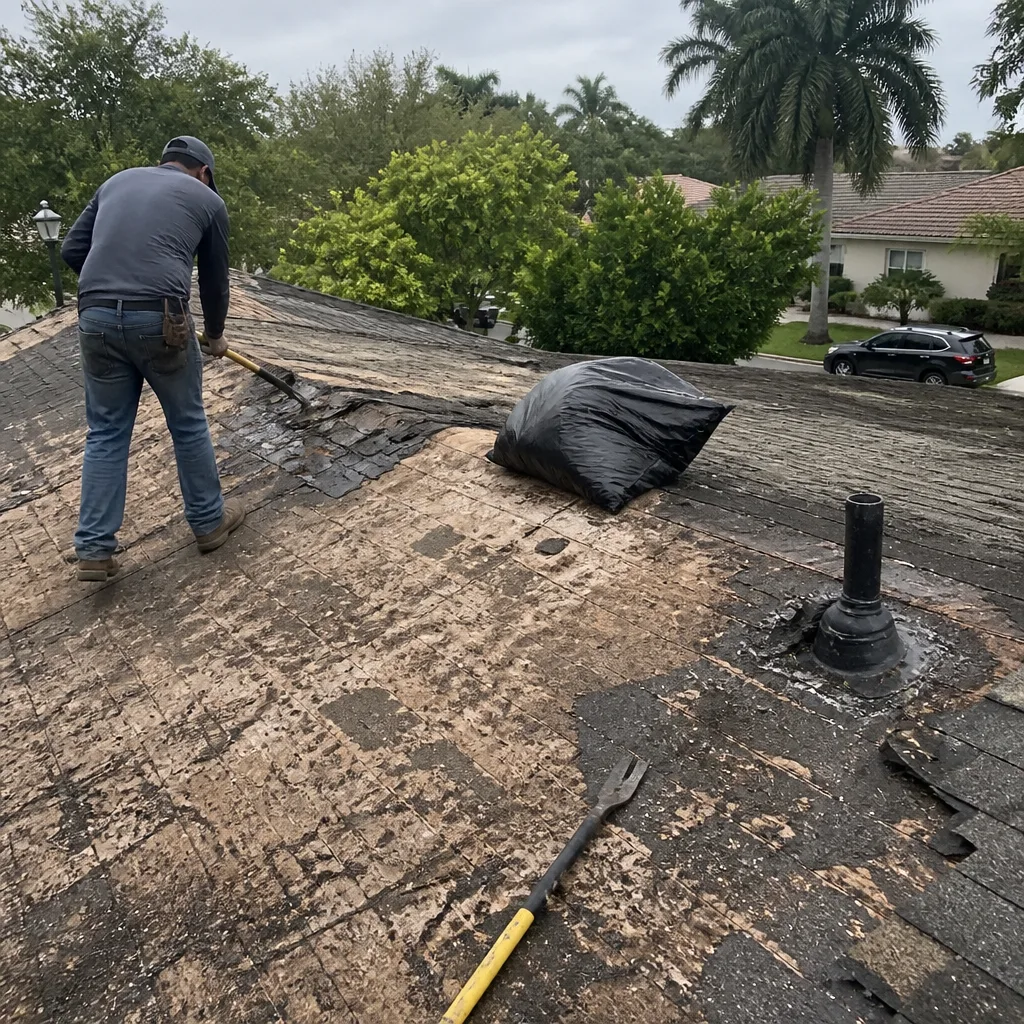 Before
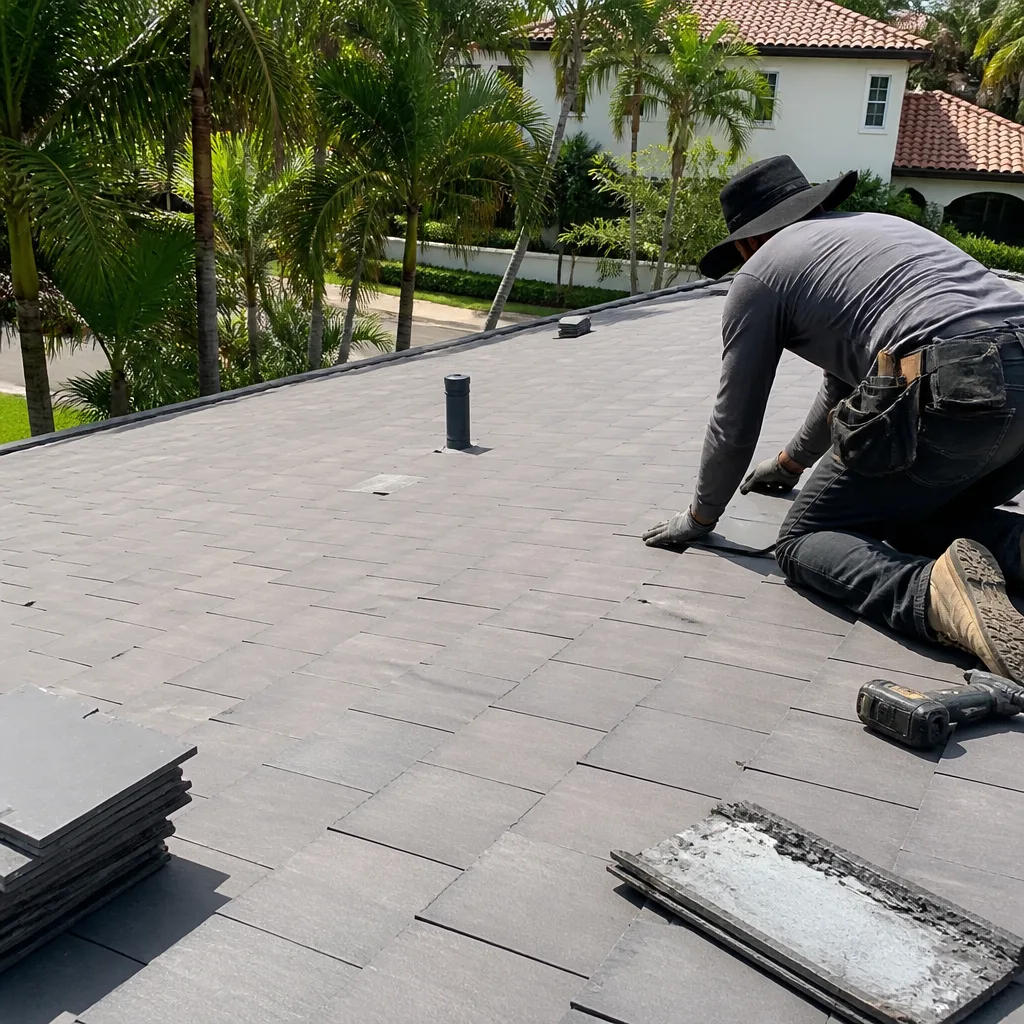 After
After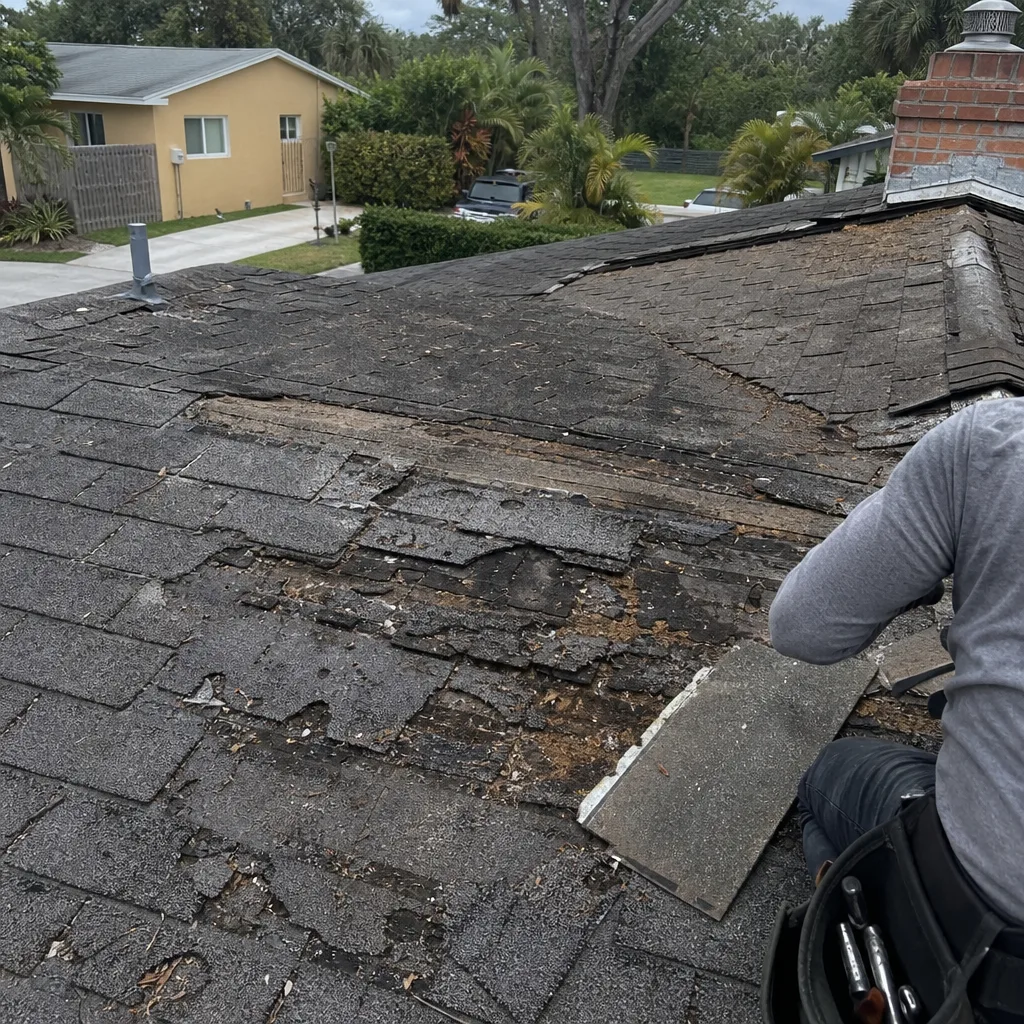 Before
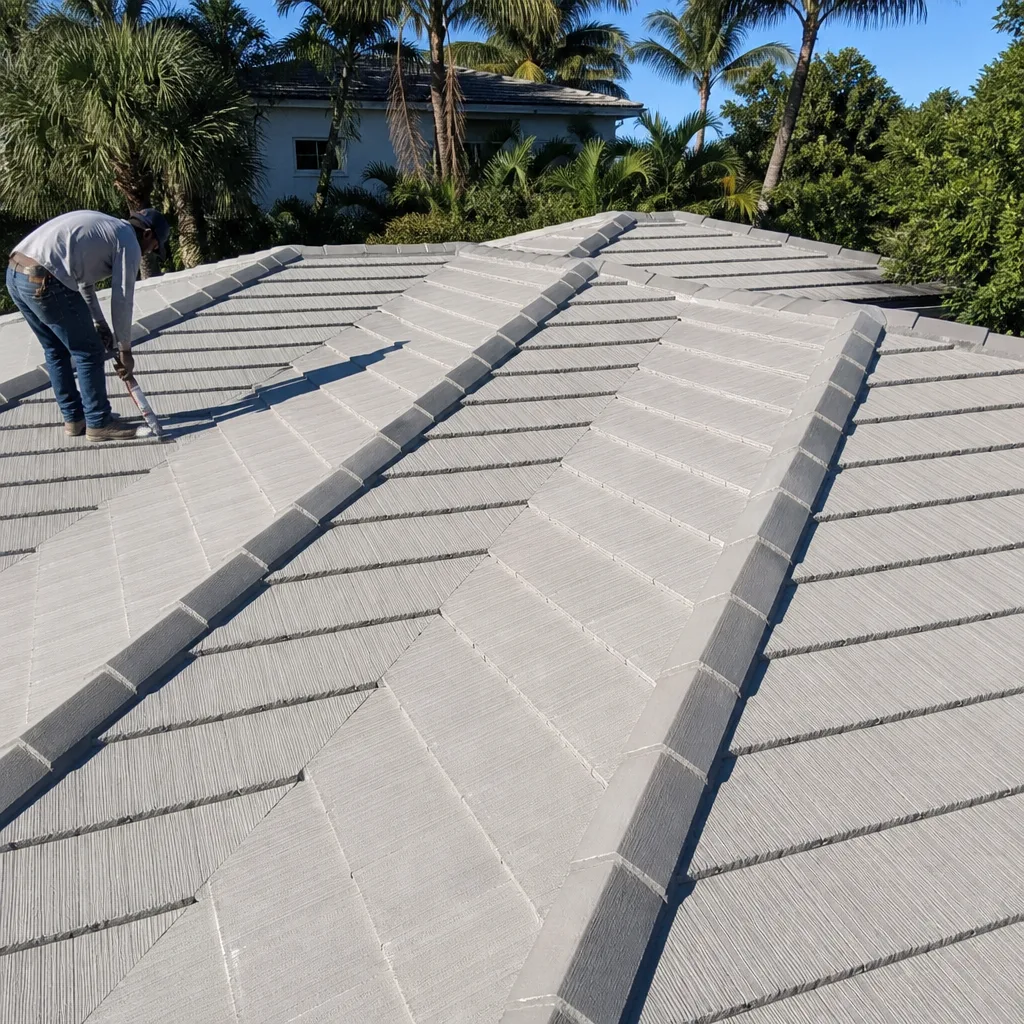 After
After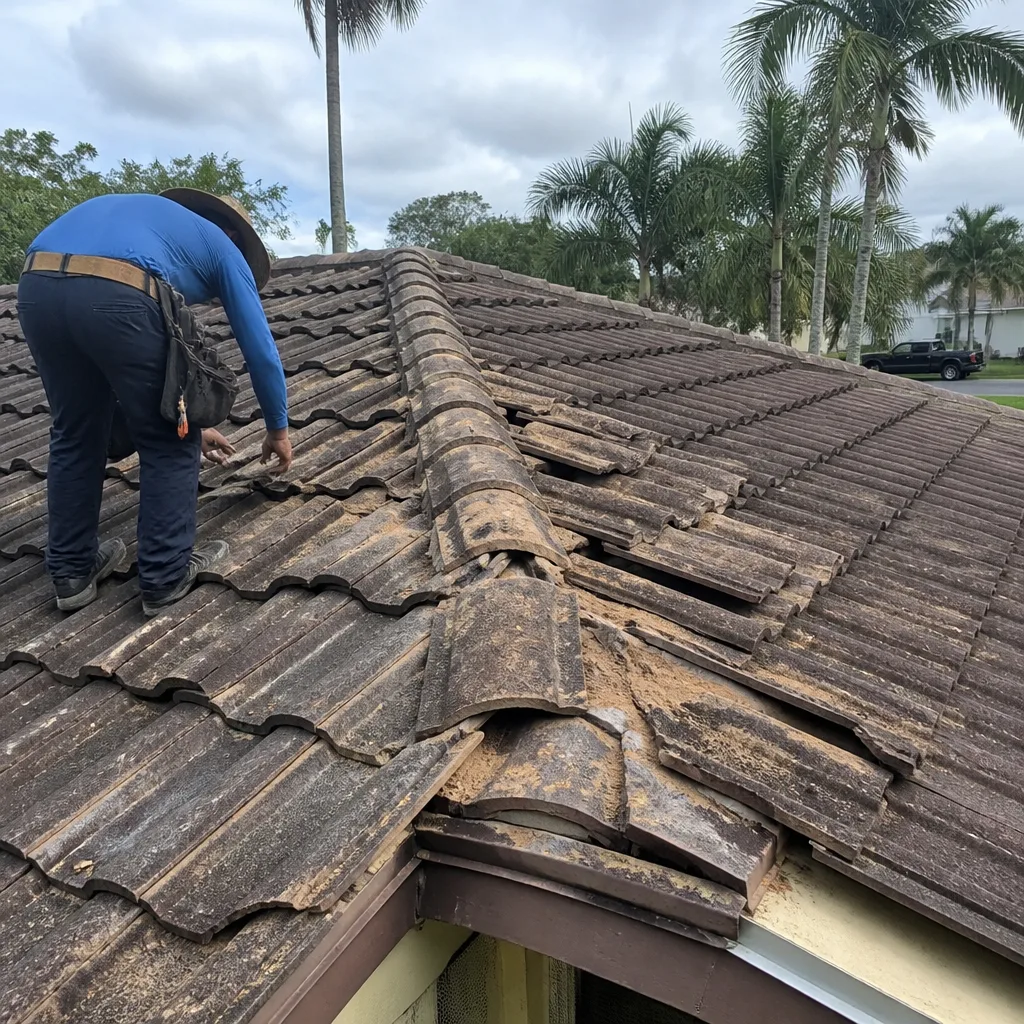 Before
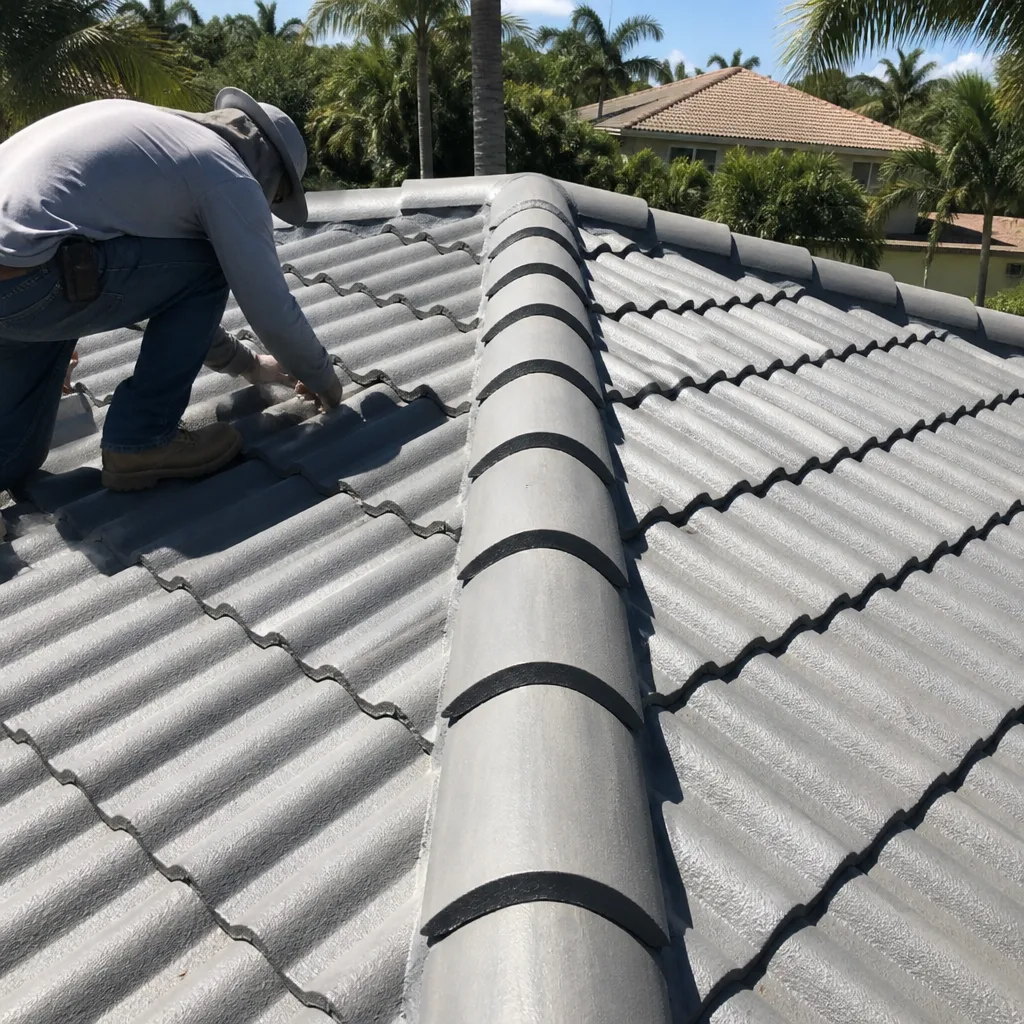 After
After