
Last updated October 17, 2026
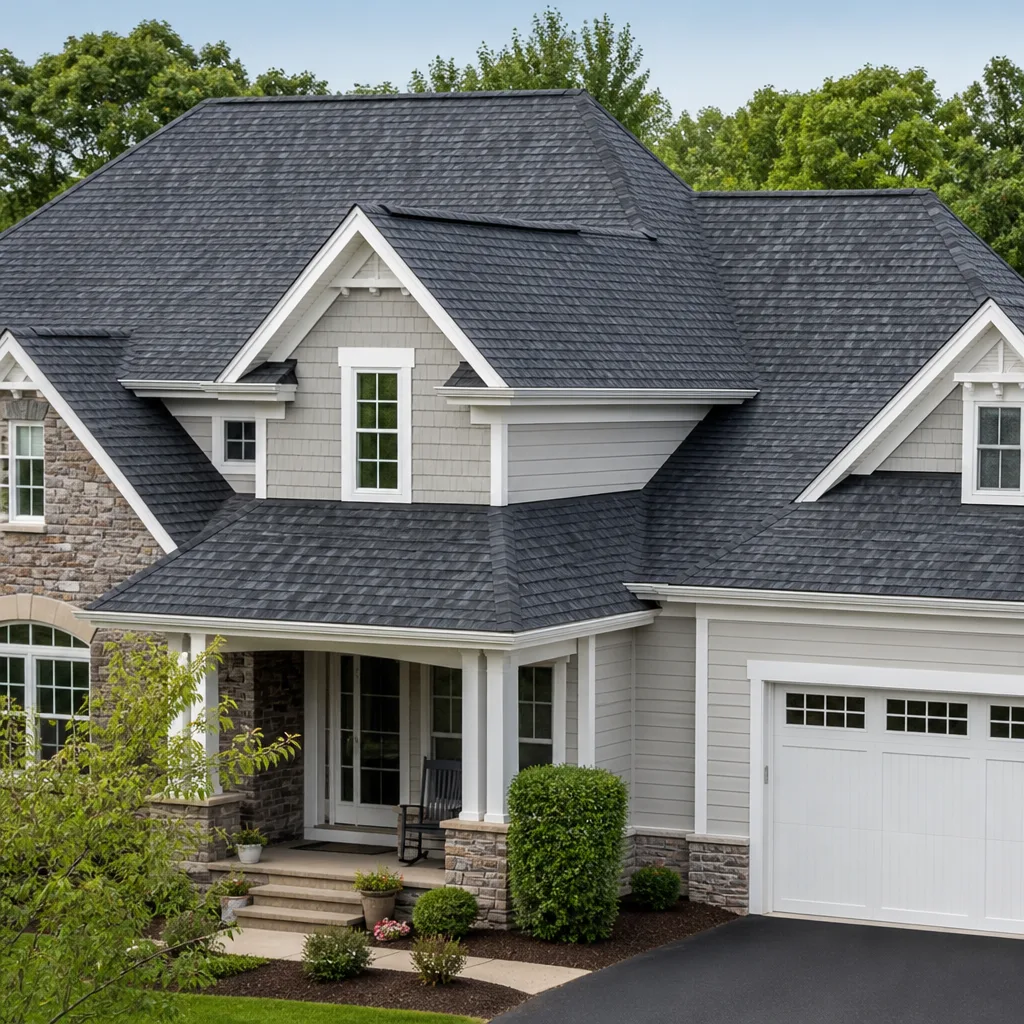
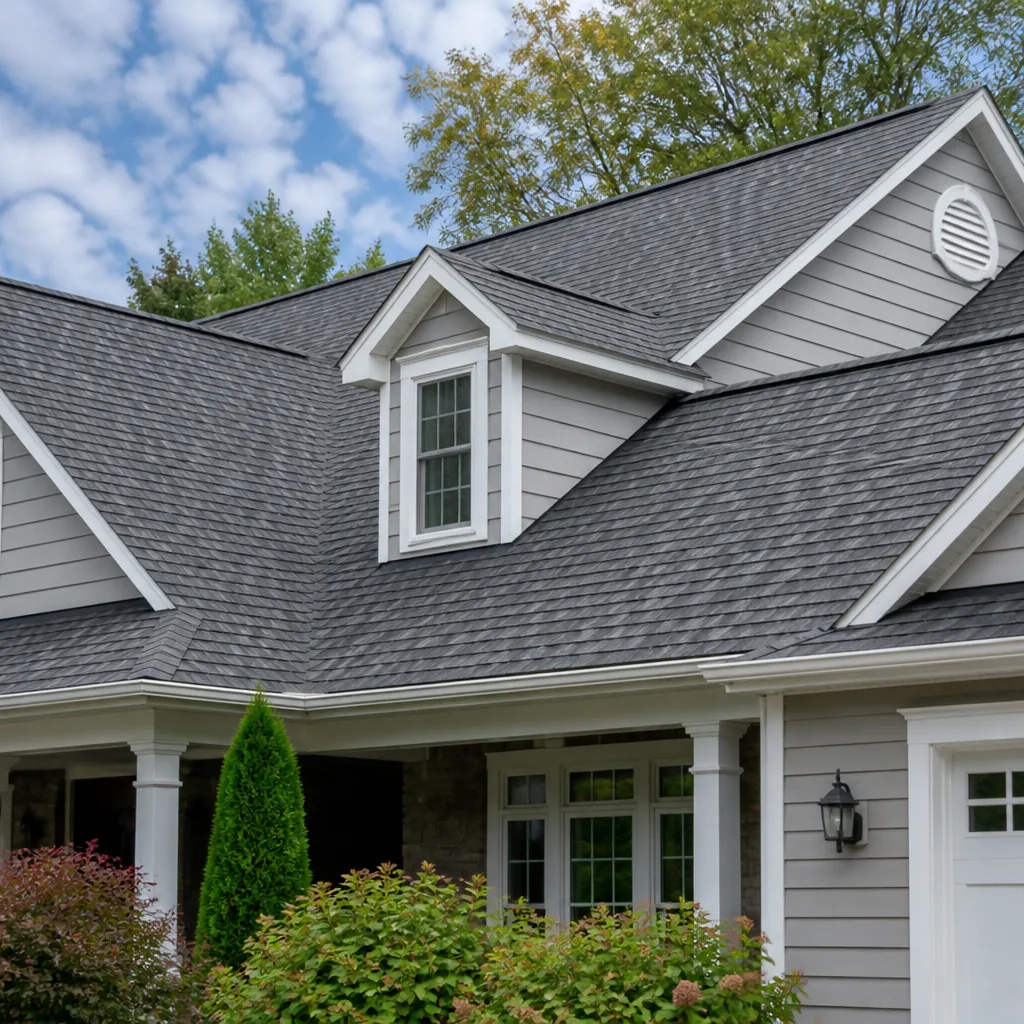 Architectural shingles
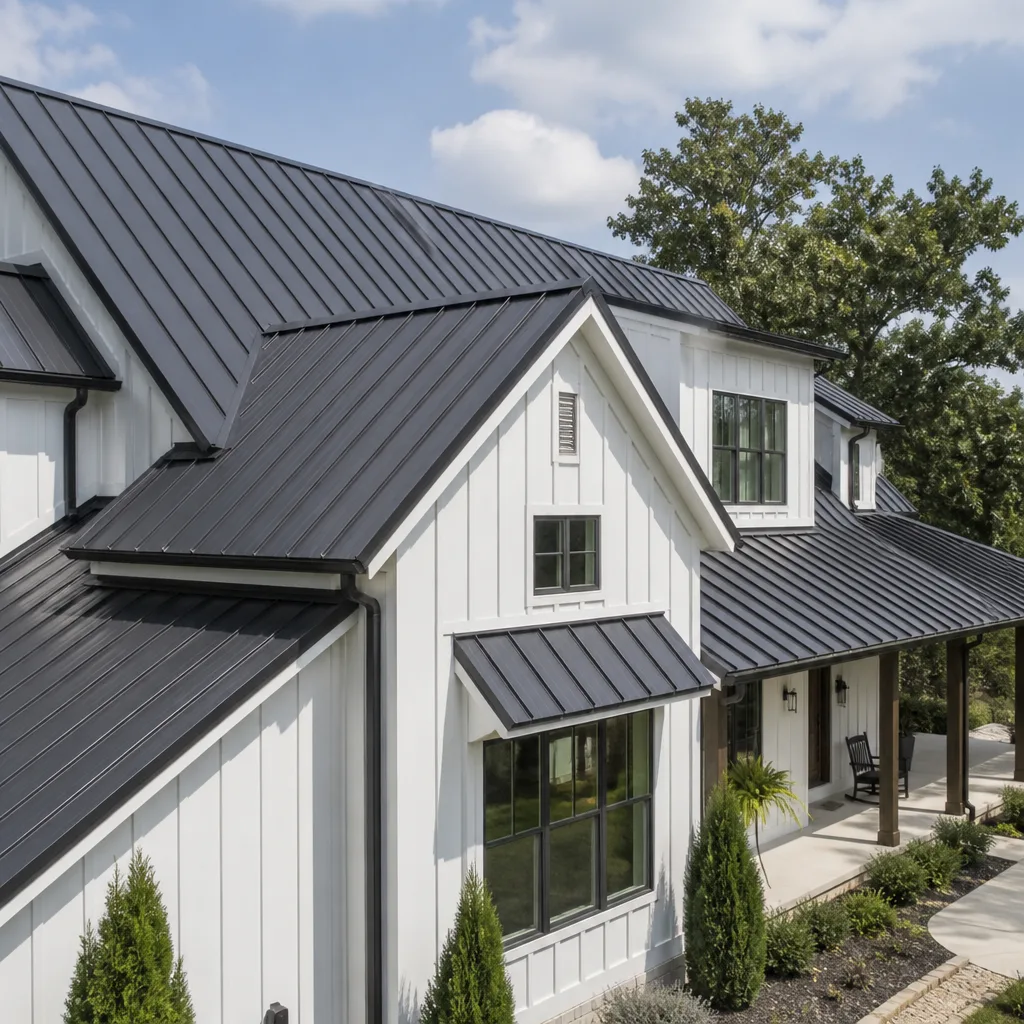 Metal roofing
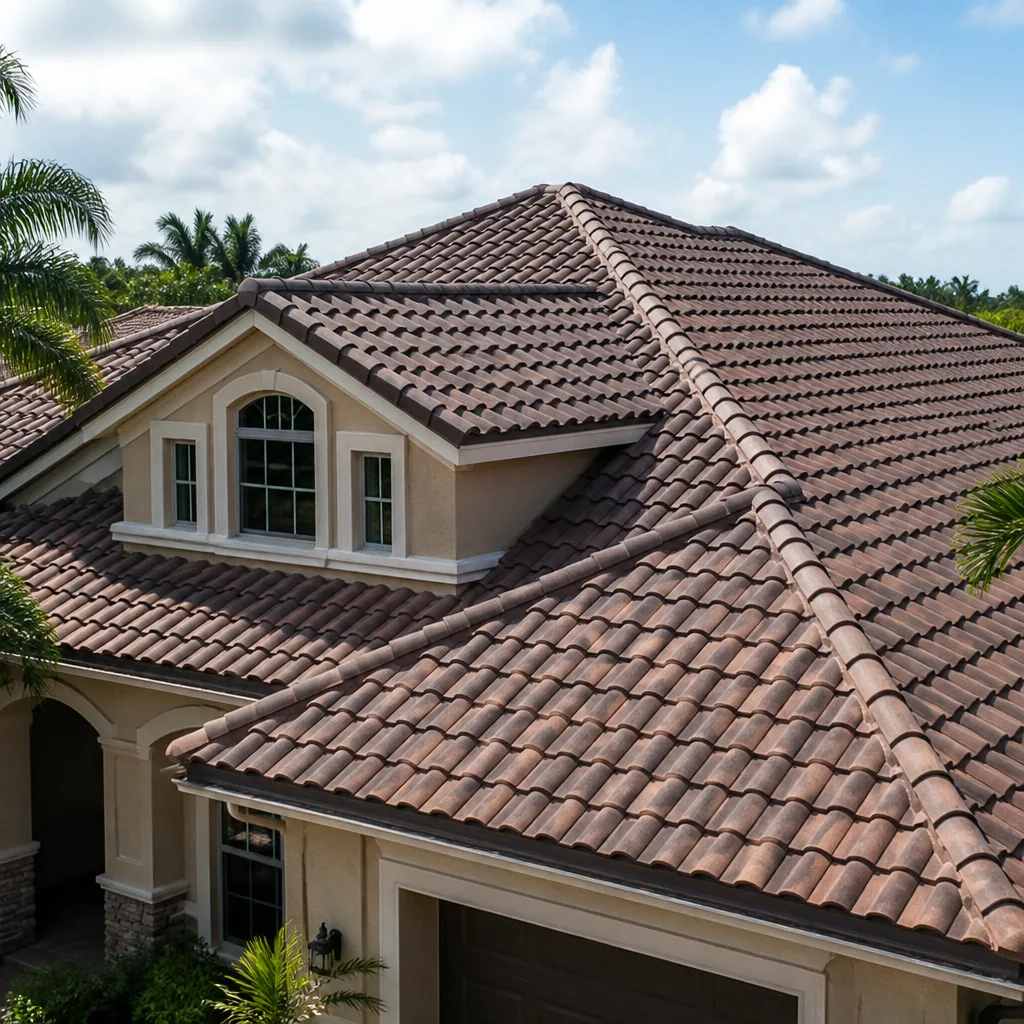 Tile roofing
 GAF
GAF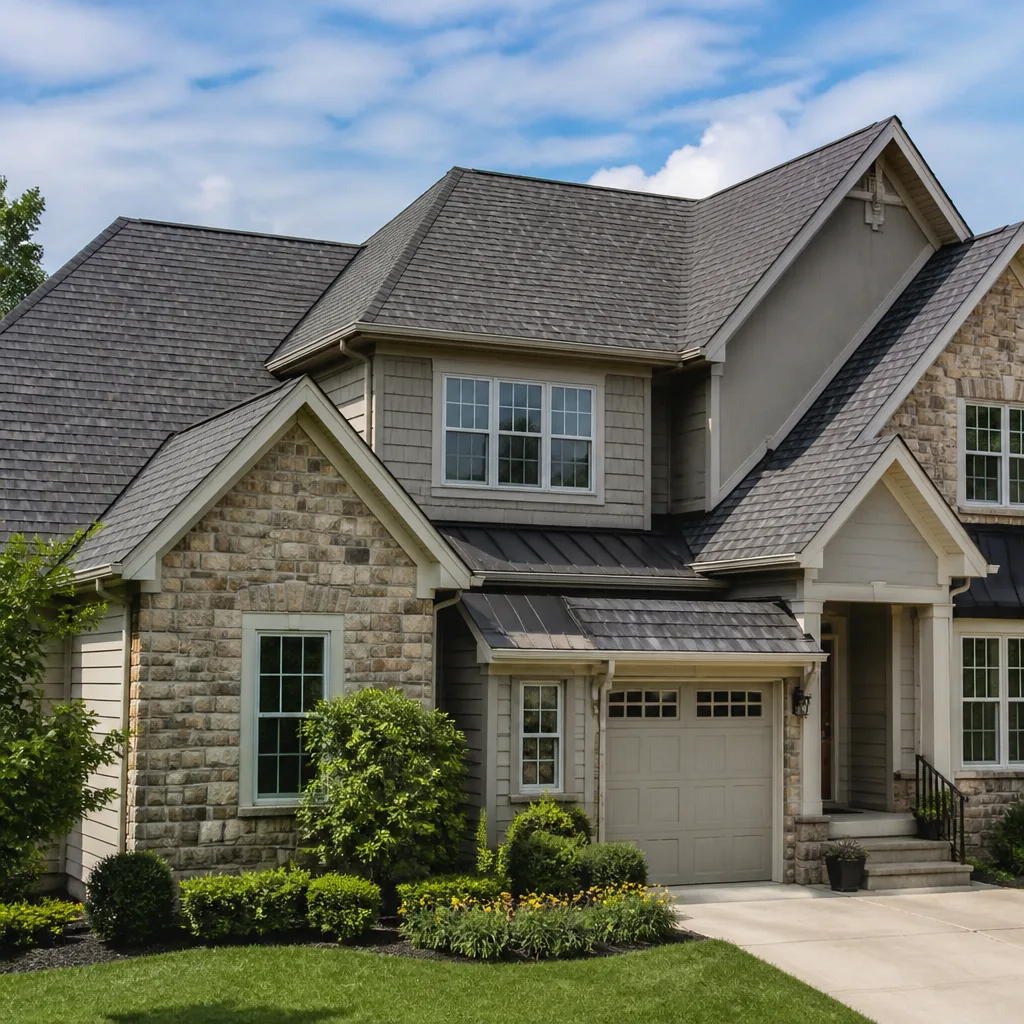 Owens Corning
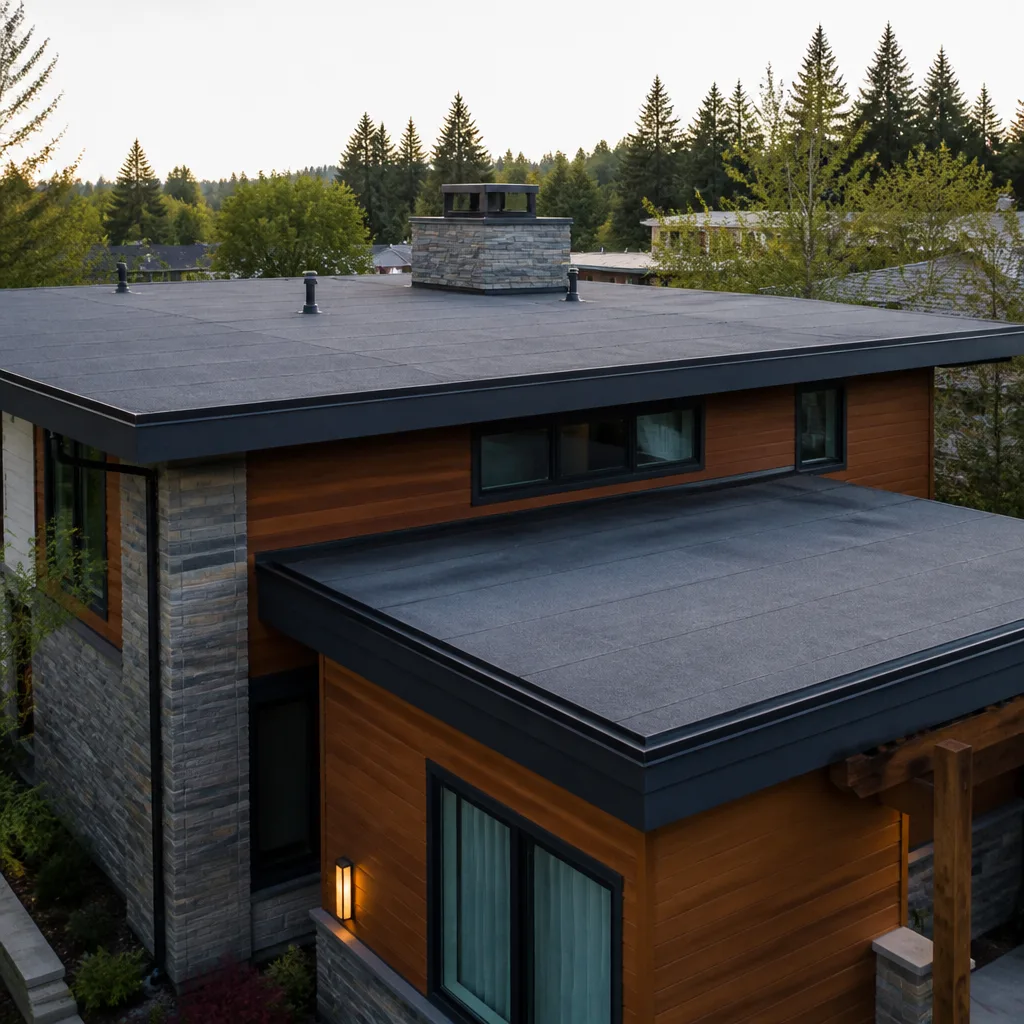 Flat & low-slope
Free roof inspection with deck photos before we talk money - GAF and Owens Corning certified installation
Roof Repair Maintenance Checklist for Fort Lauderdale Homeowners
Here’s a number most Fort Lauderdale roofers won’t tell you: after a hurricane, roughly 40 to 60 percent of the repair bills we write could have been avoided with a five-minute ground-level check done weeks earlier. The culprit is usually one small thing a lifted or missing drip edge, the metal strip along the roof’s outer edge that directs water into the gutters. When it fails, water finds its way under the shingles where you can’t see it until the ceiling stains show up. This guide lays out a Fort Lauderdale-specific maintenance calendar built around four stress events that actually matter here: pre-hurricane season prep, post-storm triage, dry-season heat checks, and the brief winter window when repairs are cheapest and crews are easiest to schedule.
Quick Answer
The most useful roof maintenance checklist for Fort Lauderdale homeowners isn’t a generic “inspect twice a year” list. It’s a month-by-month calendar tied to the city’s specific weather patterns: a May pre-hurricane inspection of drip edges and flashing, a thorough post-storm documentation and triage routine between June and November, dry-season heat and UV checks between March and May, and a winter scheduling window from December to February when roofing work is most affordable. Most of the checks can be done safely from the ground with binoculars or a phone camera, without ever climbing a ladder.
Styles & brands we work with
Table of Contents
- The Problem With Generic Roof Advice in Fort Lauderdale
- The Fort Lauderdale Roof Maintenance Calendar, Month by Month
- Ground-Level Checks Any Homeowner Can Do Safely
- The Drip Edge Problem: The Warning Sign Most People Miss
- Flashing and Sealant: The Deferred Repairs We Find Most
- Post-Storm Triage: What to Do Before the Adjuster Arrives
- Warranty and Permit Compliance: Maintenance That Protects You
- Common Mistakes to Avoid
- When to Call a Professional
- Frequently Asked Questions
The Problem With Generic Roof Advice in Fort Lauderdale
Most roof maintenance articles read like they were written for a house in Ohio. Inspect in spring. Inspect in fall. Look for ice dams. Fort Lauderdale has no ice dams. What it has is a seven-month hurricane season, relentless UV exposure that bakes shingles at 90-plus degrees from March through October, afternoon thunderstorms that can dump two inches of rain in an hour, and salt air that corrodes metal flashing faster than anywhere else in the state outside of the immediate coastline. A maintenance plan built for Ohio misses all of that.
The real maintenance calendar for a Fort Lauderdale roof runs on four distinct stress events:
- Pre-hurricane season prep – late April through May, before the June 1 start of hurricane season. This is when small problems should get fixed, not after a named storm is tracking toward the coast.
- Post-storm triage – June through November. After any storm with winds over 40 mph, a specific sequence of checks tells you whether you need a repair, an insurance claim, or just documentation for later.
- Dry-season heat check – March through May. UV degradation, thermal expansion, and dried-out sealant are at their peak before the rains return.
- Winter scheduling window – December through February. This is Fort Lauderdale’s brief dry, mild stretch, and it happens to be the most affordable time to schedule roof work.
If you only remember one thing from this guide, remember the May deadline. Every year, homeowners call us in August after a storm has already ripped off shingles, and the repair bill is larger than it would have been in May. The maintenance checklist below is built to prevent that call.
The Fort Lauderdale Roof Maintenance Calendar, Month by Month
Here is the month-by-month schedule we recommend for homeowners in Fort Lauderdale, based on two decades of working on roofs in this specific climate. None of these tasks require special equipment beyond a phone camera, a pair of binoculars, and occasionally a garden hose.
January – February: The Scheduling Window
December through February is Fort Lauderdale’s driest stretch, which makes it the best time to schedule any deferred Roof Repair services. Temperatures are cooler, meaning asphalt shingles are less pliable and crews aren’t fighting heat exhaustion by noon. By scheduling in this window, you get the work done before the thunderstorm season starts in earnest. This is also when we see the most competitive pricing on materials, since demand drops after the post-hurricane rush from the fall. If you know a repair is needed, don’t wait until May when every roofing company in Broward County is booked solid for pre-hurricane inspections.
March – April: Dry-Season Heat and UV Check
By March, Fort Lauderdale starts its march back toward 85-degree days, and the dry season means your roof is getting hammered by direct sun with no cloud cover. Two things to check during this window.
First, look for shingles that appear shiny or have visible granule loss running into the gutters. Second, check all roof penetrations pipes, vents, and any satellite dish mounts for cracked sealant. The heat-and-shrink cycle of spring dry weather is what cracks the caulk and rubber boots around these penetrations, and once the daily downpours start in June, water follows those cracks straight into your attic. This is the cheapest time of year to catch a sealant problem.
May: Pre-Hurricane Inspection
This is the single most important month on the Fort Lauderdale roof calendar. Hurricane season formally starts June 1, and every year it arrives with the same pattern: a named storm forms somewhere in the Atlantic, and suddenly every roof in South Florida is being inspected in the same week. Prices spike and crews are impossible to book. Do your inspection in early May, before the panic.
The pre-hurricane checklist is specific:
- Drip edge check – walk the perimeter at street level, look for any section of metal drip edge that appears lifted, bent, or missing. Use your phone camera and zoom in.
- Loose shingle check – use binoculars to scan the roof plane for any shingle whose edge is lifted, curled, or missing. A lifted shingle is the first thing a 40 mph wind gust will grab.
- Flashing check – look at the areas around chimneys, skylights, and where the roof meets any vertical wall. Flashing, the metal strips that seal those joints, should lie flat with no gaps.
- Gutter and downspout check – clear out any accumulated debris. Fort Lauderdale’s oak and palm trees drop enough material into gutters to create standing water, which backs up under the first course of shingles.
- Sealant check – look for any exposed caulk or roof cement around vents and pipes that appears cracked or pulling away from the surface.
If any of these items show a problem, schedule the repair immediately. May is the month when a small roof repair in Fort Lauderdale costs the least and prevents the most damage.
June – November: Post-Storm Triage Protocol
During hurricane season, the maintenance checklist shifts from prevention to triage. After any storm with sustained winds over 40 mph or any reported tornado or microburst in your area, run this sequence within 48 hours:
- Ground-level visual sweep – walk the entire perimeter of the house and look at the roof edge. You are looking for missing shingles, lifted drip edge, or any roof material on the ground.
- Document everything – photograph any visible damage from multiple angles before you touch anything. These photos become your insurance documentation.
- Attic check – on a sunny day, turn off the attic light and look for pinpricks of daylight coming through the roof deck. Also look for dark stains on the underside of the decking that indicate water intrusion.
- Ceiling check – check interior ceilings, especially around light fixtures and at the corners of rooms, for any new water stains.
- Call your roofer or insurer – if you found anything in steps one through four, make the call before the next storm arrives. Damage from one storm becomes worse damage from the next.
December: Year-End Wrap
After hurricane season ends on November 30, do one final perimeter check and make a list of anything that needs attention the following January. The winter window is short in South Florida, and homeowners who have their repair list ready in December can schedule work at the best rate of the year in January and February.
Ground-Level Checks Any Homeowner Can Do Safely
You do not need to climb on your roof to catch most problems. In our experience, about 80 percent of the issues that lead to major repair bills are visible from the ground with a pair of binoculars or a phone camera with a decent zoom. Here is the complete ground-level checklist, organized by what you are looking at.
What to Look For on Asphalt Shingle Roofs
Most homes in Fort Lauderdale’s older neighborhoods like Victoria Park, Rio Vista, and Sailboat Bend have asphalt shingle roofs. From the ground, look for:
- Curling or cupping shingle edges – shingles that no longer lie flat are at the end of their useful life and become wind-catch points during storms.
- Missing granules – check the gutters and the ground around downspouts after a heavy rain. A heavy accumulation of granules in the gutter means the shingles are shedding their UV-protective layer.
- Bare spots or dark patches – areas that look darker than the surround roof may have lost their granule layer entirely, exposing the asphalt substrate.
- Stains or streaks – black streaking is usually algae, which is a cosmetic issue but can hold moisture. Rust-colored staining near flashing points to a metal corrosion problem, which is a structural issue.
What to Look For on Tile Roofs
Homes in Fort Lauderdale’s newer developments and some older neighborhoods like Coral Ridge and Harbor Beach often have concrete or clay tile roofs. Tile roofs have different failure modes:
- Broken or cracked tiles – visible from the ground, especially after a storm. A cracked tile allows water to reach the underlayment beneath.
- Slipped tiles – a tile that has shifted out of position leaves a gap. Look for uneven tile lines along the roof plane.
- Debris accumulation – palm fronds and leaves that sit on tile roofs trap moisture against the tile and accelerate underlayment breakdown.
- Exposed underlayment – if you can see the dark felt material underneath a missing tile, the waterproofing layer is exposed and deteriorating quickly in Fort Lauderdale sun.
What to Look For on Flat or Low-Slope Roofs
Many Fort Lauderdale homes built in the 1950s and 1960s have flat or low-slope roofs, particularly in neighborhoods like Poinsettia Heights and Croissant Park. These roofs use membrane systems or modified bitumen rather than shingles:
- Ponding water – any water that remains standing 48 hours after a rain means the drainage is not functioning and the membrane is under constant stress.
- Cracks or blisters in the membrane – visible from the ground if you can get any elevation at all, and definitely visible from a ladder at the roofline. Blisters mean trapped moisture.
- Loose or lifting seams – the welded seams on membrane roofs are the first points to fail, especially at flashing terminations.
- Debris dams – leaves and palm fronds block the roof drains and scuppers, causing standing water.
The Drip Edge Problem: The Warning Sign Most People Miss
The drip edge is a narrow strip of metal, usually aluminum or galvanized steel, that runs along the entire perimeter of the roof where the shingles end at the fascia board. Its job is simple: direct rainwater off the roof edge and into the gutter rather than letting it wick back underneath the shingles and onto the roof deck. When the drip edge is intact, water has no way to migrate backward. When it is missing, bent, or lifting, water follows the underside of the shingle and saturates the decking.
What makes the drip edge the most important single check on a Fort Lauderdale roof is this: it fails silently. You will not see a leak inside the house until the decking is already wet, and by then the repair involves pulling shingles, replacing rotted wood, and reinstalling the drip edge correctly. We regularly see this on older homes in Fort Lauderdale where the original drip edge was never replaced when the roof was reshingled. The new shingles look fine. The hidden water damage underneath is not fine.
How to check your drip edge from the ground: stand at each corner of the house and look along the roofline. The drip edge should be a clean, straight metal line running continuously along the roof edge. What you are looking for:
- Visible gaps – any section where the metal line disappears or appears broken.
- Wavy or lifted sections – wind catches the outer edge and pries it upward over time, especially on the east-facing sides of homes that take the brunt of Atlantic storms.
- Rust or corrosion – Fort Lauderdale’s salt air accelerates metal breakdown. If the drip edge is steel rather than aluminum, it will start rusting at the fastener points first.
- Discolored fascia board beneath – water stains on the wood fascia directly under the drip edge mean water is already getting behind it.
If you see any of these on your drip edge, the repair is typically straightforward and inexpensive compared to the alternative. A failing drip edge in Fort Lauderdale, left through one hurricane season, can turn a $300 metal replacement into a $3,000 decking repair. The drip edge check takes five minutes. It is the single highest-value maintenance task on this entire checklist.
Flashing and Sealant: The Deferred Repairs We Find Most
After drip edge failures, the most common deferred maintenance we find on Fort Lauderdale roofs is degraded flashing and failed sealant. These two components share a common trait: they are small, cheap, and easy to replace, but when they fail, the damage travels far beyond the point of failure.
Flashing Failures
Flash is the metal material used to seal the roof at every penetration and transition point: around chimneys, around skylights, where a roof meets a vertical wall, and around vent pipes. In Fort Lauderdale’s climate, flashing fails in three predictable ways:
- Corrosion from salt air – homes within two to three miles of the Atlantic in neighborhoods like Harbor Beach, Las Olas Isles, and Rio Vista experience noticeably faster flashing corrosion than homes further inland like Plantation or Davie.
- Thermal expansion and contraction – metal expands and contracts with temperature swings. Fort Lauderdale’s daily cycle of hot days and cooler nights, repeated thousands of times, eventually causes metal fatigue at the seams and fastener points.
- Failed counter-flashing – the upper piece of flashing that overlaps the base flashing is often the first to pull away, especially at chimney-to-roof junctions. Once the counter-flashing gap opens, water runs straight down the chimney brick and into the attic.
Sealant Failure
Sealant, often called roof cement or caulk, is the flexible material applied around roof penetrations to create a watertight bond between the pipe or vent and the roofing material. In Fort Lauderdale’s heat, sealant dries out and cracks typically within three to five years. The UV exposure breaks down the polymer bonds in the caulk, and once a crack opens, every afternoon thunderstorm funnels water directly through it.
From the ground, check sealant by focusing binoculars or your phone camera on:
- Plumbing vent pipes – the rubber boot at the base of the pipe should look intact and flush against the roof. Cracks in the rubber or visible gaps between boot and pipe are failures.
- Satellite dish mounts and antenna mounts – every mount is a roof penetration and every penetration needs fresh sealant on a recurring schedule.
- HVAC roof jacks and exhaust vents – the caulk bead around the metal flashing of these units should be unbroken.
The frustrating part of sealant failure is that the repair is genuinely simple: remove old caulk, clean the surface, apply new sealant. Fifteen minutes of work. The expensive part only happens when the sealant failure goes unaddressed through a rainy season and the water damage spreads to the decking and interior ceiling. In Fort Lauderdale, a $50 sealant repair done in April prevents a $1,500 ceiling repair in August.
Post-Storm Triage: What to Do Before the Adjuster Arrives
When a hurricane or strong thunderstorm passes through Fort Lauderdale, homeowners face a dilemma: do I call my insurer first or my roofer first? The correct answer is neither. The correct sequence is to document first, then call. Here is the proper post-storm triage protocol, in exact order.
Step 1: Safety Sweep Before the Sky Clears
Before you go outside, check for downed power lines in your yard or street. After any significant storm in Fort Lauderdale, FPL lines can come down in the oddest places. Once you have confirmed the exterior is safe, do the ground-level visual sweep described earlier. Take photos from at least three angles of anything suspicious. Phone photos with location data embedded are best.
Step 2: Interior Check
Go inside and check every ceiling, especially along the perimeter walls, around light fixtures, and in closets that butt against exterior walls. Water travels, and the stain on your ceiling may be ten feet from the actual point of entry. Photograph any stains immediately, before they dry and become less visible.
Step 3: Attic Check With a Flashlight
If you have attic access, go up with a bright flashlight, not just your phone. Look at the underside of the roof decking for any dark wet spots, any daylight showing through the deck, and any water trails running down the rafters. Photograph everything you find. These attic photos are often the most compelling evidence for an insurance claim because they show the water intrusion from the inside.
Step 4: Tarp If Necessary
If water is actively entering your home, the priority is to stop the intrusion before the next rain event. A temporary tarp is a legitimate emergency measure. Do not attempt a permanent repair yourself while the roof is still wet and the conditions are hazardous. A tarp is a stopgap, not a solution.
Step 5: The Calls
Only after steps one through four should you call your insurance company to open a claim and then call a Fort Lauderdale roofing contractor for a professional assessment. When the roofer arrives, show them your photos. Good documentation speeds up the assessment and helps ensure the insurance adjuster sees the same damage you saw.
A note on documentation: adjusters often arrive days or weeks after a storm, by which time stains have dried, shingles have shifted, and the damage is less obvious. Your photos from the day of the storm are the most important evidence you will have. Take more photos than you think you need.
Warranty and Permit Compliance: Maintenance That Protects You
Two things homeowners rarely think about until there is a problem: Roofing Permits, Codes & Inspections in FL: What You Need to Know and manufacturer material warranties. Both are directly affected by the maintenance decisions you make.
Broward County Permit Requirements
Broward County requires permits for most roofing work beyond basic maintenance. Minor repairs, defined generally as replacing a small section of shingles or resealing a penetration, typically do not require a permit. Anything involving structural repair, decking replacement, or work that changes the roof system does require a permit. This is not bureaucratic red tape: the permit process ensures the work is inspected and meets the Florida Building Code’s wind mitigation requirements, which are among the strictest in the country for good reason.
For a homeowner, the practical implication is simple: if a contractor tells you a major roof repair in Fort Lauderdale does not need a permit when it clearly involves structural work, that is a red flag. The work might be cheaper, but an unpermitted repair can create problems when you sell the home and can void your insurance coverage if the repair later fails.
Manufacturer Warranty Protection
Shingle manufacturers like GAF and Owens Corning offer material warranties that range from basic limited lifetime coverage to enhanced warranties that include labor. What many homeowners do not realize is that these warranties require the roof to be properly maintained. A manufacturer will deny a warranty claim if the damage was caused by neglect: a blocked gutter that caused water backup, a tree limb that punctured the roof and was never repaired, a satellite dish that was removed leaving an unsealed penetration through the deck.
The maintenance checklist in this guide is also a warranty protection plan. Every shingle check, every sealant inspection, every drip edge verification is documentation that you fulfilled your maintenance obligation. Keep digital photos with dates. If you ever file a warranty claim, those photos are your evidence.
One more thing worth knowing: the warranty on roofing materials from manufacturers like Atlas, GAF, and Boral covers the materials themselves. The workmanship is covered separately by the contractor who installs or repairs the roof, if that contractor offers a workmanship warranty at all. Before you hire anyone for a repair, ask for the workmanship warranty in writing. If the answer is vague, that is your answer.
Common Mistakes to Avoid
- Waiting until June to schedule a pre-hurricane inspection. By the time hurricane season officially starts, Fort Lauderdale roofing companies are booked for weeks. Schedule your inspection in early May, and if a repair is needed, you have time to get it done before the first named storm forms in the Atlantic.
- Checking the roof only from the front of the house. The windward side of a Fort Lauderdale roof, typically the east or southeast-facing slope, takes the most weather damage. Walk the entire perimeter, including the back and side elevations, and check all roof slopes, not just the one you can see from the driveway.
- Ignoring the drip edge because it looks decorative. The drip edge is not decorative. It is the single most common failure point we find on damage calls after storms in Fort Lauderdale, and it is also one of the cheapest items to repair. Check it every May.
- Relying on a home insurance inspection as your maintenance plan. Insurance inspections happen every few years, and they are focused on the insurer’s risk, not your roof’s health. A roof can fail between inspections. The maintenance calendar in this guide is the thing that catches problems before they become claims.
- Doing your own roof repair to save money. Walking on a roof is dangerous, especially on Fort Lauderdale’s tile roofs and on shingle roofs after rain. Even if you are capable of the work, an improper repair can void the manufacturer’s material warranty and create a new leak. The safety risk and the warranty risk together outweigh the savings.
- Not documenting maintenance and repairs. Keep a folder on your phone with dated photos of every inspection, every repair invoice, and every warranty document. When you sell your home, this documentation proves the roof was maintained and retains value in the negotiation.
- Scheduling non-emergency work during hurricane season. From June through November, roofing crews are stretched thin with storm response. If you have non-urgent work, schedule it for December through February. You will pay less, book faster, and get better attention to detail.
When to Call a Professional
Some roof problems are obvious: water coming through the ceiling, a tree limb through the deck, shingles missing after a storm. But many problems warrant a professional assessment even when nothing is visibly wrong. Call a Fort Lauderdale roofer if you see repeated granule loss in your gutters after three consecutive cleanings, if you notice water stains on the ceiling that grow after each rain, if the attic smells musty or shows mold on the underside of the decking, or if your roof is over 15 years old and has never had a professional inspection. Any of these suggests the problem is underway somewhere you cannot see. Crestview Roofing Co Fort Lauderdale offers free estimates in Fort Lauderdale – call (754) 354-8628.
Frequently Asked Questions
You should do a full ground-level inspection twice a year – once in early May before hurricane season and once in December after hurricane season ends. In between, do a quick check after any storm with winds over 40 mph. The quick checks take five minutes and catch the problems that become expensive repairs. Call (754) 354-8628 if any check turns up something suspicious – estimates are free.
Small repairs in Fort Lauderdale like resealing a vent pipe or replacing a section of drip edge typically run $250 to $600. Moderate repairs like replacing flashing around a chimney or fixing a small section of rotted decking usually run $800 to $2,500. Major repairs involving large sections of decking or multiple roof slopes can run $3,000 to $8,000. Every Crestview repair includes a written price before work starts, so the number you see is the number you pay. For an exact quote on your roof, call (754) 354-8628.
A full roof replacement in Fort Lauderdale typically falls between $12,000 and $28,000 depending on roof size, material, and the condition of the existing decking. Asphalt shingle replacements on an average 2,500-square-foot home usually start around $14,000. Tile and metal roofs run higher. Regardless of the final number, you should receive a written line-item quote before any work begins, with no change orders that were not explained to you in advance. If you are considering replacement, call (754) 354-8628 for a written quote at no cost.
It should not, if the contractor did a proper assessment before quoting. At Crestview, the written price you receive before any work begins is the price you pay when the job is done. The only exception we would consider legitimate is if we open up the roof and discover decking damage that was impossible to see from the surface, and in that case you would be shown photos of the damage and given a new written price before any additional work proceeds. You should never accept a roofer in Fort Lauderdale who quotes one number and then hands you a bill for another without prior written approval.
For any roofing work in Fort Lauderdale that requires a permit under Broward County code, yes, the permit is pulled before work begins and the final inspection is scheduled after the work is complete. Minor repairs like sealant replacement or small shingle patching generally do not require a permit, but structural repairs and full replacements do. If a contractor suggests skipping a required permit, that is a reason to find a different contractor. Call (754) 354-8628 to discuss what your specific project requires.
Most small repairs, such as a drip edge section or a flashing patch, are completed in a single visit of two to four hours. Moderate repairs that involve decking replacement or multiple flashing points typically take one full day. Full roof installation projects run three to seven days depending on size and material. The scheduling itself is usually the longest part of the process, which is why we recommend scheduling non-urgent repairs in the winter months when crews have more availability. For a timeline specific to your repair, call (754) 354-8628.
The Bottom Line
The house you own in Fort Lauderdale sits under a roof that takes more environmental stress than almost any roof in the continental United States: seven months of hurricane exposure, year-round UV, daily thermal expansion cycles, and corrosive salt air. The maintenance checklist that actually works here is the one built around those realities. Check the drip edge before June. Reseal the penetrations before the afternoon thunderstorms start in April. Document everything after every storm. Schedule the winter repairs in December. Do those things, and your roof will last years longer. Skip them, and the repair bill will eventually find you anyway. Crestview Roofing Co Fort Lauderdale is here when you need a professional pair of eyes on it – call (754) 354-8628 for a free estimate.
Written by Dylan Pace, Owner at Crestview Roofing Co Fort Lauderdale, serving Fort Lauderdale since 2000. For more guides & resources, visit our blog.
See the difference
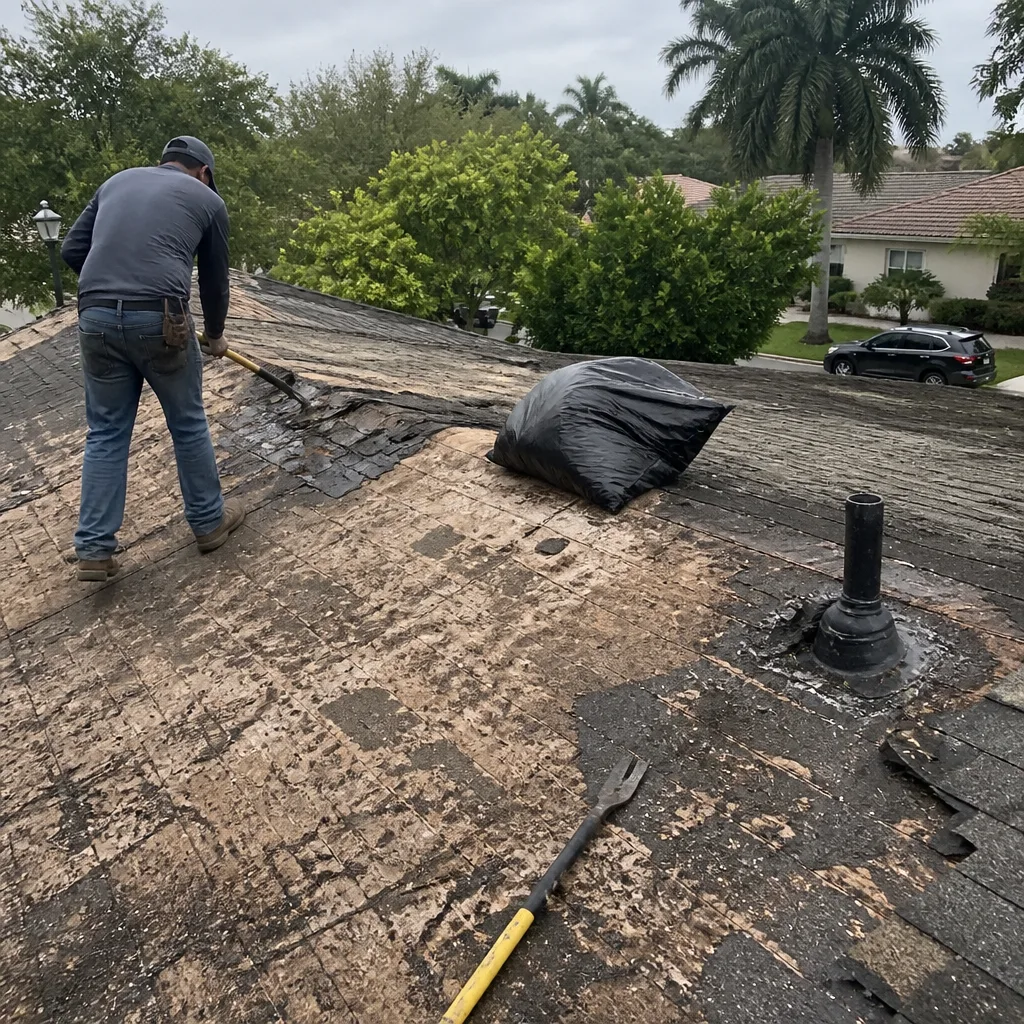 Before
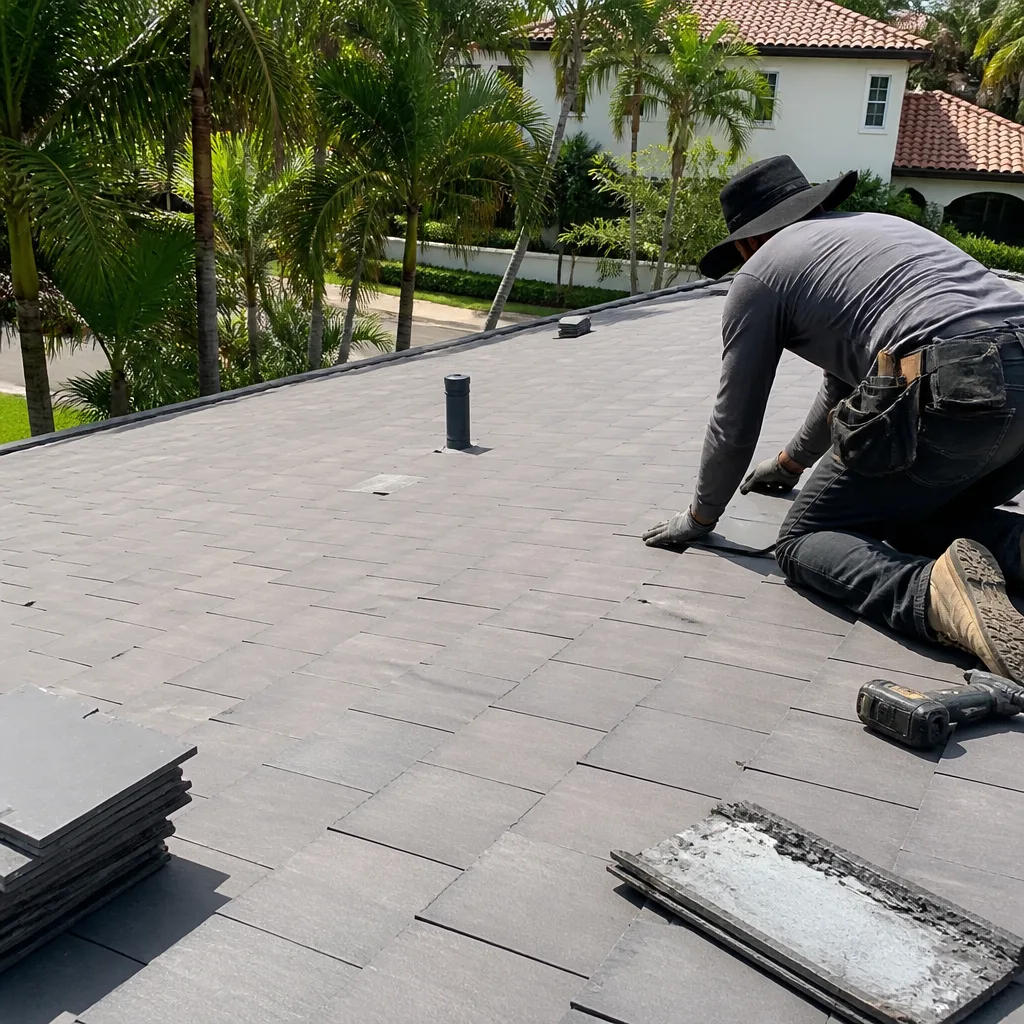 After
After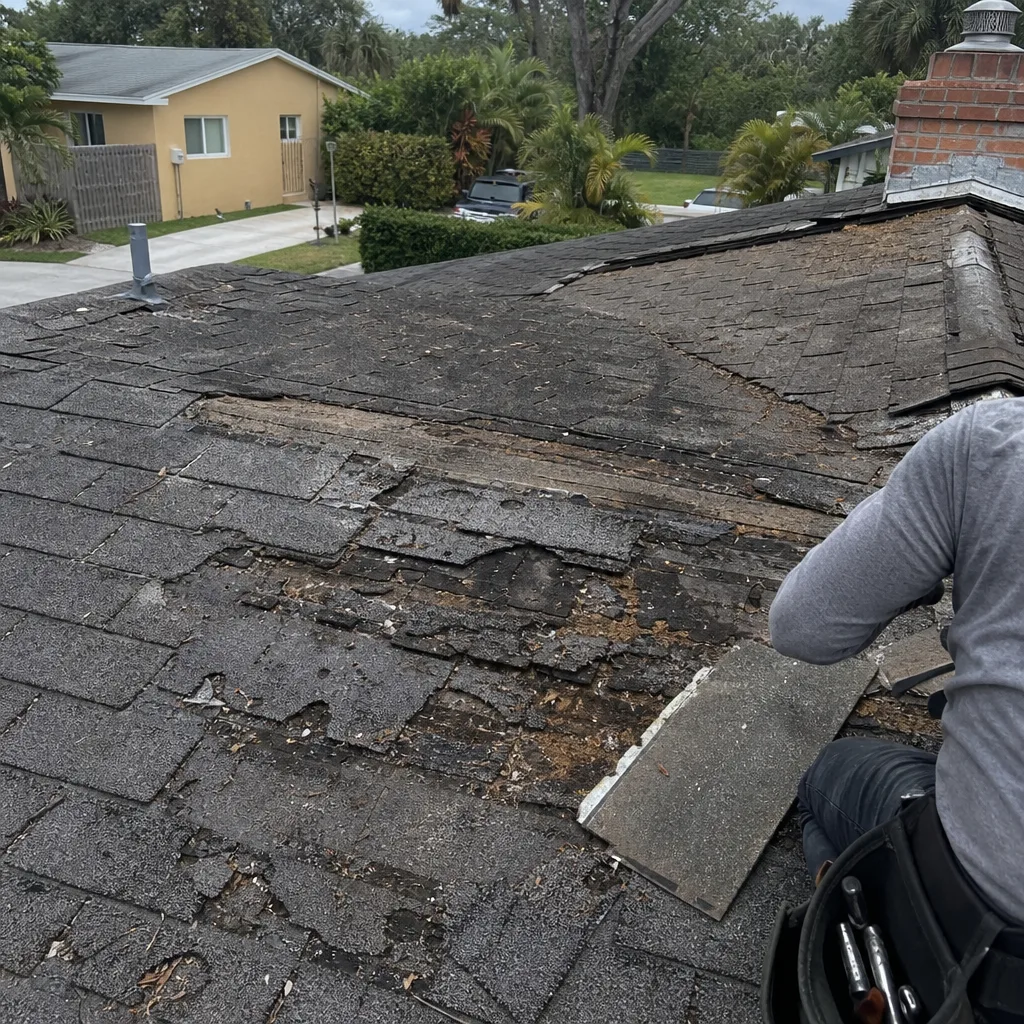 Before
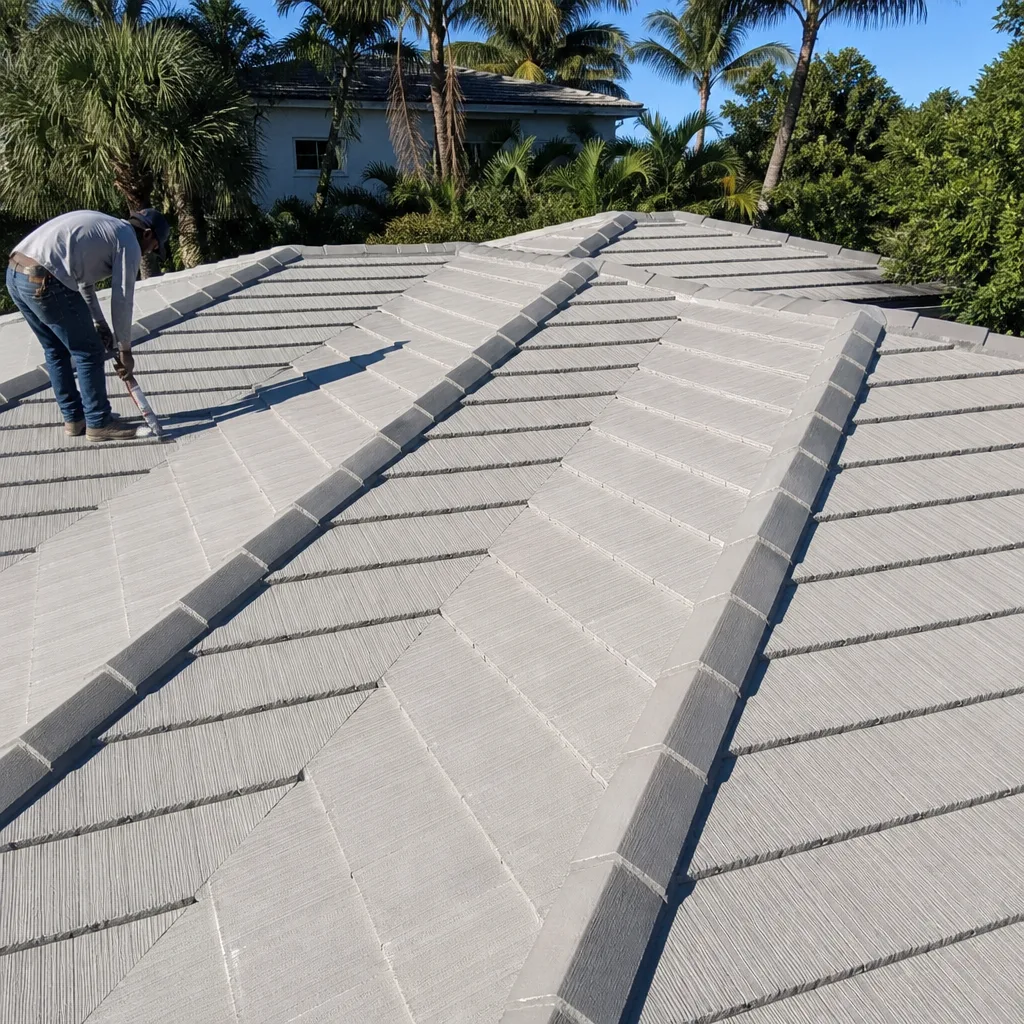 After
After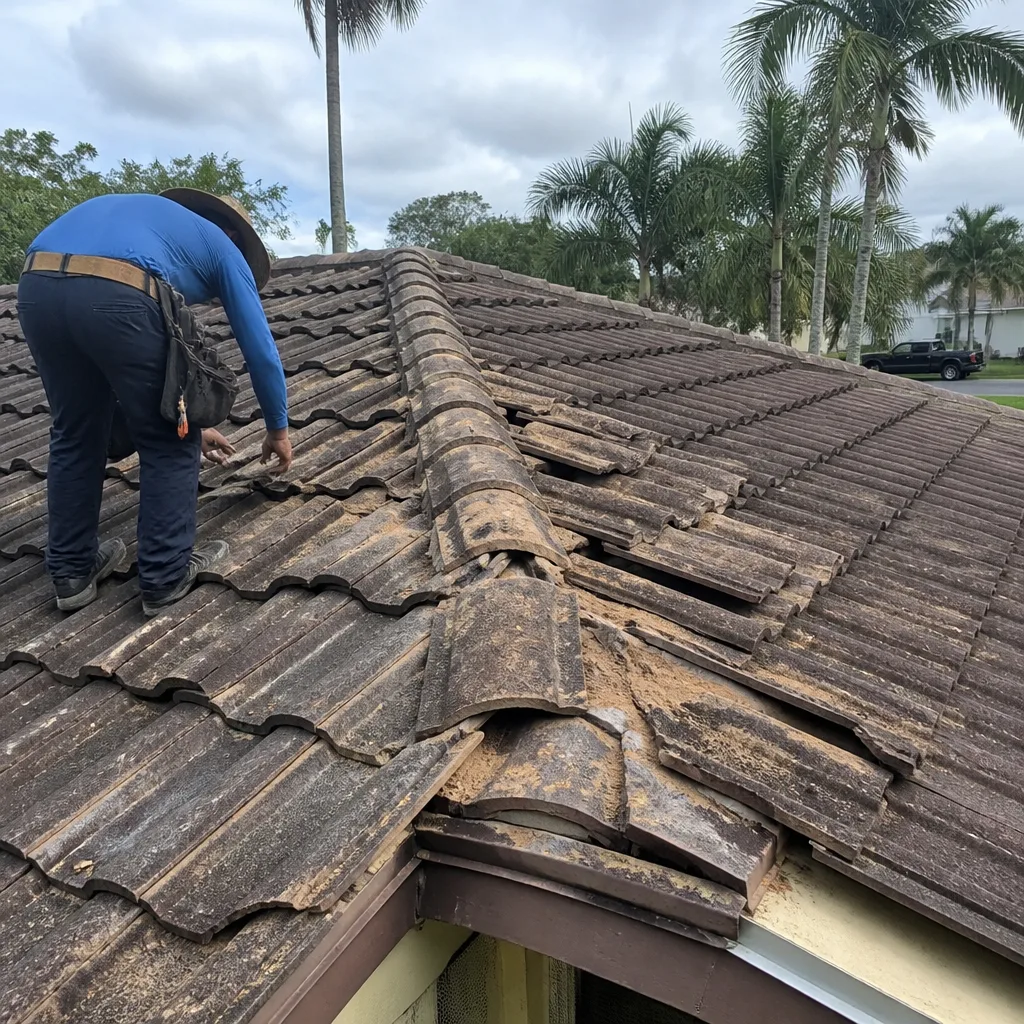 Before
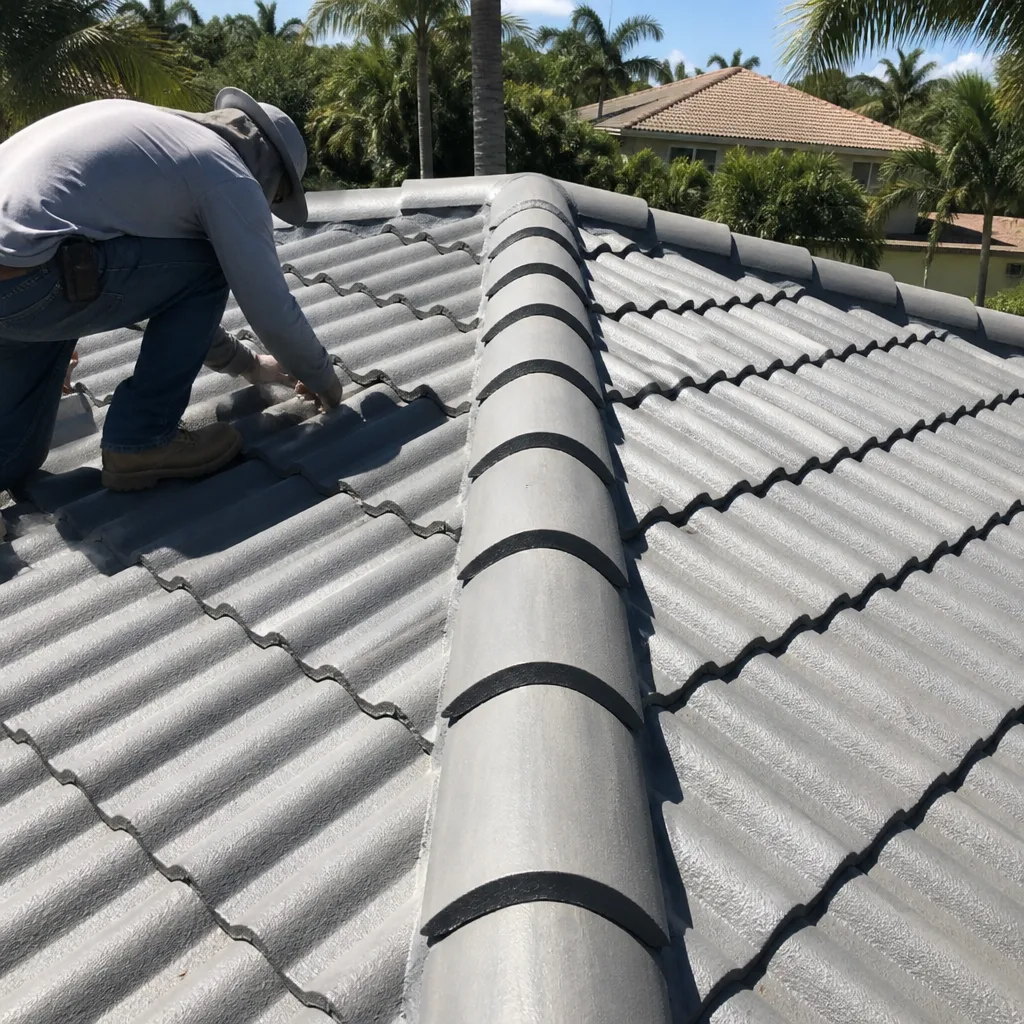 After
After