
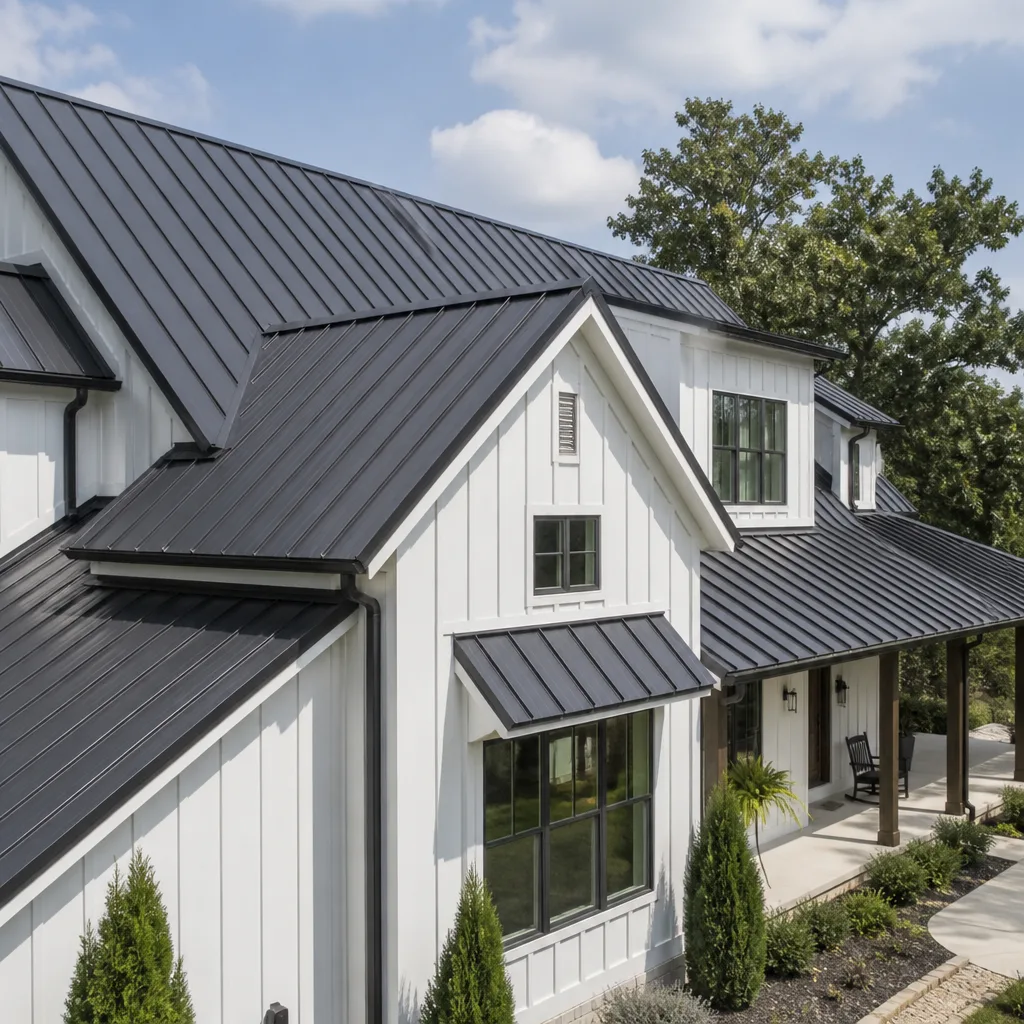
 Metal roofing
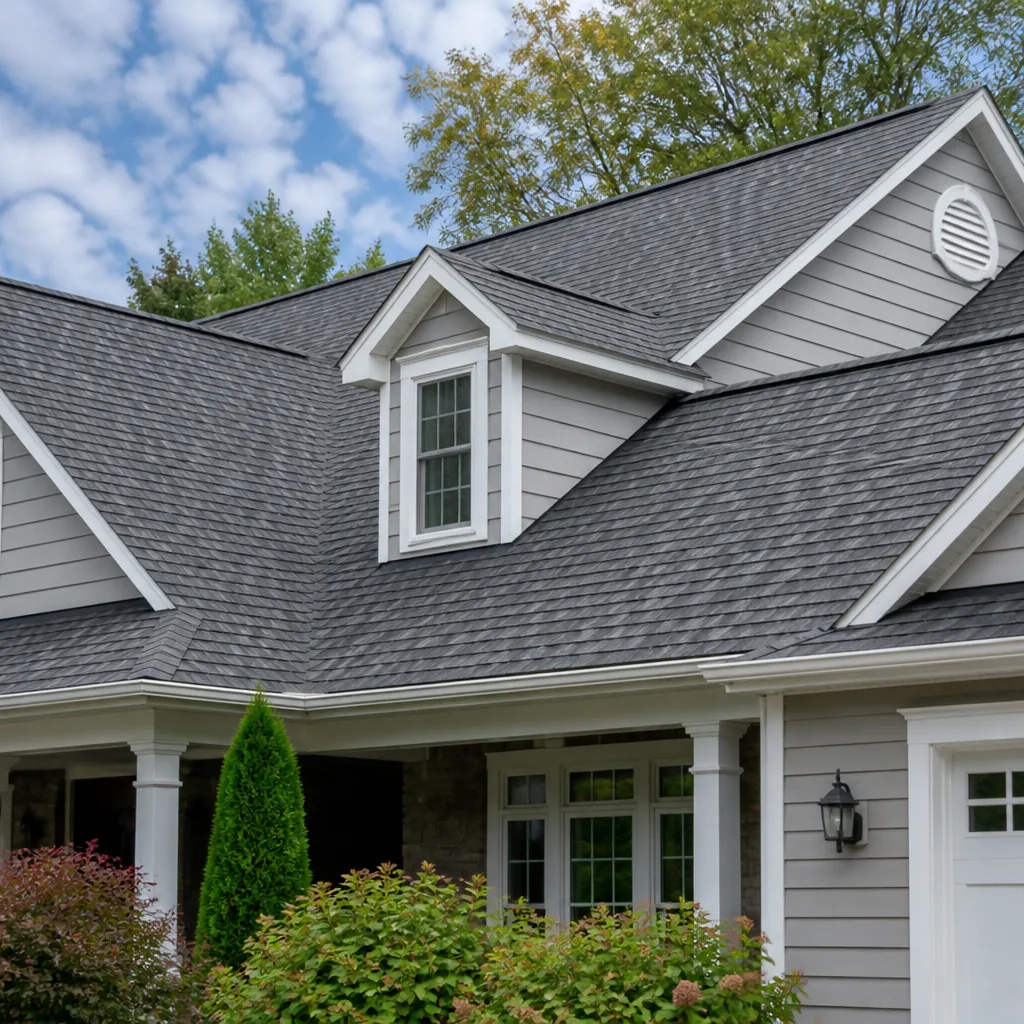 Architectural shingles
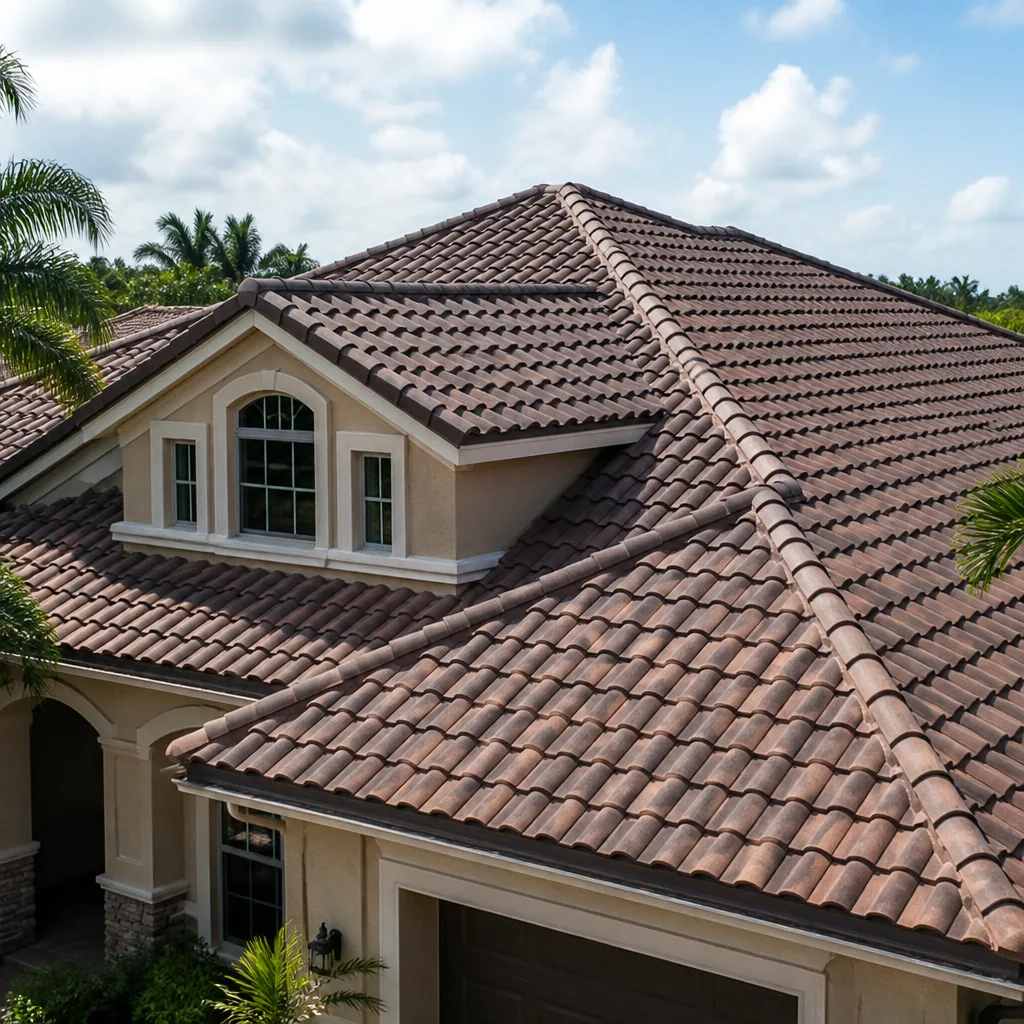 Tile roofing
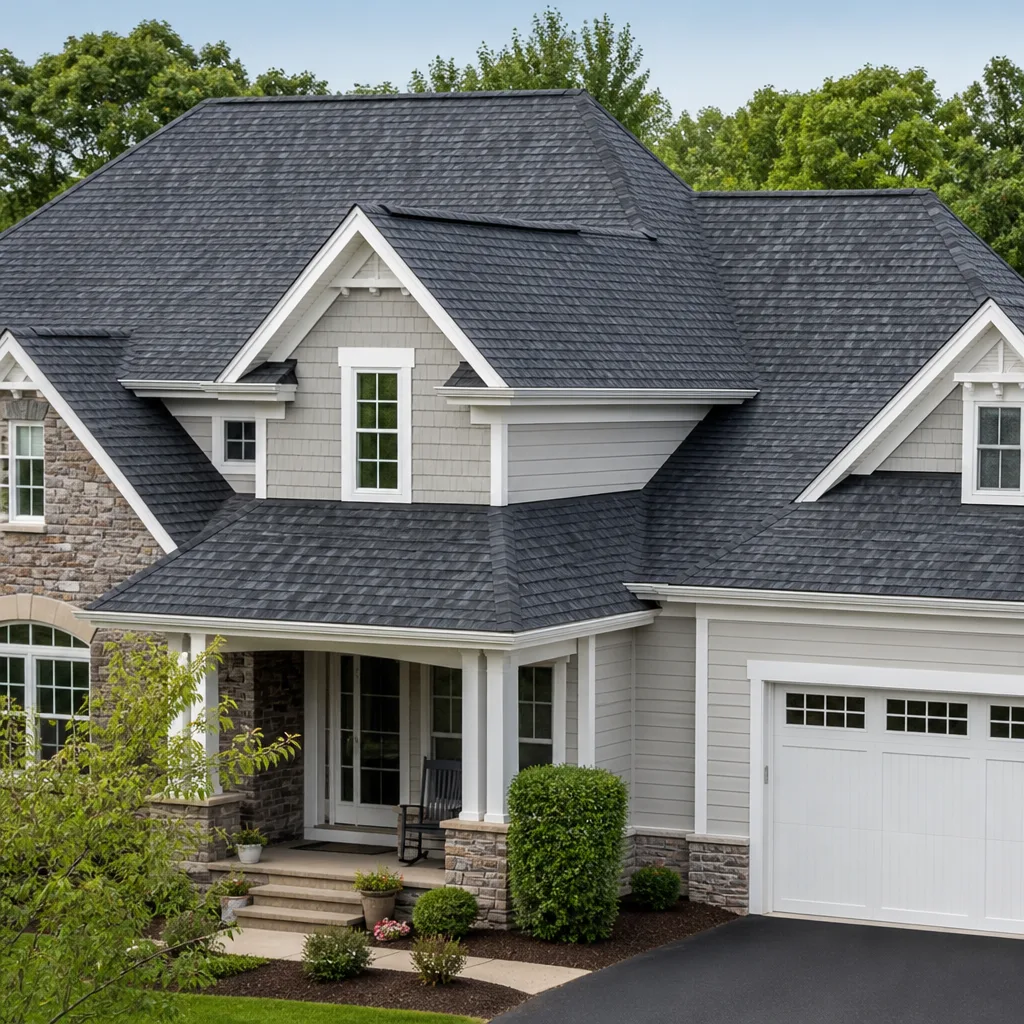 GAF
GAF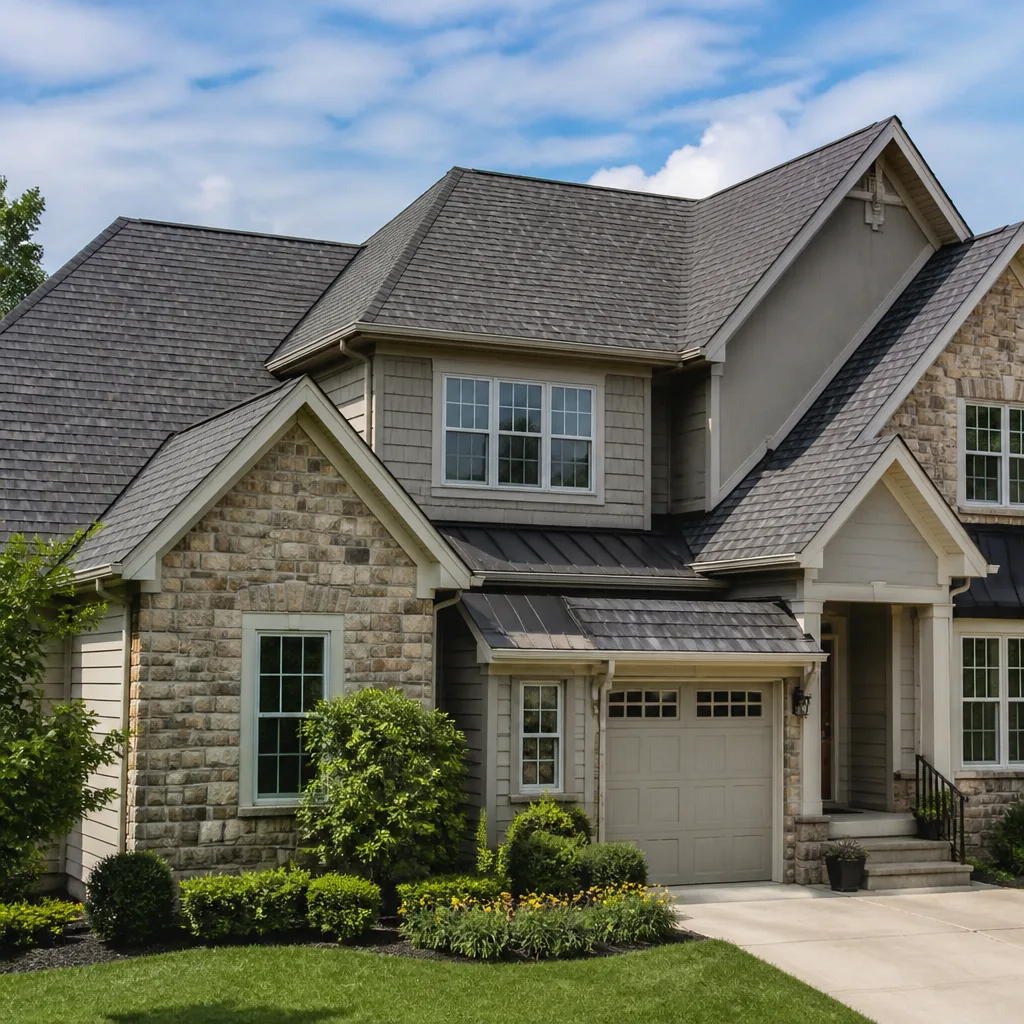 Owens Corning
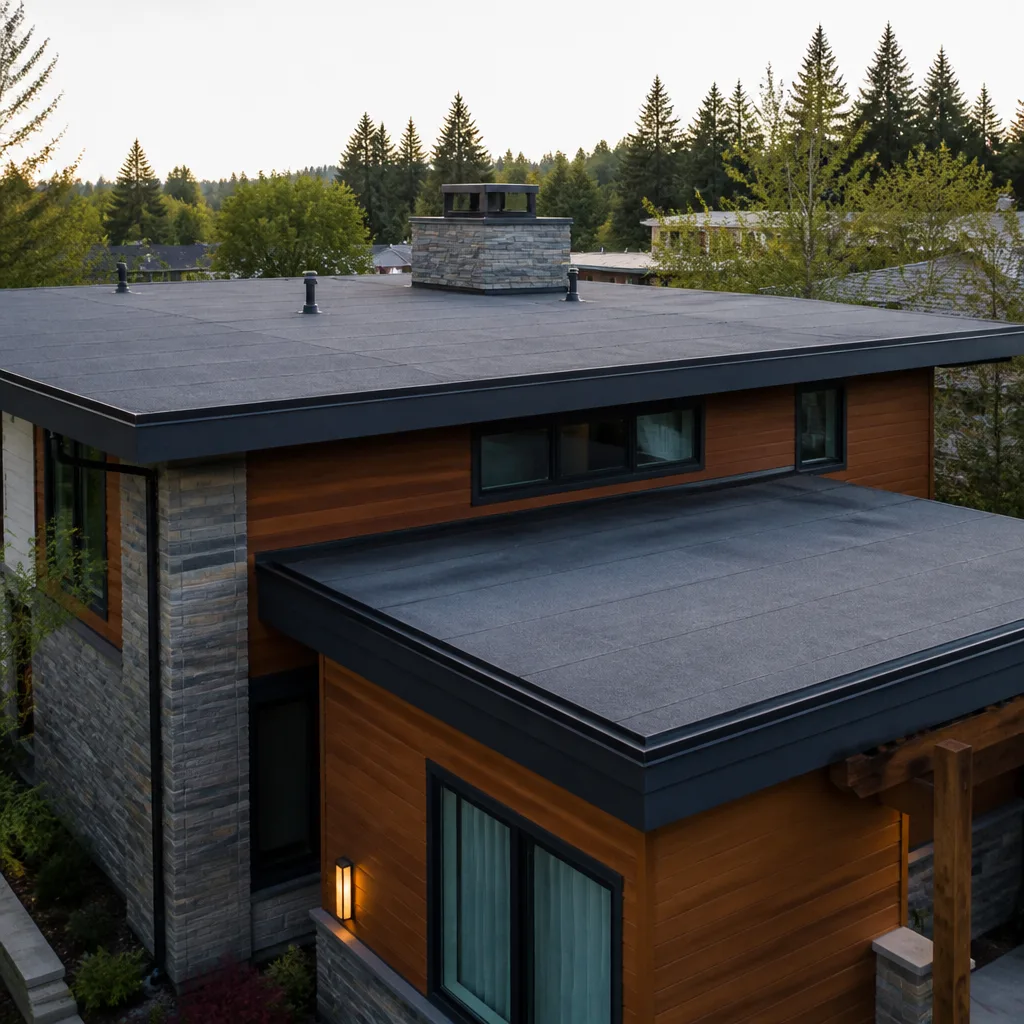 Flat & low-slope
Free roof inspection with deck photos before we talk money - GAF and Owens Corning certified installation
Atlas Ridge Vent Installation: The Fort Lauderdale Owner’s Guide
Atlas ridge vent installation in Fort Lauderdale typically runs $14 to $22 per linear foot installed, with most homes landing between $550 and $1,100 for a full vent replacement. We stock Atlas-compatible ridge vent and flashings on our trucks and can usually swap a failed vent the same day we inspect it. Homeowners usually discover the problem one of two ways: either they see granule-heavy water streaks in the attic after a hard South Florida downpour, or a storm peeled a section of vent loose and it’s flapping against the roof deck.
Ridge vent is the exhaust half of your attic ventilation system. It runs along the peak of the roof and lets hot, humid air escape so your attic doesn’t bake at 140 degrees in August. When it fails, the damage doesn’t announce itself loudly at first. Then the attic heat climbs, the AC works harder, and moisture starts finding its way into places it shouldn’t be. So if you’re standing here because you already know the part failed, here’s the route from diagnosis to a fixed roof.
Key Takeaways
- We install Atlas-compatible ridge vent, not generic big-box rolls, and we stock the parts on the truck.
- Most Fort Lauderdale homes pay $550 to $1,100 installed, depending on ridge length and access.
- Every install is covered by our 365-Day Done Right Promise, in writing, at no extra cost.
- You get a written price before any work starts. No scope creep, no end-of-job surprises.
Which Atlas Models This Applies To
Atlas makes ridge vent under the Atlas Roofing shingle line, and the compatibility question matters more than people assume. The vent itself is a rolled profile, usually in 20-foot lengths, and it’s designed to work with Atlas shingle systems, but the real compatibility point comes down to two things: the ridge cap shingle profile and the roof deck gap cut along the peak. If a previous roofer cut a gap wider than the vent’s baffle coverage, you get water intrusion even with a brand-new vent. We see exactly that on roughly one out of four older Fort Lauderdale re-roofs.
On the OEM-versus-aftermarket decision: Atlas machines their vent to sit tight under their own cap shingles, and as an independent service provider (we’re not affiliated with Atlas), we order direct from distributor stock so you’re getting the specified profile, not a thinner generic roll that collapses under South Florida heat cycles. The checkable gotcha is the nail flange width. Atlas vent flanges run wider than the off-the-shelf rolls at the home center, which means if you’ve had a handyman use generic material, the vent can lift at the edges and let wind-driven rain in. It’s one of the most common causes of “mystery” attic leaks we serve in Fort Lauderdale.
As far as alternatives, we also work with Owens Corning, GAF, and CertainTeed ridge vent systems, so if you’re mid-roof-decision and comparing, we can price more than one route honestly.
Styles & brands we work with
Signs Your Atlas Ridge Vent Installation Is Failing
- Water staining at the attic peak directly under the ridge line. This usually means the vent’s internal baffle has cracked or shifted and is no longer shedding rain outward. In Fort Lauderdale, a single afternoon thunderstorm can drive enough rain sideways to prove the failure.
- Rust or corrosion on visible vent fasteners. The salt-heavy air near the coast accelerates fastener corrosion faster than inland. Once fasteners go, the vent profile lifts like a cat’s back, and wind gets a purchase.
- Attic temperature that feels noticeably hotter than the rest of the house. Ridge vent is your attic’s main exhaust. If it’s clogged with old shingle adhesive or collapsed at the throat, heat stalls up there and pushes your AC run-times up.
- Granule-heavy runoff from the ridge onto the shingle face below. As the vent ages and the cap shingles above it start to break down due to trapped heat, you’ll see an unusually dark band of granules washing down from the peak.
- Visible gaps or daylight between the vent and the cap shingles. After a high-wind event, a corner of the vent can separate from the deck. If you can see the gap from the ground, it’s already pulling away from the seal.
See the difference
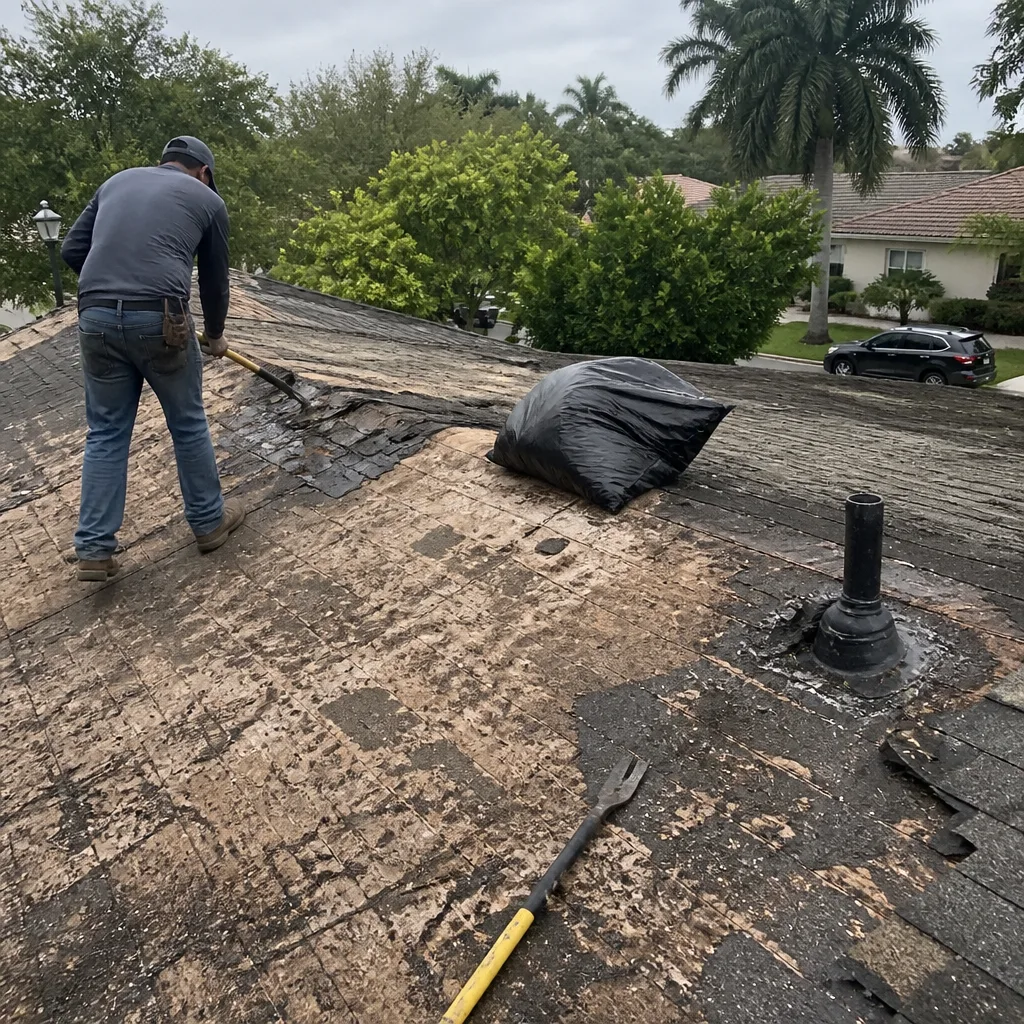 Before
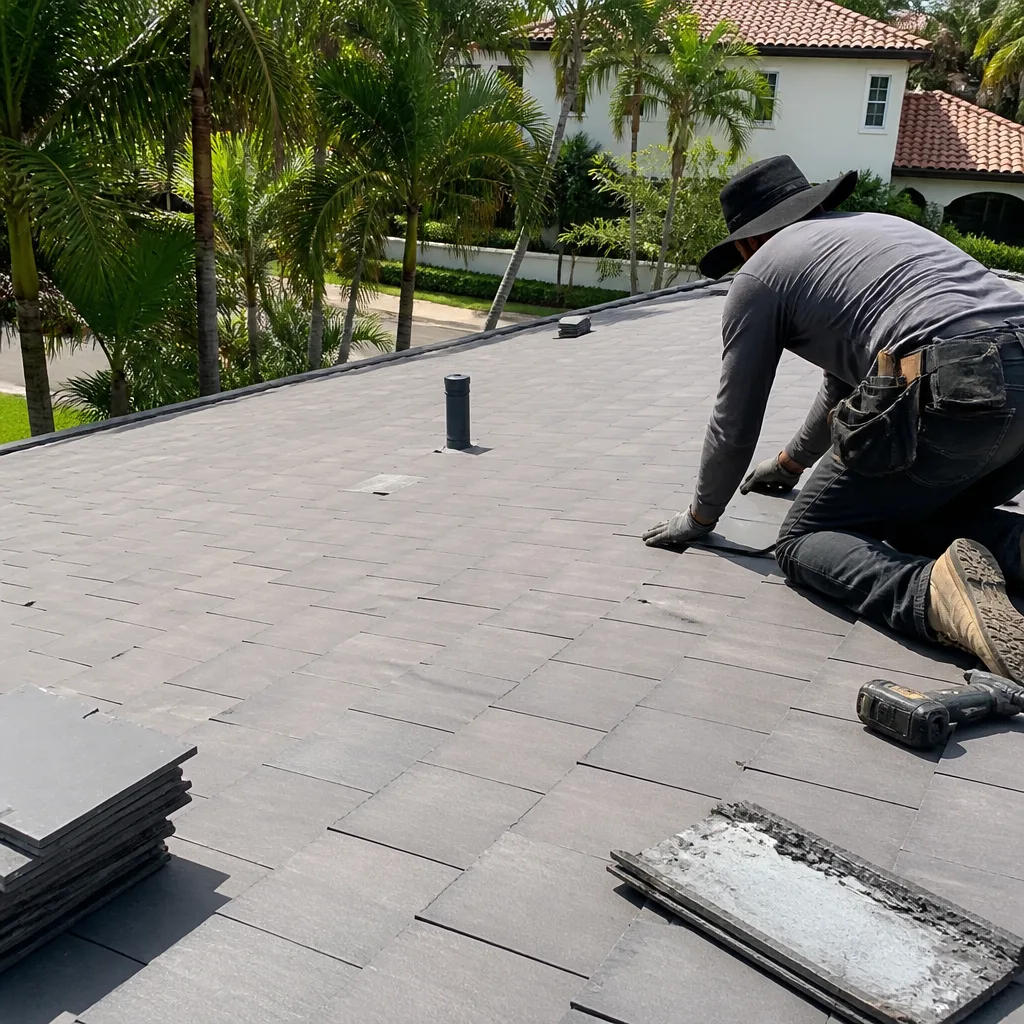 After
After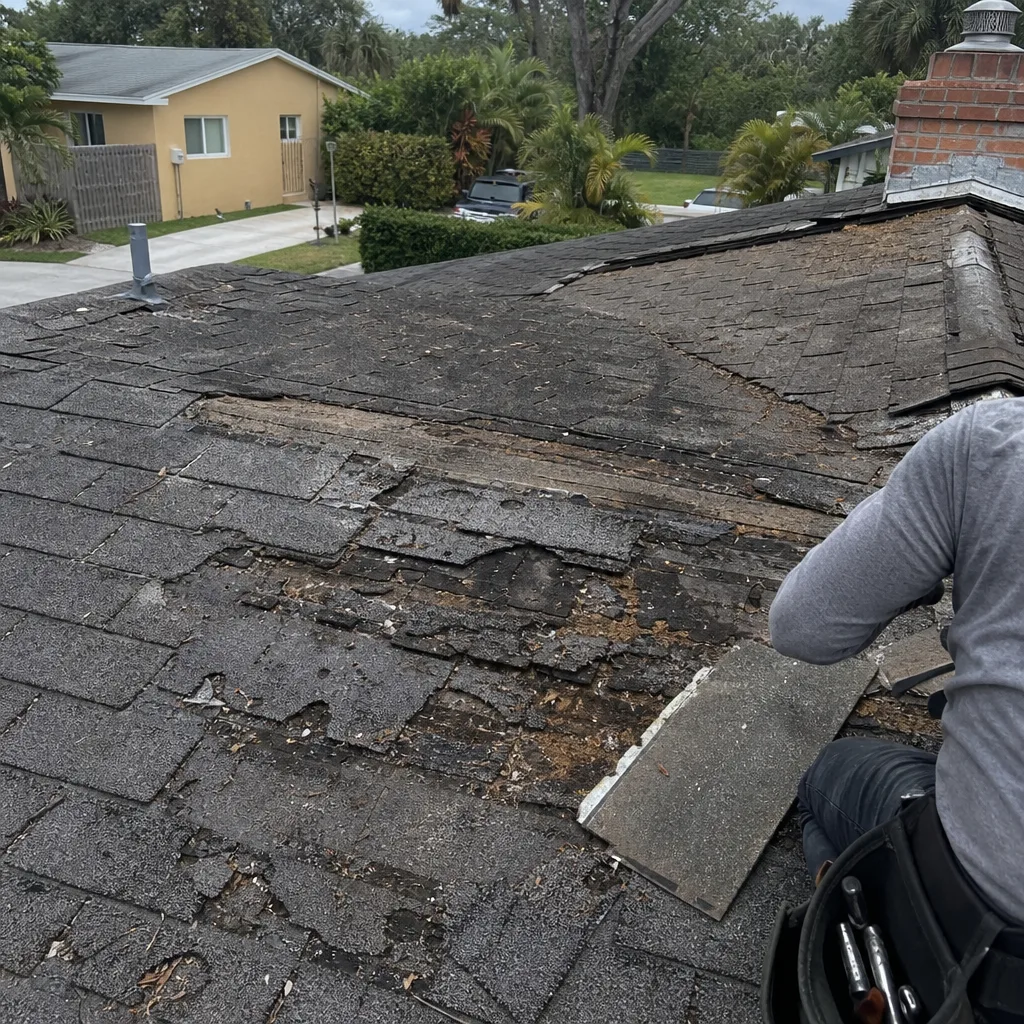 Before
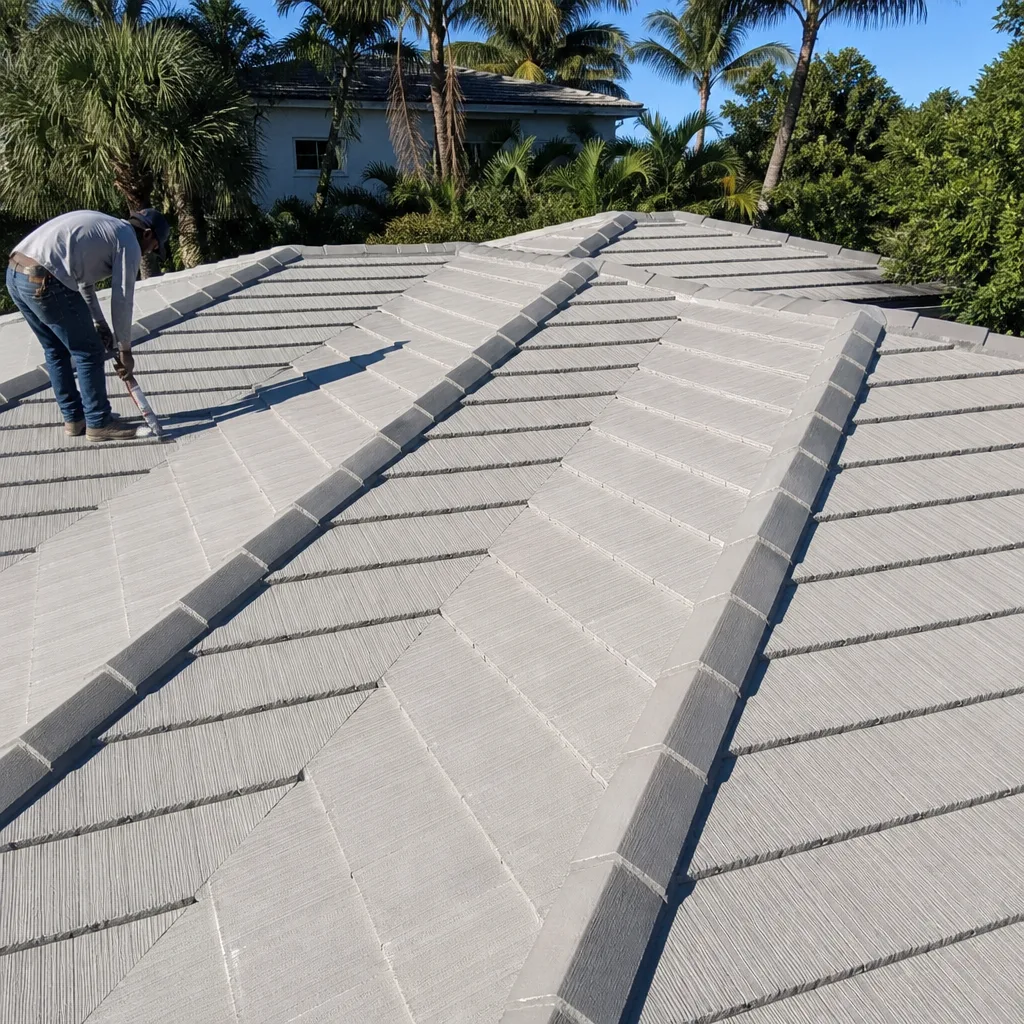 After
After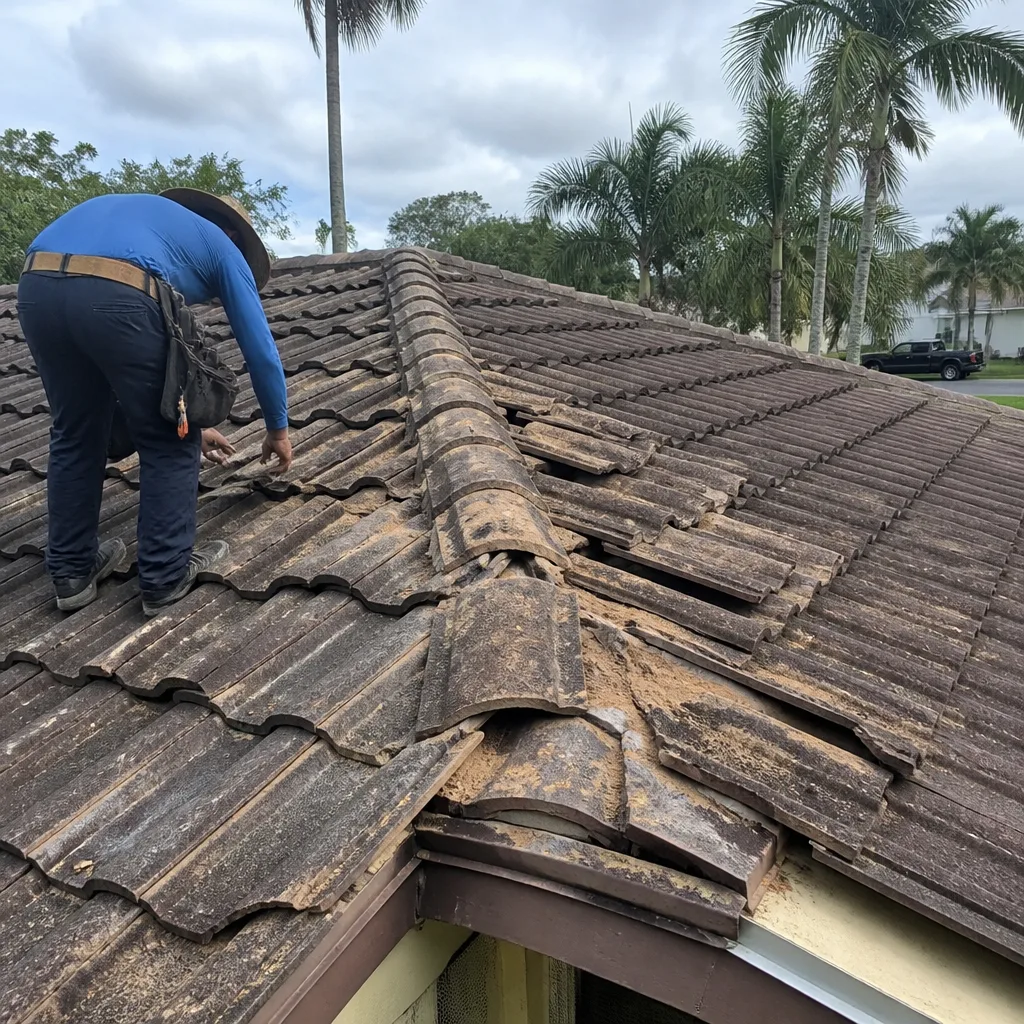 Before
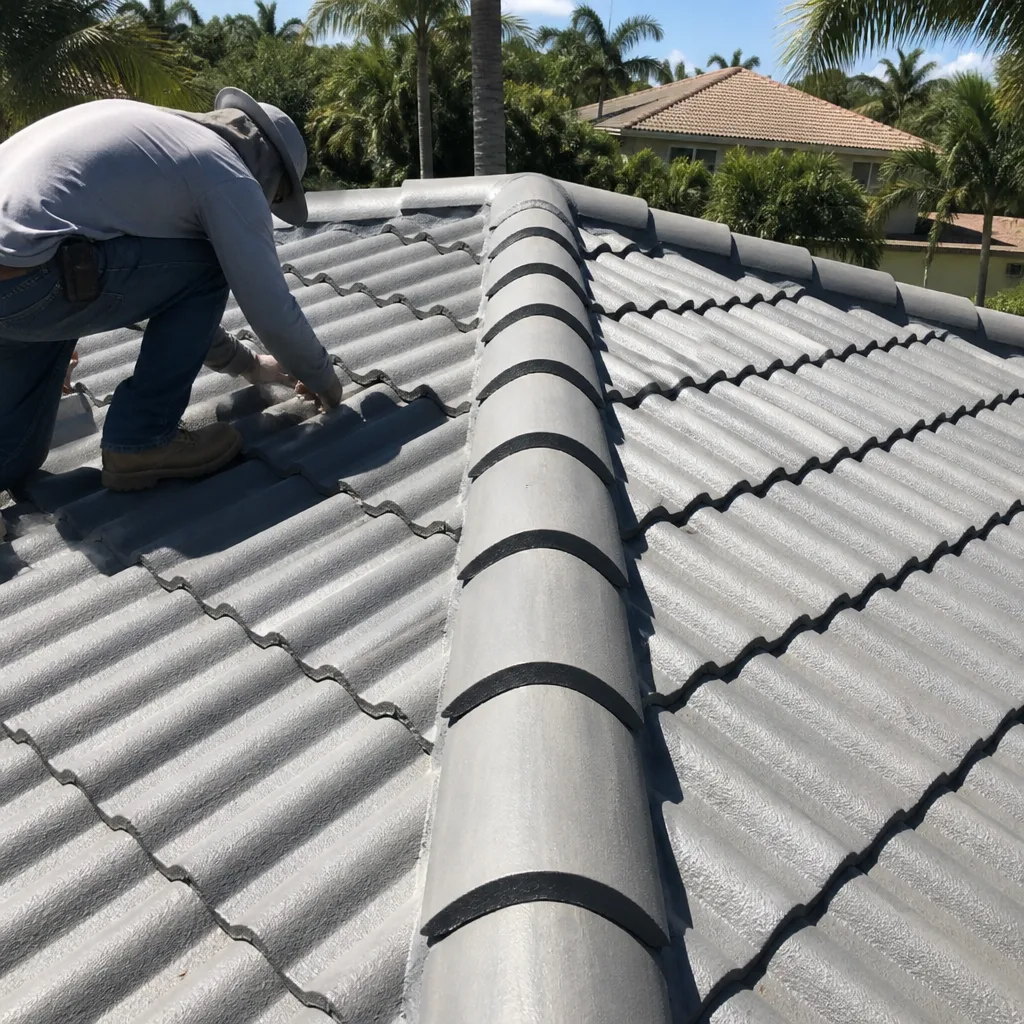 After
AfterReplacement Cost & What’s Included
A full Atlas ridge vent replacement in Fort Lauderdale runs $550 to $1,100 for a standard single-family home, which includes removing the old vent and fasteners, inspecting and re-sealing the roof deck gap, installing the new Atlas-compatible vent profile, and re-setting the cap shingles over the vent. Homes with longer ridge lines (3,000+ square feet or complex hip intersections) land at the top of that range or slightly above. That’s parts and labor, all in, no surprise line items.
| Item | Typical Range | Notes |
|---|---|---|
| Atlas-compatible ridge vent (per linear foot installed) | $14 – $22 | Includes vent, fasteners, and cap shingle re-set |
| Most single-family ridge replacement (full job) | $550 – $1,100 | Typical Fort Lauderdale home, 30 – 50 linear feet |
| Deck gap re-cut or correction (if needed) | $3 – $6 per linear foot | Only if previous cut is over-width; we flag before starting |
You’ll get a written price before any work begins. That price is what you pay, even if the job runs long. And every ridge vent repair or replacement we install is covered by our 365-Day Done Right Promise: if it fails within a year, we come back and correct it at no charge.
DIY or Call Us?
The safe part to check yourself is visual: look for the gaps, the rusted fasteners, the daylight under the vent. You can also go into the attic early morning with a flashlight and check for water trails on the underside of the sheathing at the peak. What you should not DIY is the replacement itself. Ridge vent work means working at the roof’s highest point, and on a hot Florida afternoon the shingle surface holds heat that makes footing even more treacherous. It also means cutting the deck gap to the right width for the specific vent you’re installing: get it a quarter inch too wide and you’ve converted a vent into a rain funnel. Falls and water damage are the two most expensive afternoon projects we get called to fix. For the cost of the job, a uniformed crew with the right fall protection and the correct gap tooling is the better math. If you want to know what yours should cost, call (754) 354-8628 and we’ll give you a straight answer and a written estimate.
FAQs
Most Atlas ridge vents in our South Florida climate last 15 to 20 years before the baffle material or fasteners start to fail. That’s shorter than inland Florida because of the combination of UV intensity, salt air, and intense afternoon rain cycles. If your roof is 15 years old and the vent is original, it’s at replacement age.
Not usually. If the vent has lifted, torn, or corroded, the cost of patching it approaches the cost of replacing the section, and a patch never holds against the next wind-driven storm. We’ll tell you honestly if a section repair makes sense, but most of the time a clean replacement is the better value. Call (754) 354-8628 and we’ll inspect it and give you a written recommendation.
A standard Atlas ridge vent replacement takes half a day once we’re on site. That includes removing old material, correcting the deck gap if needed, installing the new vent, and resetting cap shingles. We schedule a live arrival time that you can track, and we send before-and-after photos so you can see the work from the ground.
Yes. Our Fort Lauderdale trucks carry Atlas-compatible ridge vent profiles and fasteners for standard residential ridge lengths. For unusually long or architecturally complex ridges, we order directly from distributor stock and typical turnaround is one to two business days.
Written by Dylan Pace, Owner, Crestview Roofing Co Fort Lauderdale at Crestview Roofing Co Fort Lauderdale, serving Fort Lauderdale and nearby areas.